
Anúncios
Voice-enabled artificial intelligence has fundamentally transformed how users interact with technology, establishing new paradigms for human-computer interaction through natural language processing and intelligent automation systems.


The Technical Architecture Behind Voice-Activated Intelligence 🔧
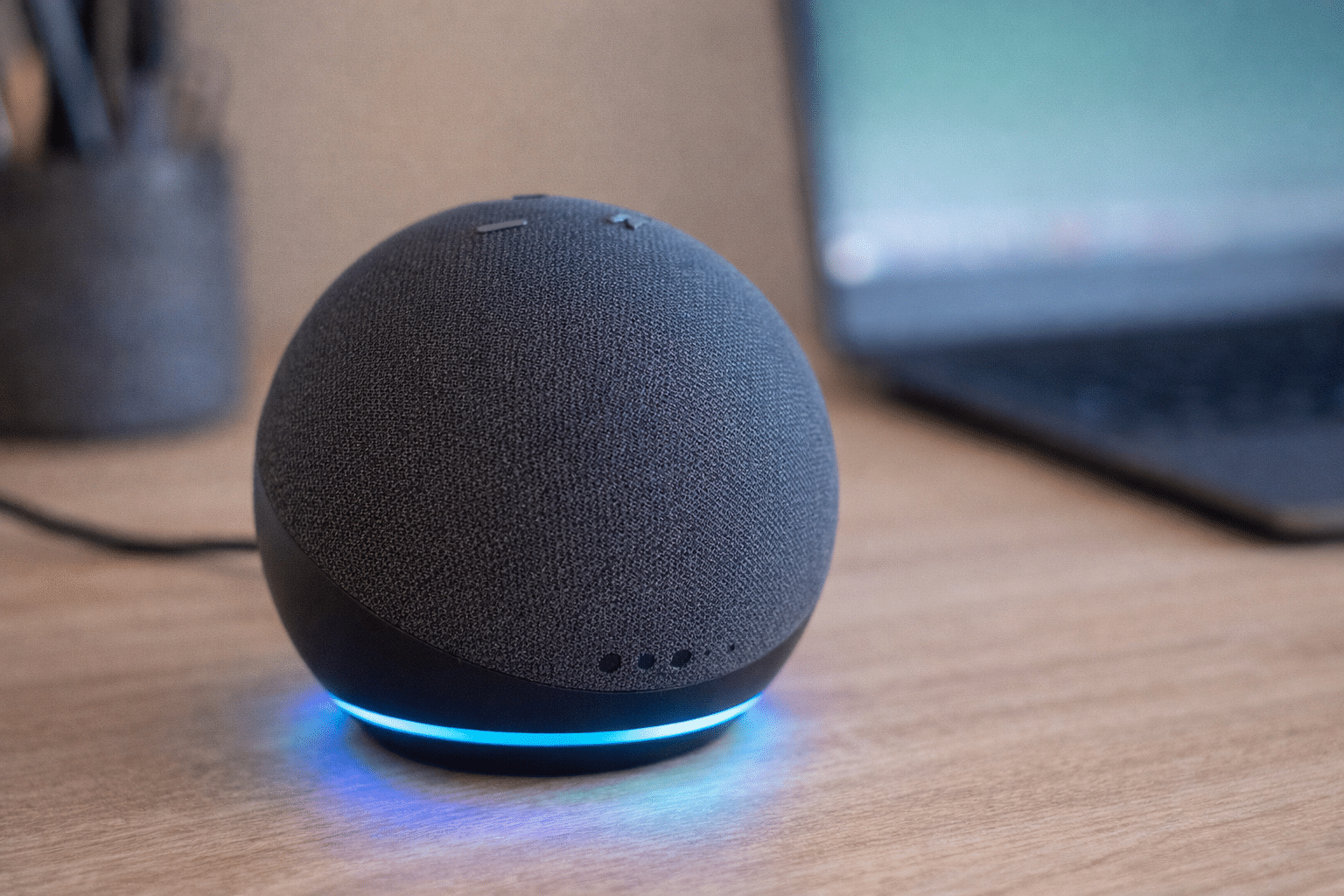
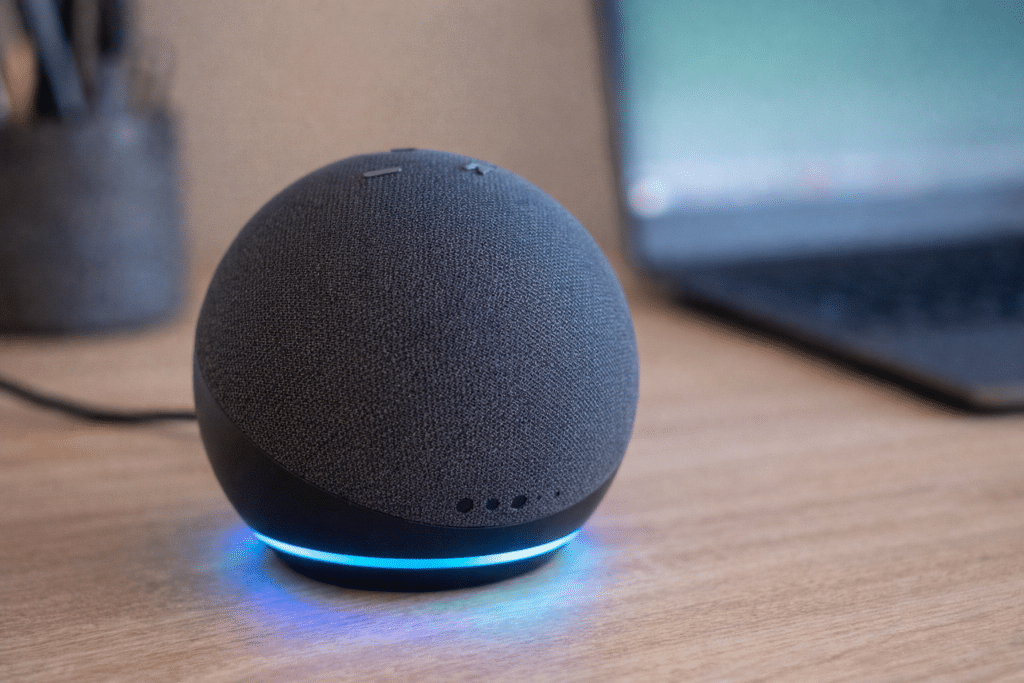
Amazon Alexa operates on a sophisticated cloud-based architecture that leverages automatic speech recognition (ASR) and natural language understanding (NLU) technologies. The system processes voice commands through multiple computational layers, beginning with acoustic signal capture via far-field microphone arrays equipped with beamforming capabilities and echo cancellation algorithms.
Anúncios
The speech recognition pipeline converts analog audio signals into digital data streams, applying noise reduction filters and voice activity detection mechanisms. Subsequently, the ASR engine transcribes phonemes into textual representations, while the NLU component parses semantic meaning from the transcribed input. This dual-processing approach enables accurate interpretation of user intent, even in acoustically challenging environments with ambient noise levels exceeding 60 decibels.
The backend infrastructure utilizes AWS services for scalable processing, with distributed computing nodes handling concurrent requests from millions of devices globally. Response latency typically ranges between 200-500 milliseconds, depending on network conditions and computational complexity of the requested operation.
Anúncios
Voice Command Architecture and Skill Development Framework
The Alexa Skills Kit (ASK) provides developers with comprehensive APIs and software development kits for creating custom voice applications. Skills represent modular capabilities that extend Alexa’s functionality, similar to mobile applications on smartphone platforms. The development framework supports multiple programming languages including Node.js, Python, and Java, with serverless deployment options through AWS Lambda functions.
Each skill comprises an interaction model defining invocation names, intents, slots, and sample utterances. The intent schema maps user requests to specific functions, while slots act as variables capturing parametric information from voice commands. Sample utterances train the NLU model to recognize diverse phrasings of identical requests, improving recognition accuracy through machine learning algorithms.
Backend logic processes validated intents and generates appropriate responses formatted as Speech Synthesis Markup Language (SSML) or plain text. The text-to-speech engine employs neural voice synthesis technology, producing natural-sounding audio output with contextually appropriate prosody and intonation patterns.
Smart Home Integration Protocols and Device Communication
Alexa implements multiple communication protocols for smart home device control, including Zigbee, Wi-Fi, Bluetooth, and proprietary protocols like Z-Wave through compatible hub devices. The Smart Home Skill API enables manufacturers to integrate their products with Alexa’s ecosystem, supporting standardized device categories such as lights, thermostats, locks, cameras, and sensors.
Device discovery operates through network scanning protocols and manufacturer-specific APIs. Once registered, devices appear in the Alexa app’s device management interface, where users configure names, locations, and group associations. Voice commands trigger state change requests transmitted through secure communication channels, typically utilizing TLS encryption and OAuth 2.0 authentication protocols.

The device control workflow begins with voice command interpretation, followed by intent resolution and device identification. The Alexa service transmits control messages to the target device’s cloud service or directly to local devices supporting LAN-based communication. Response verification ensures command execution, with status updates communicated back to the user through audio confirmation or visual feedback on Echo devices with displays.
Routine Automation: Programming Complex Behavioral Sequences 🤖
Alexa Routines represent conditional automation sequences triggered by voice commands, schedules, device states, or environmental conditions. The routine engine supports multi-action workflows combining device controls, information queries, skill invocations, and notification deliveries within single automated sequences.
Configuration parameters include trigger conditions, action sequences, and conditional logic statements. Triggers encompass voice phrases, scheduled times, alarm dismissals, device interactions, smart home sensor events, and location-based conditions utilizing smartphone GPS data. Action types span device state modifications, media playback, weather briefings, calendar announcements, custom skill invocations, and wait delays for sequential timing control.
Advanced implementations leverage conditional statements evaluating sensor data or device states before executing subsequent actions. For example, a morning routine might check outdoor temperature readings before adjusting thermostat settings accordingly, or verify calendar availability before initiating commute time calculations.
Voice Profile Recognition and Personalization Technologies
Voice profiling utilizes speaker recognition algorithms to distinguish between household members, enabling personalized responses based on individual user contexts. The enrollment process captures vocal characteristics including pitch, timbre, speaking rate, and phonetic patterns, generating unique voiceprints stored securely in encrypted cloud databases.
When processing commands, the system performs speaker identification by comparing acoustic features against registered voiceprints. Successful identification enables access to personal information like calendars, reminders, shopping lists, and music preferences. Privacy controls allow users to disable voice recognition or delete stored voiceprints through the companion application’s security settings.
Multimedia Capabilities and Content Streaming Integration 🎵
Alexa supports extensive multimedia functionality through integrations with streaming services, broadcast content providers, and local media libraries. Audio processing capabilities include multi-room synchronization, stereo pairing, and adaptive volume control adjusting output levels based on ambient noise detection.
Music streaming integration encompasses services like Amazon Music, Spotify, Apple Music, and others through standardized APIs. Voice commands support complex queries including genre preferences, mood-based selections, artist requests, and playlist management. The recommendation engine employs collaborative filtering algorithms analyzing listening history to suggest relevant content.
Video playback on Echo Show devices utilizes adaptive bitrate streaming protocols optimizing quality based on available bandwidth. Integration with services like Prime Video, Netflix, and YouTube enables voice-controlled content discovery and playback control, with natural language queries for title searches and genre browsing.
Communication Features and Intercom Functionality
The Alexa Communication protocol enables voice and video calling between Echo devices and the mobile application. The system supports peer-to-peer calls using VoIP technology, announcements broadcasting messages to multiple devices simultaneously, and drop-in functionality for instant communication with authorized contacts.
Implementation utilizes Session Initiation Protocol (SIP) for call establishment and Real-time Transport Protocol (RTP) for media streaming. Audio codecs include Opus for voice transmission, providing low-latency communication with bandwidth adaptive bitrate encoding. Video calls employ H.264 compression with resolution scaling based on network conditions.
Information Retrieval and Knowledge Graph Integration 📊
Alexa’s question-answering capabilities leverage knowledge graphs aggregating structured data from multiple sources including Wikipedia, IMDb, Yelp, and proprietary Amazon databases. Natural language queries trigger entity recognition algorithms identifying subjects, predicates, and objects within user requests.
The knowledge retrieval system employs semantic search techniques matching query intent against indexed information. Response generation selects relevant data points and formats them into conversational responses, with contextual awareness maintaining topic continuity across multi-turn conversations.
Real-time information queries access external APIs for dynamic data including weather forecasts, traffic conditions, sports scores, and stock prices. Caching mechanisms store frequently requested information reducing API call volumes and improving response latency.
Shopping and Transaction Processing Capabilities
Voice commerce functionality enables product searches, price comparisons, order placement, and delivery tracking through natural language commands. The shopping system integrates with Amazon’s e-commerce platform, accessing product catalogs, customer purchase history, and recommendation algorithms.
Transaction security implements voice purchase confirmation requiring explicit user authorization before completing orders. Payment processing utilizes stored payment methods from Amazon accounts, with PCI DSS compliant handling of sensitive financial data. Order verification messages provide itemized details before final confirmation, preventing accidental purchases.
Privacy Architecture and Data Protection Mechanisms 🔒
Alexa implements multi-layered privacy controls addressing data collection, storage, and usage concerns. Audio recordings are encrypted during transmission and storage, with access restricted through authentication protocols and role-based permissions. Users can review, delete, or disable audio recording storage through privacy settings in the companion application.
The wake word detection operates locally on device hardware, with audio streaming to cloud services initiated only after activation phrase recognition. This architectural approach minimizes continuous audio transmission, addressing privacy concerns regarding persistent listening capabilities.
Data retention policies allow users to configure automatic deletion schedules for voice recordings, ranging from three months to eighteen months, or continuous storage until manual deletion. Transparency features enable voice history review, displaying timestamps, transcriptions, and associated actions for each interaction.
Accessibility Features and Inclusive Design Considerations
Voice interfaces inherently provide accessibility benefits for users with visual impairments, mobility limitations, or reading difficulties. Alexa includes specific accessibility features like screen reader support, visual alerts for audio notifications, and simplified interaction modes for users with cognitive disabilities.
Tap-to-Alexa functionality enables interaction through customizable visual buttons for users with speech impairments. Caption displays on screen-equipped devices provide text representation of responses for hearing-impaired users. Voice speed adjustments and volume normalization accommodate diverse user preferences and requirements.
Enterprise Applications and Business Integration Opportunities 💼
Alexa for Business extends consumer voice technology to workplace environments, enabling conference room management, task automation, and information access through voice interfaces. Enterprise deployments leverage centralized device management, private skill development, and integration with business systems like calendaring platforms, CRM databases, and project management tools.
Custom skill development for corporate applications addresses specific business processes, from inventory queries to customer service automation. API integrations connect Alexa with proprietary systems, enabling voice-activated data retrieval and workflow initiation. Security implementations include integration with enterprise authentication systems, network isolation, and audit logging for compliance requirements.
Performance Optimization and Troubleshooting Methodologies
Optimal Alexa performance requires attention to network configuration, device placement, and environmental factors. Wi-Fi connectivity should maintain signal strength above -60 dBm with bandwidth availability exceeding 1 Mbps for reliable operation. Device placement considerations include minimizing obstructions, avoiding reflective surfaces causing acoustic interference, and maintaining distance from electromagnetic interference sources.
Troubleshooting methodologies address common issues including wake word recognition failures, command misinterpretation, and connectivity problems. Network diagnostic procedures verify DNS resolution, port accessibility, and firewall configuration. Device reset procedures clear cached data and reinitialize system configurations when persistent issues occur.
Future Developments and Emerging Technologies 🚀
Ongoing development in natural language processing focuses on enhanced contextual understanding, emotion recognition, and multi-lingual conversation support. Machine learning improvements aim to reduce command misinterpretation through larger training datasets and more sophisticated neural network architectures.
Edge computing implementations shift processing from cloud infrastructure to local device hardware, reducing latency and enabling offline functionality. Enhanced privacy features include on-device speech recognition and local skill processing, minimizing data transmission to remote servers.
Integration with emerging technologies like augmented reality, ambient intelligence, and proactive assistance systems promises expanded capabilities. Predictive automation will anticipate user needs based on behavioral patterns, initiating actions without explicit commands while maintaining user control and transparency.
The convergence of voice interfaces with other interaction modalities creates multimodal experiences combining speech, touch, gesture, and visual elements. This holistic approach to human-computer interaction establishes voice as a foundational component within comprehensive smart environment ecosystems, fundamentally transforming daily routines through intelligent automation and seamless technology integration.
