
Anúncios
Voice-controlled home automation through Amazon Alexa represents a paradigm shift in residential technology integration, enabling seamless interaction with smart home ecosystems through natural language processing and cloud-based command execution.


Understanding the Alexa Voice Service Architecture 🔧
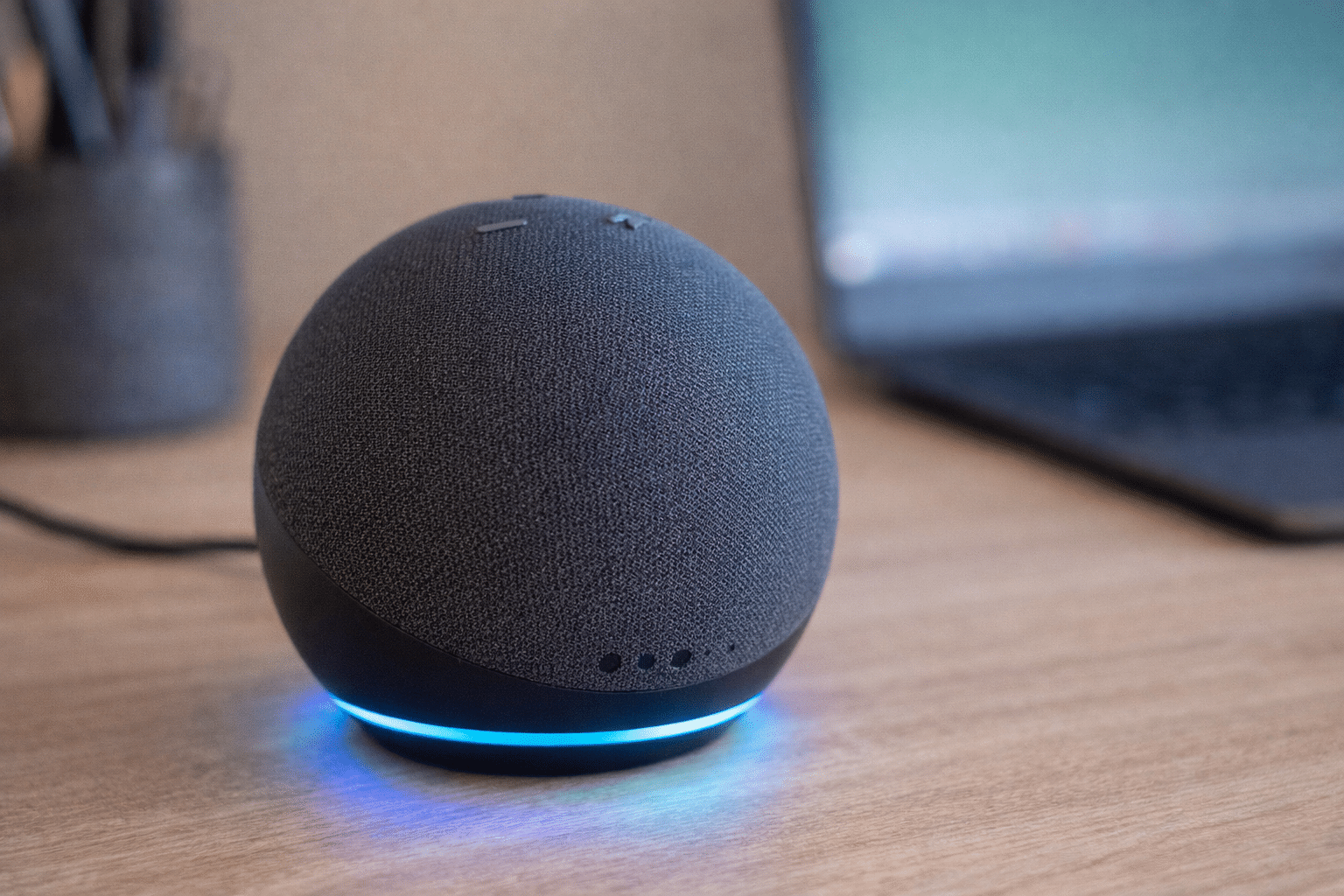
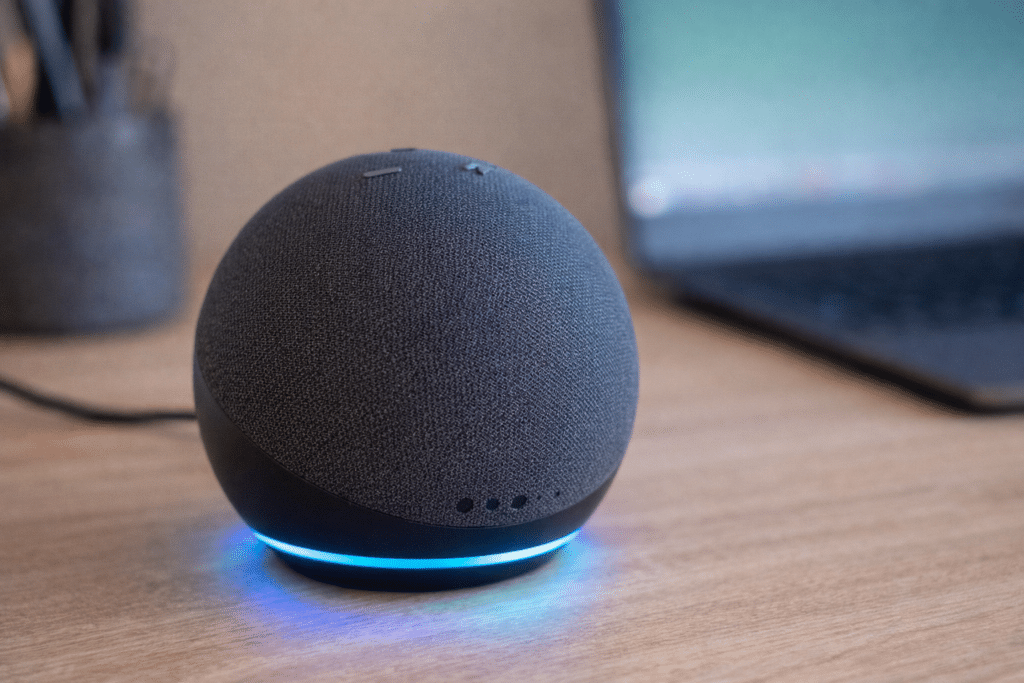
Amazon Alexa operates on a sophisticated cloud-based architecture that leverages automatic speech recognition (ASR) and natural language understanding (NLU) to process voice commands. The system employs far-field voice recognition technology, utilizing an array of microphones with beam-forming capabilities to isolate voice input from ambient noise. When a user invokes the wake word “Alexa,” the device establishes a secure connection to Amazon Web Services (AWS), where the audio stream undergoes real-time processing through neural network models trained on millions of voice samples.
Anúncios
The technical infrastructure supporting Alexa consists of multiple layers: the edge computing layer residing in the Echo device itself, which handles wake word detection and initial audio processing; the cloud processing layer where complex computational tasks occur; and the skills layer, which functions analogously to APIs, enabling third-party integration. This distributed architecture ensures low latency response times, typically under 1.5 seconds from command initiation to execution acknowledgment.
Essential Voice Commands for Smart Home Integration
Implementing effective voice control requires understanding the command syntax and capabilities of the Alexa ecosystem. The platform supports various command structures, from simple imperative statements to complex conditional routines. Device discovery occurs through the Alexa application, which scans the local network using protocols such as Zigbee, Z-Wave, or Wi-Fi to identify compatible smart home devices.
Anúncios
Lighting Control and Scene Management 💡
Smart lighting control represents one of the most frequently utilized applications of voice automation. Alexa supports granular control over connected lighting systems, including intensity modulation, color temperature adjustment, and multi-device synchronization. Commands can specify individual devices, grouped collections, or entire rooms configured within the application hierarchy.
Technical implementation of lighting commands involves several parameters: device identifier, action verb, and optional modifiers. For instance, the command “Alexa, set the living room lights to 50 percent” invokes the dimming function with precise intensity control. Advanced implementations support RGB color specification, either through common color names or HSL (Hue, Saturation, Lightness) values for systems that support extended color gamuts.
Scene management extends beyond simple on-off control, enabling predefined configurations that activate multiple devices simultaneously. These scenes can incorporate timing parameters, transitional effects, and conditional logic based on environmental sensors or time-of-day parameters.

Climate Control and HVAC Integration 🌡️
Thermostat integration with Alexa enables precise environmental control through voice commands. Compatible systems such as Nest, Ecobee, and Honeywell thermostats communicate via cloud APIs, translating voice instructions into HVAC control signals. The command structure supports absolute temperature setpoints, relative adjustments, and mode switching between heating, cooling, and automatic operation.
Advanced climate control implementations incorporate occupancy detection, weather forecast integration, and machine learning algorithms that optimize energy consumption while maintaining comfort parameters. Voice commands can trigger these automated sequences or override them for immediate manual control. The system maintains historical data, enabling voice queries about energy consumption patterns and temperature trends.
Security System Voice Control Implementation 🔒
Integrating security systems with voice control requires careful consideration of authentication and authorization mechanisms. Alexa supports voice profile recognition to verify user identity before executing sensitive commands such as disarming security systems or unlocking smart locks. This biometric verification adds a critical security layer beyond the physical presence implied by voice interaction.
Smart lock commands typically require explicit verbal confirmation and PIN code entry through the companion mobile application. The protocol establishes a secure communication channel using TLS encryption, ensuring that commands cannot be intercepted or replayed by unauthorized parties. Camera systems integrate through similar secure channels, enabling voice-activated video streaming to compatible display devices.
Media Control and Entertainment System Integration 📺
Voice control of entertainment systems represents a significant use case for Alexa-enabled automation. The platform integrates with streaming services, traditional broadcast systems, and physical media players through various protocols including HDMI-CEC, IP control, and proprietary APIs. Command parsing distinguishes between content selection, playback control, and system navigation.
Multi-room audio synchronization enables coordinated playback across multiple Echo devices or third-party speakers supporting the Alexa Connect Kit. The system employs network time protocol (NTP) synchronization to maintain phase coherence across distributed audio endpoints, ensuring seamless acoustic integration. Voice commands can specify target zones, volume levels, and audio sources with natural language constructs.
Advanced Audio Routing and Signal Processing
Professional-grade implementations leverage Alexa’s API to control sophisticated audio distribution systems. Commands can route audio signals through matrix switchers, apply digital signal processing effects, and adjust equalization parameters. The voice interface abstracts complex technical operations behind intuitive natural language commands, making advanced audio engineering accessible to non-technical users.
Kitchen Automation and Appliance Control 🍳
Modern kitchen appliances increasingly incorporate voice control capabilities, ranging from simple on-off functions to complex recipe-guided cooking sequences. Smart ovens, coffee makers, and refrigerators expose control interfaces through Alexa skills, enabling voice-activated operation. The technical implementation varies by manufacturer but typically involves cloud-to-cloud communication between the appliance manufacturer’s servers and Amazon’s Alexa service.
Recipe integration represents an advanced application where Alexa guides users through cooking procedures with step-by-step voice instructions. The system can coordinate multiple appliances, setting appropriate temperatures and timing sequences based on recipe specifications. Some implementations include weight sensors and computer vision systems that provide feedback to optimize cooking parameters dynamically.
Routine Automation and Conditional Logic Programming
Alexa Routines function as programmable automation sequences that execute multiple actions in response to a single trigger. These triggers include voice commands, time schedules, device state changes, or location-based conditions detected through smartphone GPS data. The routine engine supports sequential and parallel action execution with configurable delays between steps.
Complex Conditional Logic Implementation
Advanced routine configuration employs conditional branching based on sensor inputs, time parameters, or external data sources accessed through APIs. For example, a morning routine might adjust behavior based on weather conditions, calendar appointments, or sleep quality data from wearable devices. This conditional logic transforms static automation into adaptive systems that respond intelligently to varying circumstances.
Technical implementation of routines utilizes a JSON-based configuration structure that defines triggers, conditions, and actions. Power users can access these configurations through the Alexa API, enabling programmatic routine creation and management. This approach facilitates version control, backup, and rapid deployment across multiple locations or devices.
Voice Shopping and Inventory Management 🛒
Alexa’s integration with Amazon’s e-commerce platform enables voice-activated shopping, from product search to order placement. The system maintains voice purchasing profiles with default payment methods and shipping addresses, streamlining the transaction process. Security measures include purchase confirmation requirements and spending limits configurable through parental controls or household management settings.
Inventory management extends beyond shopping to include pantry tracking, expiration date monitoring, and automated reordering based on consumption patterns. Smart refrigerators and pantry sensors integrate with Alexa to maintain real-time inventory databases, triggering voice notifications when items require replenishment. This closed-loop system reduces food waste and ensures adequate supply of essential items.
Accessibility Features and Assistive Technology Integration ♿
Voice control technology provides significant accessibility benefits for individuals with mobility limitations or visual impairments. Alexa’s hands-free operation model eliminates the need for physical device interaction, while screen reader integration supports users with visual disabilities. The platform supports customizable voice speed, volume, and verbosity settings to accommodate various accessibility requirements.
Advanced accessibility implementations include integration with wheelchair control systems, environmental control units, and augmentative communication devices. These integrations leverage the Alexa Voice Service API to create custom voice interfaces tailored to specific accessibility needs. The system’s natural language processing capabilities reduce cognitive load compared to traditional menu-driven interfaces, benefiting users with cognitive disabilities.
Network Architecture and Device Communication Protocols
Understanding the underlying network architecture proves essential for reliable smart home operation. Alexa-enabled devices communicate through various protocols, each with specific technical characteristics. Wi-Fi connectivity provides high bandwidth and extended range but consumes more power. Zigbee protocol offers low-power operation ideal for battery-powered sensors, while Bluetooth Low Energy (BLE) supports short-range device communication with minimal energy requirements.
Echo devices with integrated Zigbee hubs function as protocol bridges, translating voice commands into appropriate control signals for heterogeneous device ecosystems. This architecture reduces network complexity and eliminates the need for multiple dedicated hubs. Quality of Service (QoS) configuration on network routers ensures voice command traffic receives priority, minimizing latency during periods of high network utilization.
Troubleshooting Network Connectivity Issues
Common connectivity problems stem from network configuration errors, interference from neighboring wireless networks, or inadequate router capabilities. Diagnostic procedures include network scanning to identify channel congestion, signal strength measurements at device locations, and firmware verification to ensure compatibility. Advanced troubleshooting employs packet capture analysis to identify communication failures at the protocol level.
Privacy Considerations and Data Security Protocols 🔐
Voice-controlled systems necessarily process audio data, raising legitimate privacy concerns that require technical mitigation strategies. Alexa devices employ local wake word detection, transmitting audio to cloud servers only after activation. Users can review and delete voice recordings through the companion application or via voice command, exercising control over retained data.
Security implementations include end-to-end encryption for voice data transmission, secure boot processes preventing unauthorized firmware modification, and regular security updates addressing discovered vulnerabilities. Network segmentation strategies isolate smart home devices on dedicated VLANs, limiting potential attack surfaces. Two-factor authentication protects account access, while voice profile recognition adds biometric verification for sensitive operations.
Future Developments and Emerging Technologies 🚀
The trajectory of voice-controlled home automation points toward increased contextual awareness and predictive capabilities. Machine learning models will increasingly anticipate user needs based on behavioral patterns, environmental conditions, and external data sources. Edge computing implementations will shift more processing to local devices, reducing latency and enhancing privacy through decreased cloud dependency.
Integration with emerging technologies such as augmented reality interfaces, gesture recognition systems, and brain-computer interfaces will create multimodal interaction paradigms that complement voice control. These hybrid approaches will leverage the strengths of each interaction modality, creating more natural and efficient user experiences. Standardization efforts around protocols like Matter promise improved interoperability, reducing vendor lock-in and expanding device compatibility across ecosystems.
The evolution of natural language processing will enable more nuanced understanding of context, intent, and implicit requirements. Systems will transition from executing explicit commands to serving as proactive assistants that anticipate needs and suggest optimizations. This progression represents a fundamental shift from reactive automation to predictive intelligence that adapts continuously to user preferences and environmental dynamics.
