Anúncios
Learning to read and write is a powerful tool that transforms lives, and the best news is: it’s never too late to start. ✨
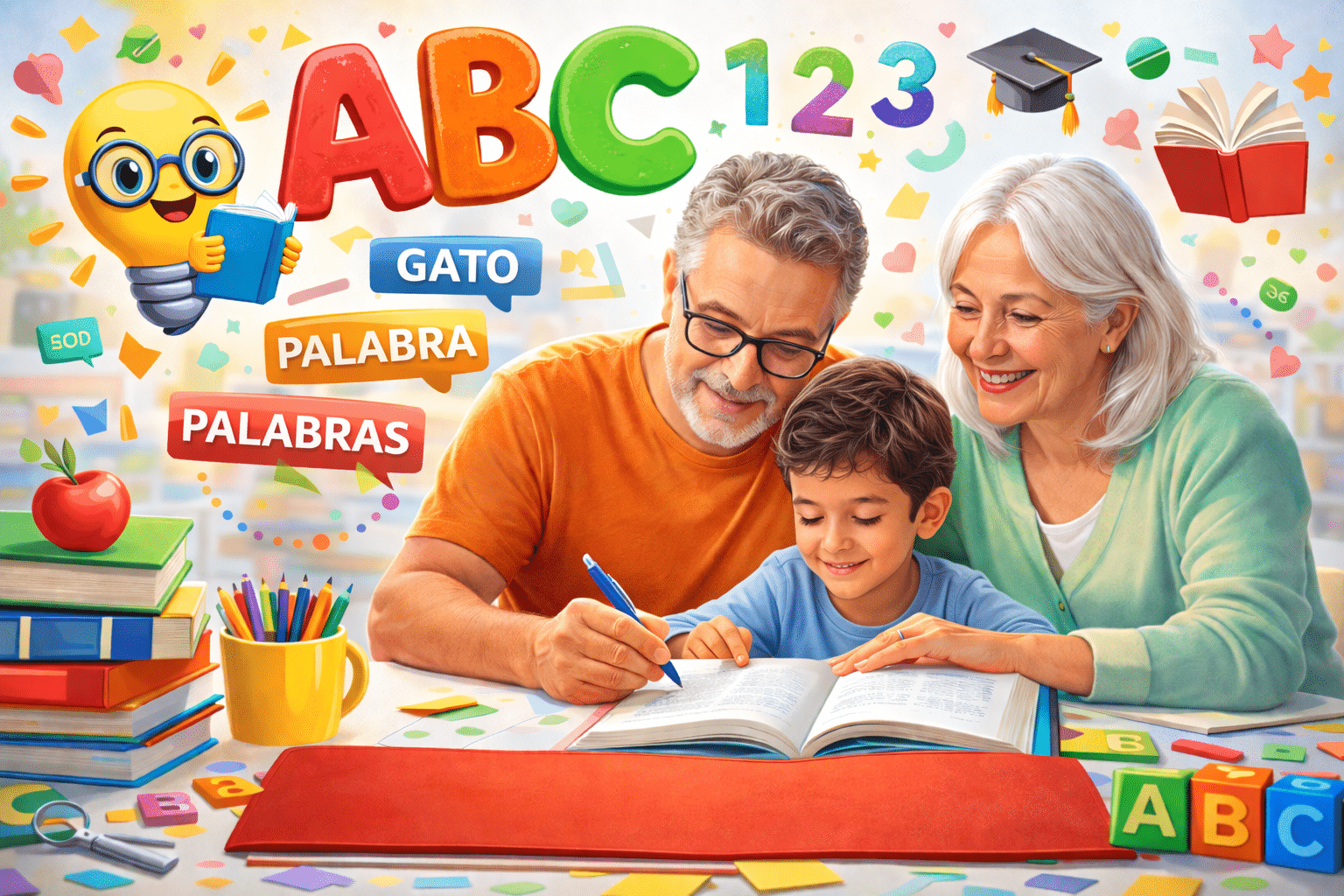
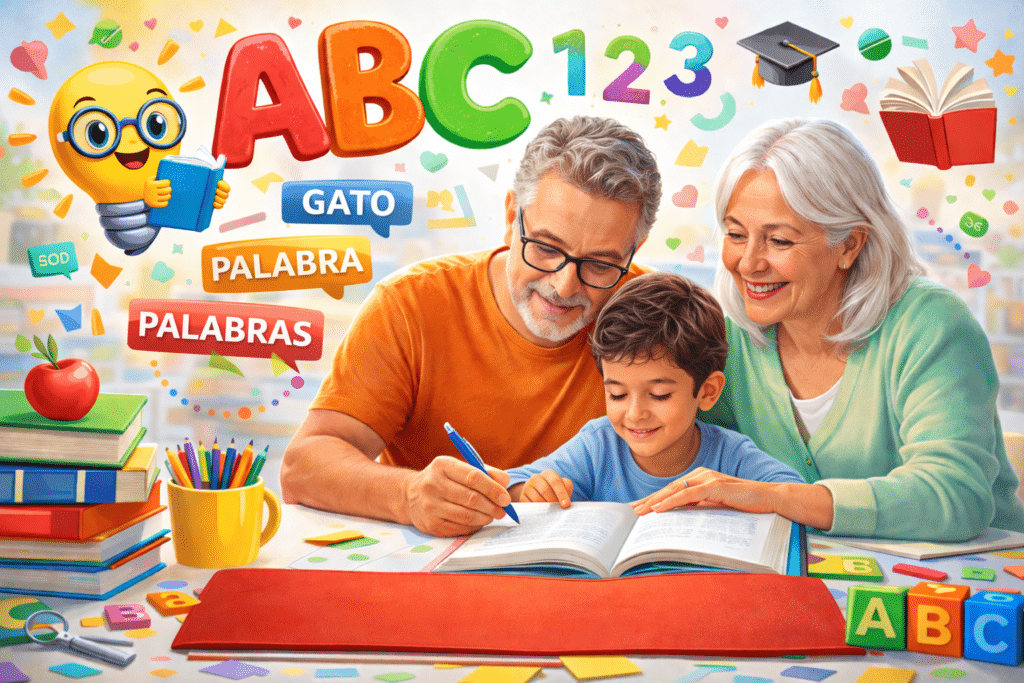
Literacy is more than just decoding letters and words on a page. It’s about gaining independence, opening doors to new opportunities, and connecting with the world in meaningful ways. Whether you’re five or seventy-five, the journey toward reading and writing begins with a single, courageous step: believing in yourself.
Anúncios
Many people hold themselves back from learning because they think they’ve missed their window of opportunity. But here’s the truth—learning has no expiration date. All it requires is willingness, determination, and the decision to begin right now. Today can be the first day of your new chapter.
🌟 Why Literacy Matters at Any Age

Literacy goes beyond academic achievement. It impacts nearly every aspect of daily life. From reading a prescription label to filling out a job application, from texting a loved one to navigating public transportation—these everyday tasks become easier and more empowering when you can read and write confidently.
Anúncios
For adults who never had the chance to learn as children, literacy represents freedom. It means no longer relying on others to interpret important documents. It means participating fully in society, accessing healthcare information, understanding legal rights, and even enjoying the simple pleasure of reading a book.
Children who learn early develop strong foundations for future academic success. But adults who learn later in life often bring unique advantages: life experience, motivation, and a clear understanding of why literacy matters. This combination can lead to rapid progress and deep appreciation for every new skill acquired.
🚀 Age Is Just a Number When It Comes to Learning
One of the most persistent myths about education is that learning becomes harder—or even impossible—as we age. Neuroscience has debunked this myth repeatedly. The adult brain remains remarkably plastic and capable of forming new neural connections throughout life.
In fact, older learners often demonstrate impressive dedication and focus. They understand the value of education because they’ve experienced life without it. This intrinsic motivation can be more powerful than any external reward system.
Consider these inspiring facts:
- Adults can learn new languages, skills, and concepts at any age
- Memory and cognitive function improve with mental exercise
- Learning new things has been linked to better brain health and reduced risk of cognitive decline
- Many successful people didn’t learn to read until adulthood
- Community literacy programs report high success rates among older students
The key ingredient isn’t youth—it’s willingness to try, persistence in the face of challenges, and belief in your own capacity to grow.
💪 Believing in Yourself: The First Step to Literacy
Before you pick up a pencil or open a book, you must first believe that you can learn. Self-doubt is one of the biggest barriers to adult literacy. Many people carry shame about their reading difficulties, which can create a paralyzing fear of failure.
But here’s what you need to remember: not knowing how to read or write doesn’t reflect your intelligence or worth. Many brilliant minds struggled with literacy for various reasons—lack of educational opportunities, learning disabilities that went undiagnosed, family circumstances, or systemic barriers.
Building self-belief starts with reframing your internal narrative:
- Replace “I can’t” with “I’m learning”
- Celebrate small victories along the way
- Remember that everyone starts as a beginner
- Focus on progress, not perfection
- Surround yourself with supportive people who encourage your growth
When you believe in your ability to learn, you unlock potential you didn’t know existed. That belief becomes the fuel that keeps you going when lessons feel challenging.
📚 Where to Begin Your Literacy Journey
Starting can feel overwhelming, but breaking the journey into manageable steps makes it achievable. The beauty of modern learning is that you have more resources and options than ever before.
First, assess where you are now. Can you recognize some letters? Do you understand basic sounds? Or are you starting completely from scratch? There’s no judgment here—only an honest starting point that helps you choose the right resources.
Next, consider your learning style. Some people thrive with visual aids and colorful materials. Others prefer auditory learning with songs and rhymes. Kinesthetic learners benefit from hands-on activities like tracing letters or building words with letter tiles.
Free and Accessible Learning Resources
You don’t need expensive courses to begin your literacy journey. Many excellent resources are available for free or at low cost:
- Local libraries: Most offer free literacy programs, tutoring, and beginner-friendly books
- Community centers: Many run adult education classes in comfortable, judgment-free environments
- Mobile apps: Interactive learning apps make practice fun and accessible from anywhere
- YouTube channels: Countless free video lessons teach phonics, reading, and writing basics
- Volunteer tutors: Organizations connect learners with patient, trained volunteers
- Workbooks: Affordable practice books provide structured lessons you can complete at your own pace
The best resource is the one you’ll actually use consistently. Choose something that fits your schedule, budget, and learning preferences.
⏰ Starting Right Now: No More Excuses
Procrastination is the enemy of progress. It’s easy to say “I’ll start tomorrow” or “I’ll wait until I have more time.” But tomorrow turns into next week, next month, next year—and before you know it, another year has passed without progress.
The perfect time to start doesn’t exist. Life will always be busy. There will always be distractions and competing priorities. The only moment you truly have is now.
Starting doesn’t require a grand gesture. You don’t need to clear your entire schedule or wait for ideal conditions. You simply need to take one small action today:
- Trace the letters of your name
- Practice writing the alphabet
- Read one simple sentence
- Download a literacy app and complete the first lesson
- Watch a five-minute phonics video
- Call a local library to ask about adult education programs
That single action creates momentum. Tomorrow, you take another small step. Then another. Before long, those tiny steps accumulate into real, measurable progress.
🎯 The Power of Willingness Over Natural Talent
Here’s a liberating truth: you don’t need to be naturally gifted to learn to read and write. Talent might give someone a head start, but willingness and consistent effort will always win the race.
Think about it—every fluent reader you know was once a non-reader. Every skilled writer once struggled to form their first letters. The difference between them and someone who never learned isn’t innate ability. It’s the willingness to keep trying.
Willingness looks like:
- Showing up to practice even when you’re tired
- Asking for help when you don’t understand something
- Making mistakes and trying again instead of giving up
- Dedicating even just 10-15 minutes daily to practice
- Staying patient with yourself during the learning process
Your willingness to learn is more valuable than any supposed natural ability. It’s the fuel that powers transformation.
🌈 Overcoming Common Obstacles to Adult Literacy
Let’s be honest—learning to read and write as an adult comes with unique challenges. Acknowledging these obstacles is the first step to overcoming them.
Time Constraints
Many adults juggle work, family responsibilities, and other commitments. Finding time to study feels impossible. The solution? Start extremely small. Even five minutes of daily practice creates progress. Practice during your commute, during lunch breaks, or before bed. Consistency matters more than duration.
Embarrassment or Shame
Many adults feel ashamed about their literacy struggles. This shame keeps them from seeking help. Remember: there’s no shame in learning. The only shame is in letting fear prevent your growth. Literacy programs understand this and create safe, supportive environments specifically designed to ease these concerns.
Learning Difficulties
Some adults struggle with undiagnosed learning disabilities like dyslexia. If traditional methods aren’t working, consider getting evaluated. Understanding how your brain processes information allows you to use strategies specifically designed for your learning style. Many successful readers have learning disabilities—they just found the right approach.
Lack of Support
Learning is easier with encouragement. If people in your life aren’t supportive, seek out communities that are. Online forums, literacy groups, and learning centers connect you with others on similar journeys. Their understanding and encouragement can make all the difference.
🏆 Celebrating Progress Along the Journey
Literacy isn’t a destination—it’s a journey with countless milestones worth celebrating. Don’t wait until you’re “finished” to feel proud. Recognize every achievement, no matter how small it seems:
- You recognized all the letters of the alphabet
- You sounded out your first word
- You read a complete sentence
- You wrote your name without help
- You read a simple book from beginning to end
- You filled out a form independently
- You sent your first text message
Each of these moments represents real progress. They prove that you’re capable, that your effort is working, and that continued practice will lead to even greater achievements.
Keep a learning journal where you record your victories. On difficult days, reading about how far you’ve come provides motivation to keep going.
🌍 The Ripple Effect of Your Literacy Journey
When you learn to read and write, you don’t just transform your own life—you create positive change that ripples outward to touch others.
Parents who become literate can help their children with homework, read bedtime stories, and model the value of education. This dramatically increases the likelihood that their children will succeed academically.
Literate community members can participate more fully in civic life—reading ballot information, understanding community issues, and advocating for positive change.
Your personal growth inspires others who face similar challenges. When people see you learning and improving, they think, “If they can do it, maybe I can too.” You become living proof that change is possible.
💻 Modern Tools That Make Learning Easier
Technology has revolutionized literacy education. Today’s learners have access to interactive tools that make practice engaging, provide immediate feedback, and adapt to individual learning speeds.
Literacy apps offer game-like experiences that make learning feel less like work and more like play. They use colorful graphics, rewarding sound effects, and progressive challenges that keep you motivated.
Many apps track your progress, showing you exactly how much you’ve improved over time. This visual representation of growth can be incredibly motivating during challenging phases.
Audiobook features help you connect printed words with their sounds, strengthening the relationship between reading and listening. Text-to-speech functions allow you to hear correct pronunciation while following along visually.
The privacy of learning on a smartphone or tablet also removes some of the embarrassment adults might feel about their literacy level. You can practice anywhere, anytime, without anyone else knowing.
🤝 Finding Your Learning Community
While independent study has value, learning alongside others creates accountability, encouragement, and shared joy in progress.
Look for adult literacy programs in your area. These programs understand the unique needs and concerns of adult learners. They employ patient, trained instructors who know how to teach reading in ways that respect your life experience and intelligence.
Online communities offer another avenue for connection. Forums and social media groups dedicated to adult literacy allow you to share struggles, celebrate victories, and exchange tips with people worldwide who understand your journey.
Consider finding a learning partner—someone at a similar level who also wants to improve. You can practice together, quiz each other, and provide mutual encouragement. Having someone to share the journey makes it less lonely and more enjoyable.
✨ Your Future Self Will Thank You
Imagine yourself six months from now. Picture the person who took that first step today and kept going, practicing consistently, believing in their capacity to learn.
That future is entirely possible. It’s waiting for you. But it requires making a choice today—the choice to believe in yourself, to embrace willingness over fear, and to begin right now.
You don’t need to know the entire path forward. You just need to take the first step. Then the next. Then the one after that. Each step builds on the previous one, creating a pathway from where you are now to where you want to be.
Age doesn’t determine your potential. Your past doesn’t limit your future. What matters is your willingness to try, to persist, to believe that you deserve the gift of literacy—because you absolutely do.
🚀 Take Action Today
Reading these words right now means you’re already interested in change. That interest is the seed from which transformation grows. But seeds need action to sprout.
Don’t let this be just another article you read and forget. Let it be the catalyst that finally moves you from thinking about learning to actually learning.
Right now, before you close this page, take one concrete action toward literacy:
- Search for adult literacy programs in your area and save the contact information
- Download a literacy app and complete the first lesson
- Get a notebook and practice writing the alphabet
- Tell someone you trust about your goal to improve your reading and writing
- Visit your local library and ask about beginner reading materials
That single action breaks the inertia. It transforms intention into reality. It proves to yourself that you’re serious about this change.
Remember: you don’t need to be perfect. You don’t need to learn everything at once. You just need to be willing to start, to keep going, and to believe in your own potential. The rest will follow naturally, one lesson, one word, one sentence at a time.
Your literacy journey begins now—not someday, not when conditions are perfect, but right now, in this moment. Believe in yourself, embrace your willingness to learn, and take that first step. You’ve got this! 🌟
