
Anúncios
More people than ever are discovering how Pilates at home can revolutionize their wellness journey without expensive equipment or gym memberships.


The pandemic fundamentally changed how we approach fitness, pushing millions to explore home workout alternatives. Pilates emerged as a clear winner, offering low-impact exercises that build strength, improve flexibility, and enhance mental clarity—all within the comfort of your living room.
Anúncios
Whether you’re a complete beginner or returning to fitness after a break, this comprehensive guide will show you exactly how to start your Pilates journey at home. You’ll discover essential tips, understand the remarkable benefits, and learn why so many people are making this practice a non-negotiable part of their daily routine.
🏠 Why Home Pilates Is Taking the Fitness World by Storm
The shift toward home-based Pilates isn’t just a temporary trend—it represents a fundamental change in how people prioritize their health. Unlike high-intensity workouts that require specialized equipment, Pilates adapts beautifully to home environments with minimal setup.
Anúncios
Recent surveys indicate that over 60% of new Pilates practitioners prefer home sessions over studio classes. The reasons are compelling: no commute time, complete privacy, flexible scheduling, and significant cost savings. A single studio class can cost $30-50, while practicing at home requires nothing more than a yoga mat and commitment.
The beauty of Pilates lies in its accessibility. You don’t need to be particularly flexible, strong, or athletic to begin. The exercises scale to your current fitness level, making it perfect for everyone from busy parents to office workers dealing with chronic back pain.
💪 Remarkable Benefits That Keep People Coming Back
Understanding the benefits of Pilates helps explain why it’s become such a powerful daily habit for millions worldwide. These aren’t superficial advantages—they represent genuine improvements in physical and mental wellbeing.
Core Strength That Transforms Your Posture
Pilates focuses intensely on core activation, targeting the deep abdominal muscles, lower back, hips, and glutes. Within just three weeks of consistent practice, most people notice improved posture and reduced lower back discomfort. Your core acts as the body’s powerhouse, and strengthening it creates a ripple effect throughout your entire physical structure.
Office workers particularly benefit from this aspect. Hours spent hunched over keyboards create postural imbalances that lead to chronic pain. A 15-minute Pilates session targeting core stability can counteract an entire day of sitting, realigning your spine and reducing muscle tension.
Flexibility Without the Strain
Unlike aggressive stretching routines that can cause injury, Pilates lengthens muscles through controlled, flowing movements. You’ll gradually increase your range of motion without forcing your body into uncomfortable positions. This gentle approach makes it ideal for older adults or anyone recovering from injuries.
Improved flexibility translates directly into better daily function. Simple activities like bending to tie shoes, reaching overhead cabinets, or playing with children become easier and more comfortable.
Mind-Body Connection and Stress Reduction
Pilates requires focused concentration—you can’t mindlessly go through the motions. This mindful movement acts as moving meditation, pulling your attention away from daily stressors and into the present moment. Many practitioners report that their Pilates session becomes the calmest, most centered part of their day.
The controlled breathing patterns integrated into Pilates exercises activate your parasympathetic nervous system, triggering relaxation responses. Regular practice can lower cortisol levels, improve sleep quality, and enhance overall mood stability.
Low-Impact Joint Protection
For anyone dealing with joint issues, arthritis, or past injuries, high-impact exercises create more problems than they solve. Pilates provides an effective workout without jarring movements or excessive joint stress. The exercises strengthen the muscles supporting your joints, actually improving joint health over time.
This makes Pilates sustainable for decades. Unlike running or intensive weightlifting, which can wear down joints over time, Pilates preserves and protects your body’s structural integrity.
🎯 Essential Tips for Starting Your Home Pilates Practice
Beginning any new fitness routine can feel overwhelming, but Pilates is refreshingly straightforward. These practical tips will help you establish a sustainable home practice that delivers real results.
Create Your Dedicated Space
You don’t need an entire room, but designating a specific area for your practice makes a significant psychological difference. Choose a quiet spot with enough room to lie down and extend your arms and legs fully. Clear away clutter, ensure good lighting, and if possible, position yourself near a window for natural light and fresh air.
Your space becomes a visual cue that triggers your practice habit. When you see your mat rolled out, you’re more likely to actually use it. Keep your area inviting and dedicated solely to movement and wellness.
Invest in Basic Equipment (But Don’t Overthink It)
Start with these essentials:
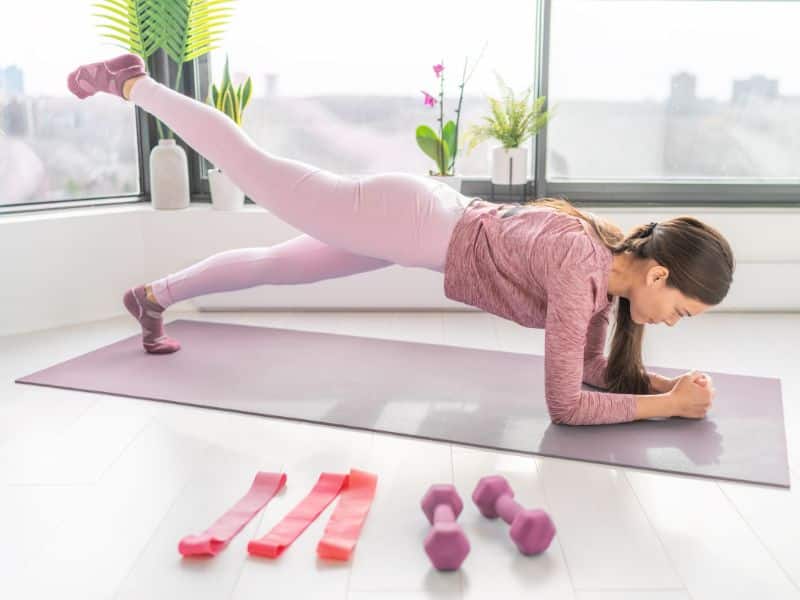
- Quality yoga mat: Choose one with adequate cushioning to protect your spine during floor exercises
- Comfortable clothing: Form-fitting enough to see your alignment, but not restrictive
- Optional resistance band: Adds variety after you master basic movements
- Small pillow or yoga block: Provides support for head and neck during certain exercises
Resist the temptation to buy expensive equipment before establishing your routine. The most effective Pilates workouts use nothing but your body weight and gravity.
Start With Foundational Movements
Master these core exercises before progressing to advanced variations:
- The Hundred: Builds endurance and warms up your entire body
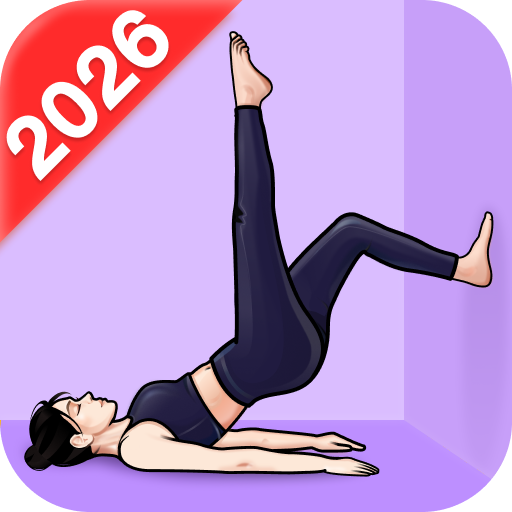
- Pelvic Curl: Strengthens glutes and lower back while teaching spinal articulation
- Single Leg Stretch: Develops core stability and coordination
- Spine Stretch Forward: Lengthens the spine and improves flexibility
- Side Leg Series: Targets hip stabilizers and improves balance
Quality always trumps quantity. Five perfectly executed exercises provide more benefit than twenty sloppy repetitions. Focus on precision, control, and proper breathing patterns.
Establish a Realistic Schedule
Consistency beats intensity every time. Rather than attempting hour-long sessions that you’ll abandon after a week, commit to just 15-20 minutes daily. This manageable commitment fits into even the busiest schedules and creates sustainable habits.
Many successful practitioners schedule their Pilates sessions at the same time each day, treating them as non-negotiable appointments. Morning sessions energize your day, while evening practices help release accumulated tension and improve sleep quality.
Use Quality Video Resources and Apps
The explosion of home fitness has produced countless Pilates resources. Look for instructors who emphasize proper form, offer modifications for different fitness levels, and explain the purpose behind each movement. Video instruction provides visual demonstrations that help you understand correct positioning and movement patterns.
Dedicated Pilates apps often include structured programs that gradually increase difficulty, tracking your progress and keeping you motivated. The convenience of having professional instruction available instantly removes common barriers to practice.
🌟 How Pilates Improves Your Everyday Life
The true measure of any fitness practice isn’t what happens during the workout—it’s how it transforms your daily experience. Pilates practitioners consistently report improvements that extend far beyond physical fitness.
Enhanced Energy Throughout the Day
Counterintuitively, expending energy through morning Pilates actually increases your overall energy levels. The improved circulation, deeper breathing, and endorphin release create sustained vitality that caffeinated beverages can’t match. You’ll notice less afternoon fatigue and more consistent mental clarity.
Better Sleep Patterns
Regular Pilates practice regulates your circadian rhythm and reduces the physical tension that interferes with restful sleep. The mindful movement calms an overactive mind, making it easier to transition from your busy day into peaceful rest. Many practitioners report falling asleep faster and experiencing fewer nighttime awakenings.
Reduced Chronic Pain
Whether you’re dealing with lower back discomfort, neck tension, or shoulder tightness, Pilates addresses the muscular imbalances and weaknesses that cause chronic pain. By strengthening supporting muscles and improving alignment, you’re treating the root cause rather than masking symptoms.
Physical therapists frequently recommend Pilates as part of rehabilitation programs because its gentle, controlled movements rebuild strength without aggravating existing injuries.
Increased Body Awareness
After practicing Pilates regularly, you’ll notice yourself automatically adjusting your posture throughout the day. You’ll sit taller at your desk, stand with better alignment while waiting in line, and move more efficiently during daily tasks. This unconscious body awareness prevents the repetitive strain that accumulates over time.
Confidence That Radiates Outward
Physical fitness directly impacts self-perception. As you grow stronger, more flexible, and more capable, that confidence extends into other life areas. Many practitioners report feeling more assertive at work, more present with family, and more willing to try new experiences.
🚀 Advanced Strategies for Deepening Your Practice
Once you’ve established a consistent foundation, these strategies will help you continue progressing and prevent plateaus.
Incorporate Progressive Overload
Gradually increase difficulty by adding repetitions, extending hold times, or trying more challenging variations. Your body adapts to consistent demands, so introducing new challenges ensures continued improvement. However, never sacrifice form for difficulty—perfect execution always takes priority.
Experiment With Different Styles
Classical Pilates follows Joseph Pilates’ original exercise sequence, while contemporary approaches incorporate modern understanding of biomechanics. Some practices emphasize rehabilitation, others athletic performance. Exploring different styles keeps your routine fresh and addresses various aspects of fitness.
Add Complementary Practices
Pilates pairs beautifully with walking, swimming, cycling, or strength training. The core stability and body awareness developed through Pilates enhances performance in virtually every other physical activity. Many athletes incorporate Pilates specifically to improve their primary sport.
Track Your Progress Meaningfully
Rather than obsessing over weight or appearance, measure improvements in how you feel and what you can do. Can you hold plank longer? Has your flexibility increased? Are daily activities easier? These functional improvements matter more than any number on a scale.
Take occasional photos or videos to objectively see changes in your posture and movement patterns. The gradual transformation often goes unnoticed day-to-day but becomes striking when compared over months.
💡 Common Mistakes to Avoid
Understanding what not to do is just as important as knowing proper technique. These common pitfalls derail many beginners.
Rushing Through Movements
Pilates rewards slow, controlled precision. Racing through exercises to complete more repetitions defeats the entire purpose. Each movement should be deliberate and mindful, with your full attention on proper form and muscle engagement.
Holding Your Breath
Proper breathing patterns aren’t optional—they’re central to Pilates effectiveness. The coordinated breath supports movement, protects your spine, and ensures adequate oxygen delivery to working muscles. Practice the breathing patterns until they become automatic.
Skipping the Basics
Advanced exercises look impressive, but attempting them before mastering fundamentals leads to poor form and potential injury. The basic movements contain all the principles you need. Perfecting them creates a foundation for safe progression.
Inconsistent Practice
Working out intensively once or twice weekly delivers far less benefit than brief daily sessions. Your body responds to consistent stimulus. Fifteen minutes daily outperforms hour-long sessions separated by days of inactivity.
Comparing Yourself to Others
Your flexibility, strength, and progress timeline are uniquely yours. Someone else’s advanced practice after years of training has no bearing on your journey as a beginner. Focus exclusively on your own incremental improvements rather than external comparisons.
🌈 Making Pilates Your Daily Non-Negotiable
Transforming Pilates from occasional activity into daily habit requires intentional strategy. These psychological techniques help cement your practice.
Link It to an Existing Routine
Habit stacking—attaching new behaviors to established routines—dramatically increases success rates. Practice immediately after your morning coffee, right before your shower, or as a transition between work and evening. The existing routine becomes a trigger for your Pilates session.
Remove Decision Fatigue
Decide in advance exactly when you’ll practice each day. Eliminate the “should I or shouldn’t I” internal debate that drains willpower. Your session is simply what happens at that designated time, just like brushing your teeth.
Celebrate Small Wins
Acknowledge every completed session, no matter how brief. Each practice session represents a kept commitment to yourself. This positive reinforcement strengthens your identity as someone who prioritizes health and follows through on intentions.
Find Your Personal Why
Connect your practice to deeper values beyond surface-level fitness goals. Perhaps Pilates helps you be more present with your children, enables you to pursue travel adventures, or simply honors your body’s need for care. When motivation wanes, reconnecting with your deeper purpose reignites commitment.
📅 Sample Weekly Progression for Beginners
This structured approach helps you build your practice systematically over your first month.
Week 1: Foundation Building
15 minutes daily focusing exclusively on basic movements. Prioritize learning proper form over everything else. Repeat the same short routine each day to build muscle memory.
Week 2: Establishing Consistency
Continue your 15-minute routine, but start adding small variations. Your body is adapting, and the movements feel more natural. Focus on breathing coordination.
Week 3: Gentle Progression
Increase session length to 20 minutes. Introduce one or two slightly more challenging variations while maintaining perfect form on basics. Notice improvements in how your body feels throughout the day.
Week 4: Building Confidence
Maintain 20-minute sessions with increased variety. You’ve established a genuine habit. Your body craves the movement, and skipping feels wrong. Consider exploring different instructional videos to keep things fresh.
✨ The Ripple Effect of Your Daily Practice
Perhaps the most remarkable aspect of home Pilates isn’t the physical transformation—it’s how this single healthy decision cascades into other life areas. People who establish consistent Pilates practices frequently report making better nutritional choices, improving sleep habits, managing stress more effectively, and approaching challenges with greater resilience.
Your daily commitment to mindful movement becomes evidence that you’re someone who prioritizes wellbeing and follows through on intentions. This strengthened self-identity influences decisions throughout your day. The discipline required to show up on your mat even when you don’t feel like it builds character that extends far beyond fitness.
The accessibility of home Pilates removes traditional barriers that prevent people from establishing exercise habits. No expensive memberships, no commute, no self-consciousness about exercising in front of others. Just you, your mat, and twenty minutes of focused movement that transforms both body and mind.
Thousands of people worldwide are discovering that this simple practice provides exactly what modern life tends to strip away—time to reconnect with your body, space to breathe deeply, and permission to move in ways that feel genuinely good. The popularity of home Pilates isn’t surprising when you consider how effectively it addresses the specific challenges of contemporary living.
Your journey begins with a single session. Not tomorrow, not next Monday when conditions are perfect—today, right now, with whatever time and space you have available. The transformation waiting on the other side of consistent practice is profound, touching every aspect of your daily experience. Roll out your mat, take a deep breath, and discover why millions have made Pilates their daily non-negotiable habit. Your future self will thank you for starting today. 🌟
- Digital Measuring Apps vs Traditional Tape: A Practical Comparison
- Quick Measurements: Digital Tape Measure App Solution
- Benefits of Using a Digital Tape Measure App
- Measure Spaces Easily: Using Your Phone’s Camera
- Digital Tape Measure: Essential Tool for Home Projects
