
Anúncios
Learning to read has never been more accessible. Thanks to modern technology, millions of people worldwide are now discovering how mobile apps can transform the journey of literacy into an engaging, interactive, and surprisingly effective experience.


The digital revolution has reached the classroom, the living room, and every corner where eager learners want to master the fundamentals of reading and writing. What once required expensive tutors, rigid schedules, and piles of workbooks can now fit comfortably in your pocket.
Anúncios
Parents, educators, and self-learners are embracing these innovative tools not as replacements for traditional education, but as powerful companions that make literacy development fun, flexible, and remarkably efficient. Let’s explore why these apps have become indispensable for millions starting their literacy journey.
📱 The Smartphone Revolution in Early Education
Smartphones have become universal learning devices. With over 6 billion smartphone users globally, access to educational resources has expanded dramatically. For children and adults beginning their reading journey, this means having a patient, personalized teacher available 24/7.
Anúncios
These literacy apps leverage touch screens, colorful animations, voice recognition, and gamification to create an environment where learning feels less like work and more like play. The immediacy of feedback, the variety of exercises, and the ability to progress at one’s own pace make them exceptionally effective tools.
Traditional literacy programs often struggle with engagement and retention. Apps solve this by incorporating elements that naturally hold attention: rewards systems, progress tracking, cheerful characters, and interactive challenges that adapt to the learner’s skill level.

🎯 Why Millions Choose Apps for Learning to Read
The popularity of literacy apps isn’t accidental. Several compelling factors explain why these digital tools have become the go-to solution for early reading development.
Accessibility Anytime, Anywhere
Unlike traditional classes with fixed schedules, literacy apps work around your life. Whether you’re on a bus, waiting at a doctor’s office, or relaxing at home, you can dedicate a few minutes to practice. This flexibility removes one of the biggest barriers to consistent learning: time constraints.
Children can practice before bed, during car rides, or whenever they feel motivated. Adults learning to read can study discreetly, without the embarrassment they might feel in a traditional classroom setting.
Personalized Learning Paths
Every learner is unique, with different strengths, weaknesses, and learning speeds. Quality literacy apps assess individual performance and adjust difficulty accordingly. If a child struggles with certain letter sounds, the app provides additional practice in that specific area.
This adaptive approach ensures that learners are neither bored with material that’s too easy nor frustrated with content that’s too challenging. The result is a personalized educational experience that maximizes progress and maintains motivation.
Multi-Sensory Learning Experience
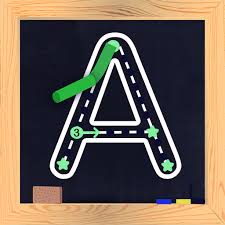
Effective literacy development engages multiple senses simultaneously. Reading apps combine visual elements (letters, words, images), auditory components (pronunciation guides, sound effects), and kinesthetic learning (touching, swiping, tracing letters on screen).
This multi-sensory approach reinforces learning more effectively than traditional methods that primarily rely on visual and auditory channels. When children trace a letter with their finger while hearing its sound and seeing it form a word, neural connections strengthen significantly.
🌟 Key Features That Make Literacy Apps Effective
Not all educational apps are created equal. The most successful literacy applications share certain characteristics that distinguish them from less effective alternatives.
Phonics-Based Instruction
Research consistently shows that phonics-based approaches—teaching the relationship between letters and sounds—produce superior reading outcomes. Leading literacy apps build their curriculum around systematic phonics instruction, introducing letter sounds progressively and reinforcing them through varied exercises.
Users learn to decode words by understanding how letters combine to create sounds, rather than memorizing whole words visually. This foundational skill enables independent reading of unfamiliar words.
Gamification Elements
Transforming education into play is perhaps the most powerful innovation of literacy apps. By incorporating game mechanics—points, levels, badges, challenges—these apps tap into our natural desire for achievement and progress.
Children eagerly complete “one more level” to earn a virtual reward, inadvertently accumulating hours of valuable practice. Adults find motivation in visible progress indicators and milestone celebrations that acknowledge their hard work.
Progress Tracking and Reporting
Parents and educators appreciate detailed analytics showing exactly what skills have been mastered and where additional practice is needed. Comprehensive dashboards display time spent learning, accuracy rates, and skill progression over time.
This transparency allows adults to support children’s learning more effectively and helps self-directed learners identify areas requiring additional focus.
👨👩👧👦 How Families Are Transforming Learning Time
Families worldwide have discovered that literacy apps create unique opportunities for shared learning experiences. Rather than isolating children with screens, thoughtful parents use these tools as catalysts for interaction.
Many families establish daily “reading app time” where parents sit with children, celebrate victories, and discuss lessons learned. This transforms screen time from passive consumption to active, supported learning.
Siblings often engage in friendly competition, comparing progress and encouraging each other. Older children sometimes help younger ones navigate activities, reinforcing their own literacy skills through teaching.
Building Reading Confidence in Safe Spaces
For struggling readers, public failure can be devastating. Literacy apps provide a judgment-free zone where mistakes are simply opportunities to try again. There’s no peer laughter, no impatient teacher, just encouraging feedback and another chance to succeed.
This psychological safety is particularly valuable for adults learning to read later in life. The privacy of mobile learning removes social stigma and allows learners to progress without fear of embarrassment.
🎓 What Educators Say About Digital Literacy Tools
Professional educators increasingly recognize literacy apps as valuable supplementary resources. While not replacing comprehensive instruction, these tools extend learning beyond classroom walls and provide practice opportunities that teachers cannot always offer.
Teachers report that students using literacy apps at home arrive at school with stronger phonemic awareness and greater enthusiasm for reading activities. The immediate feedback apps provide reinforces correct habits and prevents the practice of errors.
Special education professionals particularly appreciate how apps accommodate diverse learning needs, offering repetition without judgment and breaking complex skills into manageable micro-lessons.
💡 Choosing the Right Literacy App for Your Needs
With thousands of educational apps available, selecting the right one can feel overwhelming. Consider these factors when evaluating options:
- Evidence-Based Methodology: Look for apps built on proven literacy instruction principles, particularly systematic phonics approaches
- Age Appropriateness: Ensure content matches the learner’s developmental stage and current skill level
- Engagement Quality: High-quality graphics, pleasant sound design, and varied activities maintain interest without overwhelming
- Progress Monitoring: Detailed tracking helps you understand what’s working and where additional support is needed
- Offline Capability: Apps that work without constant internet connection offer greater flexibility
- Privacy and Safety: Verify that apps protect user data and don’t contain inappropriate advertisements or content
🚀 Success Stories: Real Results from App-Based Learning
Across continents and cultures, families share remarkable stories of literacy breakthroughs facilitated by mobile apps. Children who struggled for months with traditional methods suddenly grasp phonics concepts through interactive games.
Parents report emotional moments when their child reads independently for the first time, often crediting daily app practice as the catalyst. Adults describe life-changing experiences of finally conquering literacy challenges that had limited their opportunities for decades.
These aren’t isolated incidents but patterns repeated millions of times worldwide. The combination of accessibility, engagement, and pedagogical soundness creates conditions where literacy development accelerates naturally.
🌐 Global Impact: Literacy Apps Reaching Underserved Communities
Perhaps the most profound impact of literacy apps occurs in communities with limited access to quality education. In regions where schools are scarce, teachers undertrained, or resources inadequate, smartphones loaded with educational apps become powerful equalizers.
International development organizations increasingly incorporate literacy apps into programs designed to improve educational outcomes in developing nations. A single smartphone can serve an entire family or small community group.
The low cost compared to traditional educational interventions makes app-based literacy instruction scalable in ways that building schools and training teachers cannot match. This democratization of education may ultimately prove to be one of technology’s most significant contributions to human development.
🔮 The Future of Learning to Read
As artificial intelligence, augmented reality, and machine learning technologies advance, literacy apps will become even more sophisticated. Future applications may offer:
- Real-time pronunciation coaching using advanced speech recognition
- Augmented reality experiences that bring stories to life in physical spaces
- AI tutors that understand emotional states and adjust encouragement accordingly
- Integration with smart home devices for ambient learning opportunities
- Collaborative features connecting learners across geographic boundaries
These innovations will further enhance the effectiveness and appeal of mobile literacy tools, potentially making illiteracy a rarity rather than a persistent global challenge.
📚 Complementing Apps with Traditional Reading Materials
While literacy apps are powerful tools, experts emphasize they work best alongside traditional reading materials. Physical books offer tactile experiences, longer narrative immersion, and opportunities for cuddling during bedtime stories that screens cannot replicate.
The ideal approach combines digital practice for skill development with physical books for application and enjoyment. Children who use literacy apps should also visit libraries, receive books as gifts, and see adults modeling reading behavior.
This balanced approach leverages the strengths of both digital and traditional media, creating comprehensive literacy experiences that develop not just technical reading skills but also a genuine love of reading.
🎉 Getting Started: Your First Steps with Literacy Apps
Ready to explore how mobile apps can transform literacy learning? Begin by downloading a highly-rated literacy application that matches your needs. Spend time exploring features, understanding the curriculum structure, and customizing settings.
Establish a consistent daily practice routine—even 10-15 minutes daily produces better results than occasional longer sessions. Create a comfortable, distraction-free environment for learning time.
Monitor progress regularly, celebrate achievements enthusiastically, and maintain patience during plateaus. Remember that literacy development is a marathon, not a sprint, and every small victory represents meaningful progress.
Engage with the learning process actively. For children, sit alongside them during practice sessions when possible. For adult learners, connect with online communities of fellow literacy students for support and encouragement.
✨ Empowering Millions, One Letter at a Time
The transformation happening in pockets, purses, and backpacks worldwide represents more than technological innovation—it’s a fundamental shift in how humans acquire one of life’s most essential skills. Literacy apps have removed barriers that prevented millions from learning to read effectively.
What makes this revolution particularly beautiful is its accessibility. Regardless of geographic location, economic status, or educational background, anyone with a smartphone can access world-class literacy instruction. The playing field is leveling in ways previous generations could hardly imagine.
The millions already using these apps aren’t just learning to read—they’re unlocking doors to employment, education, communication, and self-expression. They’re proving that when barriers fall and tools become available, human potential flourishes remarkably.
As these digital companions continue evolving and improving, their impact will only grow. The question isn’t whether literacy apps work—countless success stories confirm their effectiveness. The real question is whether we’ll ensure these powerful tools reach every person who needs them.
Learning to read in the palm of your hand is no longer science fiction or distant possibility. It’s today’s reality, transforming lives one lesson, one word, one breakthrough at a time. The literacy revolution is mobile, and it’s inviting everyone to participate. 📖✨
- Digital Measuring Apps vs Traditional Tape: A Practical Comparison
- Quick Measurements: Digital Tape Measure App Solution
- Benefits of Using a Digital Tape Measure App
- Measure Spaces Easily: Using Your Phone’s Camera
- Digital Tape Measure: Essential Tool for Home Projects
