
Anúncios
Birdwatching has evolved from binoculars and field guides to sophisticated mobile apps that identify birds by sight and sound instantly.
Whether you’re an experienced ornithologist or someone who simply enjoys the melodies outside your window, bird identification apps have transformed how we connect with nature. These digital tools combine cutting-edge technology with extensive databases to bring the avian world closer to your fingertips.
Anúncios
The beauty of modern bird apps lies in their accessibility and accuracy. Gone are the days of fumbling through thick guidebooks while a rare species flies away. Today’s applications use artificial intelligence, sound recognition, and community-driven data to provide instant, reliable identification that enhances every outdoor experience.


🎵 How Bird Sound Recognition Technology Works
Bird identification apps use sophisticated audio recognition algorithms that analyze sound patterns, frequencies, and rhythms. When you record a bird song or call, the app breaks it down into distinct audio signatures that match against vast databases containing thousands of recorded bird vocalizations.
Anúncios
The technology behind these apps has improved dramatically over recent years. Machine learning models are trained on millions of bird recordings submitted by users worldwide, creating increasingly accurate identification systems. Apps like Merlin Bird ID from Cornell Lab of Ornithology boast recognition capabilities for over 10,000 species globally.
Sound identification works best in relatively quiet environments where the target bird’s voice is clear. Background noise from traffic, wind, or multiple birds singing simultaneously can affect accuracy. Most apps provide confidence scores with their identifications, helping users understand the reliability of each result.
📱 Top Apps for Identifying Birds by Sound
Several exceptional applications have emerged as leaders in bird sound identification. Each offers unique features tailored to different user needs and expertise levels.
Merlin Bird ID – The Cornell Lab Standard
Developed by the renowned Cornell Lab of Ornithology, Merlin Bird ID stands as arguably the most comprehensive free bird identification app available. Its Sound ID feature can identify birds from recordings in real-time, making it perfect for field use.
The app covers extensive geographic regions with downloadable packs that work offline—essential for remote birdwatching locations. Merlin also offers photo identification and a step-by-step ID wizard that asks simple questions to narrow down species possibilities.
BirdNET – Citizen Science Meets Technology
BirdNET combines identification with citizen science, allowing users to contribute their recordings to research projects. Developed by the Cornell Lab and Chemnitz University of Technology, this app excels at continuous monitoring, making it ideal for backyard birding.
Users can set up their phones to record automatically throughout the day, creating detailed logs of which species visit their area and when. This feature transforms casual bird listening into valuable scientific data collection.
Song Sleuth – North American Specialist
Focused specifically on North American birds, Song Sleuth offers highly accurate identification for the region. The app provides detailed spectrograms alongside recordings, helping users learn to recognize visual patterns in bird songs.
This educational component makes Song Sleuth particularly valuable for those wanting to develop their ear for bird identification beyond relying solely on technology.
🔍 Visual Bird Identification Features
While sound recognition captures attention, visual identification remains equally important. Many birds are silent during certain seasons or times of day, making photo-based identification essential for comprehensive birdwatching.
Photo identification works through computer vision algorithms that analyze color patterns, body shapes, beak structures, and other physical characteristics. Users simply photograph a bird, and the app compares it against its database to suggest likely matches.
Apps like Merlin and eBird have refined this technology to account for regional variations, plumage differences between sexes and ages, and seasonal changes. The accuracy continues to improve as more users submit verified photos.
🌍 Regional Databases and Offline Functionality
One critical feature separating excellent bird apps from mediocre ones is robust offline functionality. Serious birdwatchers often venture into areas with limited or no cellular service, making downloadable regional packs essential.
Most quality apps allow users to download specific geographic packs containing all relevant species information, songs, calls, and images. These packs typically range from 50MB to several hundred megabytes, depending on the diversity of the region.
Regional customization also improves identification accuracy by filtering out species unlikely to appear in your location. Instead of sorting through global possibilities, the app focuses on birds actually present in your area during the current season.
📊 Recording Quality and Best Practices
The quality of your recording significantly impacts identification success. Understanding basic recording techniques helps maximize app performance and identification accuracy.
- Distance matters: Position yourself 15-50 feet from the bird when possible for optimal recording clarity
- Minimize background noise: Wind, traffic, and other birds can interfere with recognition algorithms
- Record adequate duration: Capture at least 10-15 seconds of continuous vocalization for best results
- Hold steady: Phone movement can create handling noise that obscures bird sounds
- Use external microphones: For serious recording, directional microphones significantly improve quality
Many apps provide visual feedback during recording, showing sound levels and frequencies in real-time. This helps users confirm they’re capturing clear audio before attempting identification.
🎓 Educational Features and Learning Tools
Beyond simple identification, the best bird apps function as comprehensive educational platforms. They transform casual curiosity into deeper understanding and appreciation of avian life.
Most applications include detailed species pages with information about habitat preferences, migration patterns, breeding behaviors, and conservation status. High-quality photos show different plumages, and range maps indicate where and when species can be found.
Interactive quizzes and listening challenges help users train their ears and eyes. Some apps track your learning progress, creating personalized training sessions based on birds in your region or species you struggle to identify.
🤝 Community Features and Social Birdwatching
Modern bird apps increasingly incorporate social features that connect enthusiasts worldwide. These community elements add engagement layers beyond solitary identification.
eBird, while primarily a birding checklist platform, integrates seamlessly with identification apps. Users can submit their sightings, view recent observations from specific locations, and explore hotspots where rare species have been reported.
Community verification systems allow experienced birders to confirm unusual sightings, maintaining data quality while providing learning opportunities. Discussion forums within apps enable users to ask questions, share tips, and celebrate exciting discoveries.
Seasonal challenges and birding events organized through apps create friendly competition and motivation to explore new locations and expand species lists.
💡 Advanced Features for Serious Birders
Professional ornithologists and dedicated enthusiasts benefit from advanced features that extend beyond basic identification.
Spectrogram Analysis
Visual representations of sound waves help users learn to recognize song patterns without relying solely on automated identification. Spectrograms display frequency over time, revealing the unique signature of each species.
Advanced users can compare their recordings against reference spectrograms, understanding subtle differences between similar-sounding species that automated systems might confuse.
Custom Lists and Life Lists
Serious birders maintain detailed records of every species they’ve observed. Apps facilitate this through customizable lists, automatic date and location stamping, and cloud synchronization across devices.
Life lists, year lists, location lists, and trip lists help birders track their progression and set goals. Integration with global databases like eBird allows for standardized record-keeping accepted by the broader birding community.
Migration Tracking and Alerts
Some applications provide migration forecasts based on weather patterns, helping users predict when rarities might appear in their area. Alert systems notify users when specific species are reported nearby, enabling quick responses to chase unusual sightings.
🌱 Conservation and Citizen Science Contributions
Bird identification apps serve purposes far beyond personal enjoyment. The data collected through these platforms contributes significantly to scientific understanding and conservation efforts.
Every observation submitted to platforms like eBird becomes part of the largest biodiversity database in existence. Researchers use this data to track population trends, identify conservation priorities, and understand how climate change affects bird distributions.
Your backyard recordings help scientists monitor species abundance and breeding patterns across vast geographic areas. This democratization of data collection enables research impossible through traditional methods.
Many apps highlight conservation status directly on species pages, raising awareness about threatened populations and encouraging users to support protection efforts.
🔋 Battery Life and Technical Considerations
Extensive app use in the field raises practical concerns about battery consumption and device limitations. Sound recording and GPS tracking drain batteries quickly, making power management essential for day-long birding excursions.
Strategies for extending battery life include downloading regional packs before trips to minimize data usage, enabling airplane mode when cell service isn’t needed, and reducing screen brightness. Portable battery packs have become standard equipment for serious birders.
Storage space also matters when maintaining extensive photo and audio libraries. Regular cloud backups prevent data loss while freeing device memory for continued recording.
🎯 Choosing the Right App for Your Needs
With numerous options available, selecting the appropriate bird identification app depends on your specific interests and experience level.
Beginners benefit most from user-friendly interfaces with step-by-step identification wizards and extensive educational content. Apps like Merlin excel here with their approachable design and comprehensive free features.
Regional specialists might prefer apps focused on their specific geographic area, offering deeper coverage of local species with detailed vocalizations and behavioral information.
Serious birders often use multiple apps in combination, leveraging the strengths of each. Merlin for quick field identification, BirdNET for continuous monitoring, and eBird for comprehensive record-keeping create a powerful toolkit.
🚀 Future Developments in Bird Identification Technology
The field of bird identification technology continues evolving rapidly. Emerging developments promise even more impressive capabilities in coming years.
Artificial intelligence improvements will enable identification of individual birds by their unique vocal signatures, similar to human voice recognition. This could revolutionize population studies and behavioral research.
Augmented reality features may overlay identification information directly onto your camera view in real-time, highlighting birds and displaying species names as you scan the environment.
Integration with smart home devices could create automated monitoring stations that track all birds visiting your property, generating detailed reports without manual recording.
Collaborative AI systems might combine visual and audio data simultaneously, cross-referencing multiple identification methods to achieve near-perfect accuracy even with difficult species.
🎤 Building Your Bird Listening Skills
While apps provide incredible assistance, developing personal identification skills enhances enjoyment and understanding. Technology works best when combined with trained ears and observational experience.
Start by focusing on common local birds, learning their songs thoroughly before moving to more challenging species. Apps can play reference recordings repeatedly, helping cement these songs in memory.
Practice identifying birds by sound before checking the app’s answer. This builds confidence and trains your ear to recognize patterns, frequencies, and rhythms characteristic of different families.
Keep notes about what you hear, describing songs in your own words. This personal connection aids memory far better than passive listening to app-generated descriptions.
Join guided bird walks where experienced leaders share identification tips and techniques. Combining app technology with human expertise accelerates learning dramatically.
✨ Transforming Your Relationship with Nature
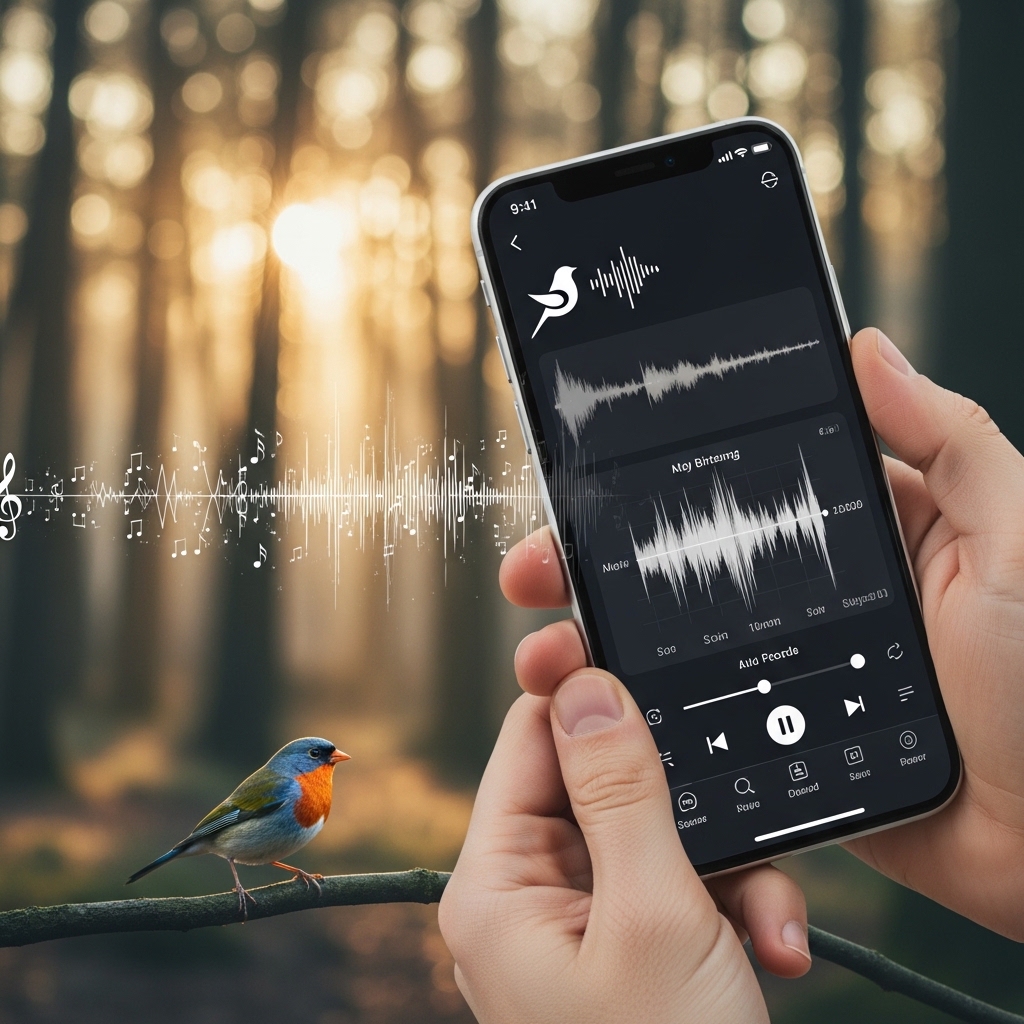
Bird identification apps do more than name species—they fundamentally change how we experience the natural world. Suddenly, the morning chorus transforms from pleasant background noise into a rich tapestry of distinct voices, each telling its own story.
Every walk becomes an opportunity for discovery. That unfamiliar call might be a rare visitor, a species you’ve never encountered, or simply a common bird using a vocalization you haven’t learned yet. Apps turn uncertainty into knowledge within seconds.
This immediate feedback creates addictive learning loops. Each identification success motivates further exploration, gradually building expertise and deepening appreciation for the incredible diversity surrounding us.
Parents find these apps invaluable for engaging children with nature. The instant gratification of identifying a mysterious sound captures young attention spans and sparks curiosity about the natural world in ways traditional methods rarely achieved.
For urban dwellers especially, bird apps reveal surprising biodiversity in seemingly nature-poor environments. Cities host remarkable avian diversity, and recognition apps help residents discover the wild neighbors sharing their concrete landscapes.
The mental health benefits of birding are well-documented, and apps lower barriers to participation. Anyone with a smartphone can immediately begin exploring this therapeutic hobby without expensive equipment or extensive training. The combination of outdoor activity, focused attention, and accomplishment provides powerful stress relief and mindfulness opportunities.
As technology continues advancing, the line between human expertise and artificial assistance blurs productively. Apps don’t replace the joy of personal discovery—they enhance it, making the avian world more accessible while maintaining the wonder that draws us to birds in the first place. Whether you’re identifying your hundredth warbler species or learning to distinguish a robin from a thrush, these digital tools enrich every moment spent listening to the symphony of nature.
