
Anúncios
Crochet is more than a craft—it’s a creative journey that opens doors to handmade beauty, mindfulness, and endless possibilities for beginners and advanced crafters alike.
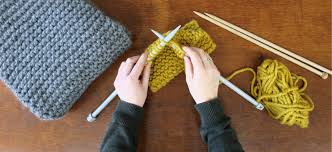


Whether you’re holding a crochet hook for the first time or mastering intricate lacework patterns, learning crochet transforms simple yarn into stunning creations. From cozy blankets to delicate doilies, every stitch tells a story. The beauty of this timeless craft lies in its accessibility—anyone can start today with just a hook, some yarn, and a bit of patience.
Anúncios
This comprehensive guide will walk you through everything you need to know about learning crochet, from absolute beginner basics to advanced techniques. You’ll discover step-by-step tutorials, essential tips, common mistakes to avoid, and how to progress from simple chains to complex amigurumi projects. Let’s embark on this creative adventure together! 🧶
Why Learning Crochet Is Worth Your Time ✨
Crochet offers remarkable benefits beyond creating beautiful items. This meditative craft reduces stress, improves focus, and provides a sense of accomplishment with every completed project. Unlike many hobbies, crochet requires minimal investment—just a hook and yarn—making it accessible to everyone regardless of budget.
Anúncios
The crochet community is incredibly welcoming and supportive. Online forums, social media groups, and local crafting circles connect millions of enthusiasts who share patterns, troubleshoot problems, and celebrate each other’s creations. This sense of belonging adds another rewarding dimension to learning crochet.
From a practical standpoint, crochet skills enable you to create personalized gifts, home décor, and wearable art. Handmade items carry emotional value that mass-produced products simply cannot match. Plus, many crocheters turn their passion into profitable side businesses, selling their creations online or at craft fairs.
Essential Supplies Every Beginner Needs 🎯
Starting your crochet journey doesn’t require a massive shopping spree. Begin with these fundamental supplies and expand your collection as your skills develop:
- Crochet hooks: Size H/8 (5mm) is ideal for beginners—large enough to see stitches clearly but not unwieldy
- Worsted weight yarn: Medium-weight yarn in light colors makes stitches visible and easy to count
- Scissors: Sharp fabric scissors for clean yarn cuts
- Tapestry needle: Blunt-tipped needle for weaving in ends and seaming pieces
- Stitch markers: Helpful for tracking rounds and pattern repeats
- Measuring tape: Essential for checking gauge and project dimensions
Avoid extremely fuzzy, slippery, or dark-colored yarns when starting out. Smooth, light-colored acrylic or cotton yarn allows you to see your stitches clearly and correct mistakes easily. As you gain confidence, experiment with luxurious fibers like merino wool, alpaca, or bamboo blends.
Understanding Basic Crochet Terminology 📖
Crochet patterns use specific abbreviations and terms. Familiarizing yourself with this language prevents confusion and makes pattern-reading much smoother. Here are the fundamental terms every beginner should know:
- Ch (chain): The foundation of most crochet projects
- Sl st (slip stitch): Used for joining and moving across stitches without adding height
- SC (single crochet): The shortest and most basic stitch
- DC (double crochet): Taller stitch that works up quickly
- HDC (half double crochet): Height between single and double crochet
- TR (treble crochet): Very tall stitch for lacy, open patterns
- YO (yarn over): Wrapping yarn around the hook
- Turning chain: Extra chains at row ends to reach proper height
American and British crochet terminology differ significantly, which can cause confusion. Always check which convention a pattern uses—what Americans call “single crochet” is “double crochet” in British terms. This guide uses American terminology throughout.

Your First Stitches: Step-by-Step Beginner Tutorial 🌟
Every crochet journey begins with the slip knot and foundation chain. These fundamental techniques form the basis for all crochet projects. Master these basics before moving to more complex stitches.
Making Your First Slip Knot
Create a loop with your yarn, leaving a 6-inch tail. Insert your hook through the loop, catch the working yarn, and pull it through. Gently tighten the knot on your hook—not too tight, as you need to work stitches into it. This slip knot doesn’t count as a stitch but anchors your work to the hook.
Creating a Foundation Chain
With the slip knot on your hook, yarn over (wrap yarn around hook from back to front) and pull through the loop on your hook. You’ve made one chain stitch! Repeat this motion, keeping tension consistent. Practice making chains until they look uniform—this foundation skill affects everything you create.
Working Single Crochet Stitches
Chain 11 stitches (10 for your row plus 1 turning chain). Skip the first chain from your hook, insert your hook into the second chain. Yarn over and pull through the chain—you now have 2 loops on your hook. Yarn over again and pull through both loops. Congratulations, you’ve completed your first single crochet! Continue across the row, then chain 1 and turn your work to begin the next row.
Mastering Double Crochet
Double crochet works up faster than single crochet and creates a slightly looser fabric. Start with a foundation chain (any number plus 3 for turning). Yarn over before inserting your hook into the fourth chain from hook. One double crochet complete!
Common Beginner Mistakes and How to Fix Them 🔧
Every crocheter makes mistakes—they’re valuable learning opportunities. Recognizing common errors helps you troubleshoot problems and improve faster.
Uneven tension: Your stitches look wildly different sizes. Solution: Practice maintaining consistent yarn tension in your non-hook hand. Relaxation is key—gripping too tightly causes cramping and uneven stitches.
Losing or gaining stitches: Your rows get progressively wider or narrower. Solution: Count stitches in each row and use stitch markers to identify the first and last stitch. The turning chain can be tricky—learn whether it counts as a stitch in your pattern.
Working into the wrong part of the stitch: Most patterns require working under both loops at the top of the stitch. Working under only one loop creates a different texture (sometimes intentionally). Pay attention to where your hook goes.
Twisting your foundation chain: When working into your starting chain, make sure it isn’t twisted. This creates a cleaner edge and prevents frustration later.
Perfect First Projects for Absolute Beginners 🎨
Choose projects that build skills progressively without overwhelming you. These beginner-friendly patterns provide satisfying results while reinforcing fundamental techniques:
Dishcloths and washcloths: Small, quick projects perfect for practicing basic stitches. Use cotton yarn for absorbency. Mistakes are forgiving, and you’ll have useful items when finished.
Simple scarves: Repetitive rows of single or double crochet create cozy accessories. Scarves don’t require shaping, gauge matching, or complex finishing—just crochet a rectangle to your desired length.
Granny squares: These iconic motifs teach working in rounds, color changes, and joining techniques. Create individual squares, then connect them into blankets, bags, or cushion covers.
Basic beanies: Once comfortable with rounds, try a simple hat pattern. Beanies introduce decreasing techniques and working in continuous spirals rather than joined rounds.
Intermediate Techniques to Expand Your Skills 🚀
After mastering basic stitches, these intermediate techniques add versatility and complexity to your crochet repertoire:
Working in the Round
Circular crochet opens possibilities for hats, amigurumi, mandala patterns, and seamless garments. Start with a magic ring (adjustable loop) or chain ring, then work stitches around the center. Each round typically increases stitch count to maintain flatness or follows specific shaping for dimensional items.
Increasing and Decreasing
Shaping requires adding (increasing) or removing (decreasing) stitches strategically. Increases involve working multiple stitches into the same stitch. Decreases combine two stitches into one by leaving the final yarn-over incomplete on consecutive stitches, then pulling through all loops together.
Color Changes and Stripes
Introducing new colors transforms simple patterns into vibrant designs. Change colors at the end of a row by completing the last stitch of the old color until 2 loops remain, then use the new color for the final yarn-over. Carry unused colors along the edge or cut and weave in ends for a cleaner finish.
Reading Pattern Charts
While written patterns describe stitches with abbreviations, charts use symbols to represent each stitch visually. Charts are especially helpful for lace patterns and intricate stitch work, showing exactly how stitches relate spatially. Learning to read charts expands your pattern options significantly.
Advanced Crochet Techniques for Experienced Crafters 🏆
Ready to challenge yourself? These advanced techniques require practice but produce stunning, professional-quality results:
Tunisian Crochet
Also called Afghan crochet, this technique uses a long hook and combines elements of crochet and knitting. Tunisian crochet creates a dense, textured fabric perfect for blankets, garments, and home décor. The basic Tunisian simple stitch involves a forward pass (picking up loops) and return pass (working them off), repeated row by row.
Tapestry Crochet
This technique creates colorful geometric patterns by carrying multiple yarn colors and switching between them within rows. Tapestry crochet requires careful tension management to prevent puckering and produces stunning bags, baskets, and wall hangings inspired by traditional weaving patterns.
Irish Crochet Lace
This intricate technique involves creating individual motifs (flowers, leaves, scrolls) and connecting them with mesh backgrounds. Irish crochet reached its peak during the Victorian era and remains highly valued for its delicate beauty. Advanced crocheters prize this challenging technique for special occasion garments and heirloom pieces.
Amigurumi Mastery
While basic amigurumi suits intermediate crocheters, advanced patterns include realistic animals, detailed character replicas, and complex multi-piece assemblies. Mastering invisible decreases, color changes mid-round, and seamless shaping elevates your amigurumi from cute to extraordinary.
Understanding Gauge and Why It Matters 📏
Gauge refers to the number of stitches and rows per inch in your crochet fabric. When following garment patterns, matching the designer’s gauge ensures your finished piece fits properly. Even slight gauge differences compound over large projects, potentially adding or subtracting several inches.
Create a gauge swatch before starting size-critical projects. Using the pattern’s specified hook and yarn, crochet a 4×4 inch square in the main stitch pattern. Measure the center stitches and rows, avoiding edges which may be distorted. If you have too many stitches per inch, your gauge is tight—try a larger hook. Too few stitches means loose gauge—size down your hook.
Individual crochet tension varies naturally. Some crocheters work tightly, others loosely. Neither is wrong, but awareness allows you to adjust tools accordingly. Remember that gauge swatching isn’t wasted effort—you’re preventing the heartbreak of completing a sweater that doesn’t fit.
Choosing Yarn: Fiber Content and Weight Explained 🧵
Yarn selection dramatically affects your project’s appearance, drape, and durability. Understanding fiber properties helps you choose appropriately for each creation.
Acrylic: Affordable, easy-care, available in countless colors. Perfect for blankets, toys, and learning projects. Some acrylics feel scratchy, while premium versions rival natural fibers in softness.
Cotton: Breathable, absorbent, machine-washable. Ideal for dishcloths, summer garments, and baby items. Cotton lacks elasticity, so ribbing and fitted garments may not hold shape as well as wool.
Wool: Warm, elastic, moisture-wicking. Traditional choice for winter accessories and garments. Requires careful washing to prevent felting. Merino wool offers exceptional softness for those sensitive to scratchier varieties.
Alpaca and luxury fibers: Incredibly soft and warm but often expensive. Reserve these for special projects where their qualities shine—silky shawls, luxurious scarves, or heirloom baby blankets.
Yarn weight refers to thickness, ranging from lace-weight (finest) to jumbo (bulkiest). Patterns specify recommended yarn weight—substituting different weights requires recalculating gauge and potentially adjusting hook sizes and stitch counts.
Finishing Techniques That Look Professional ✂️
The difference between handmade and homemade often lies in finishing details. These techniques give your projects a polished, professional appearance:
Weaving in ends invisibly: Thread yarn tails onto a tapestry needle and weave through the backs of stitches in a zigzag pattern for several inches. This prevents ends from popping out during use and washing.
Blocking: Shaping finished pieces using moisture and pinning to achieve proper dimensions. Blocking opens up lace patterns, evens stitch tension, and sets the final shape. Different fibers require different blocking methods—steam, wet, or spray blocking.
Seamless joining: Instead of sewing pieces together with visible seams, use invisible joining techniques like the mattress stitch or single crochet seam worked from the right side.
Border edgings: Adding a border around blankets, scarves, or garments creates a finished look and prevents edges from curling. Simple single crochet borders work well, while decorative shell or picot edgings add elegance.
Building Your Pattern Library and Resources 📚
Accessing quality patterns and tutorials accelerates your learning curve. Free and paid resources each offer valuable benefits:
Free pattern websites like Ravelry host millions of user-uploaded patterns with reviews, photos of finished projects, and modification notes from other crocheters. This community feedback helps you assess pattern quality and difficulty before starting.
YouTube tutorials provide visual learning that written patterns cannot match. Watching experienced crocheters demonstrate techniques clarifies confusing instructions and shows hand positioning, tension management, and troubleshooting strategies.
Paid patterns from established designers typically include detailed instructions, sizing options, and professional tech editing. Supporting designers ensures they can continue creating quality patterns for the community.
Crochet books offer curated collections organized by theme, technique, or skill level. Building a personal library creates a reliable reference system that doesn’t depend on internet access.
Joining the Crochet Community 🤝
Crochet connects people across generations, cultures, and continents. Engaging with the community enhances your enjoyment and learning:
Local yarn shops often host crochet circles, classes, and special events. These gatherings provide hands-on help, social connection, and the opportunity to see techniques demonstrated in person.
Online communities through Facebook groups, Instagram hashtags, and Reddit forums connect you with crocheters worldwide. Share your work, ask questions, participate in crochet-alongs, and gain inspiration from others’ creativity.
Charity crochet projects combine creativity with compassion. Organizations coordinate efforts to create hats for cancer patients, blankets for shelters, octopi for premature babies, and countless other meaningful items.
Turning Your Passion Into Income 💰
Many crocheters successfully monetize their skills through various channels:
Selling finished items on platforms like Etsy, at craft fairs, or through local boutiques generates income while sharing your creations. Focus on unique, high-quality pieces that justify handmade pricing.
Pattern designing allows you to multiply your efforts—create once, sell repeatedly. Successful pattern designers build reputations for clear instructions, beautiful photography, and responsive customer support.
Teaching crochet through local classes, online courses, or YouTube channels shares your knowledge while creating income streams. Many people specifically seek in-person or video instruction, making your teaching valuable.
Crochet blogging, especially when combined with affiliate marketing and sponsored content, can generate passive income. Building an audience takes time but rewards those who consistently provide valuable content.
Overcoming Creative Blocks and Staying Motivated 🌈
Every crocheter experiences periods of reduced motivation or creative stagnation. These strategies help reignite your passion:
Challenge yourself with new techniques or unfamiliar patterns. Stepping outside your comfort zone stimulates learning and prevents boredom from repetitive projects.
Participate in crochet-alongs (CALs) where groups work on the same pattern simultaneously. The accountability and community support keep motivation high, and seeing others’ progress inspires continued effort.
Switch between projects when one feels tedious. Having multiple works in progress allows you to match your mood—mindless TV crochet on simple blankets, focused concentration for intricate lace.
Set achievable goals like completing one project monthly, learning a new stitch weekly, or participating in a charity drive. Clear objectives provide direction and satisfaction as you accomplish them.
Essential Tips for Continued Growth and Improvement 🌱
Your crochet journey never truly ends—there’s always something new to learn, create, or master. Keep growing with these practices:
Document your progress through project photos and notes. Looking back at early work shows how far you’ve come and identifies areas for continued improvement.
Accept mistakes as learning opportunities rather than failures. Even experienced crocheters make errors; the difference lies in how efficiently they recognize and correct them.
Invest in quality tools gradually. Better hooks with ergonomic handles reduce hand fatigue during long sessions. Proper lighting prevents eye strain. Organizational systems keep your growing yarn stash manageable.
Never stop experimenting. Combine techniques unexpectedly, modify existing patterns creatively, or design your own projects from scratch. Innovation keeps crochet fresh and personally meaningful.
Whether you’re making your first chain stitch today or working on advanced Irish lace, crochet offers endless creative possibilities. This accessible, portable, and deeply satisfying craft welcomes everyone willing to pick up a hook and try. Your unique crochet journey starts now—embrace the process, celebrate small victories, and enjoy transforming simple yarn into extraordinary creations. Happy crocheting! 🎉
