
Anúncios
# HTML Article: The Best of Western Movies
The Western genre shaped cinema history with its iconic heroes, breathtaking landscapes, and timeless tales of frontier justice that continue captivating audiences worldwide.
Anúncios


From dusty saloons to epic showdowns at high noon, Western films represent more than just entertainment. They embody American mythology, exploring themes of honor, survival, and the clash between civilization and wilderness. These stories have transcended generations, influencing filmmakers across the globe and creating a cinematic language that remains instantly recognizable.
Whether you’re a longtime fan or discovering the genre for the first time, understanding what makes certain Westerns stand above the rest reveals not just great filmmaking, but also powerful storytelling that addresses universal human experiences. Let’s explore the masterpieces that defined this legendary genre. 🎬
Anúncios
The Golden Era: Classics That Built the Genre 🌟
The 1940s and 1950s established the foundational elements that would define Western cinema for decades. During this period, directors like John Ford crafted films that balanced spectacular action with genuine human drama, creating templates that countless filmmakers would follow.
The Searchers (1956) stands as John Ford’s magnum opus and arguably the greatest Western ever made. John Wayne delivers his most complex performance as Ethan Edwards, a Civil War veteran on a years-long quest to rescue his kidnapped niece. The film’s stunning Monument Valley cinematography became synonymous with the Western landscape itself.
What elevates this film beyond simple adventure is its exploration of obsession, racism, and redemption. Ethan’s character embodies the contradictions of frontier mythology—heroic yet deeply flawed, determined yet consumed by hatred. The final shot, with Wayne framed in a doorway before walking away into the desert, remains one of cinema’s most iconic images.
High Noon: Real-Time Tension and Moral Courage ⏰
High Noon (1952) revolutionized the Western by stripping away romanticism and presenting a stark moral dilemma. Gary Cooper plays Marshal Will Kane, who must face four vengeful outlaws alone when his town refuses to help him.
Fred Zinnemann’s direction creates unbearable tension by matching the film’s 85-minute runtime almost exactly with the story’s timeline. Audiences watch the clock ticking toward noon alongside Kane, feeling every moment of his isolation and fear. This wasn’t the invincible cowboy hero audiences expected—this was a frightened man choosing duty over survival.
The film’s allegorical commentary on McCarthyism and political cowardice added layers of meaning that resonated beyond the Western setting, proving the genre could address contemporary social issues.
The Spaghetti Western Revolution: Redefining the Rules 🇮🇹
Italian director Sergio Leone transformed the Western in the 1960s with a grittier, more stylized approach that influenced everything from cinematography to sound design. His “Dollars Trilogy” introduced Clint Eastwood’s iconic Man with No Name character and redefined what Western heroes could be.
The Good, the Bad and the Ugly (1966) represents the pinnacle of Leone’s vision. This epic tale follows three gunslingers searching for Confederate gold during the Civil War, blending operatic scope with intimate character moments.
Visual Poetry and Ennio Morricone’s Iconic Scores 🎵
Leone’s extreme close-ups of weathered faces, followed by impossibly wide landscape shots, created a visual language entirely his own. He understood that tension builds through anticipation, stretching moments to their breaking point before explosive violence.
Equally important was Ennio Morricone’s groundbreaking musical score. The famous three-way standoff in the final cemetery scene becomes transcendent through the marriage of visuals and music. Morricone incorporated unconventional sounds—gunshots, whip cracks, whistles—creating soundscapes that felt both ancient and modern.
The Spaghetti Western’s influence extended far beyond Italy. Directors like Sam Peckinpah, Quentin Tarantino, and the Coen Brothers have all acknowledged Leone’s profound impact on their work.
Revisionist Westerns: Challenging the Mythology 🔍
By the 1970s, filmmakers began questioning the genre’s traditional narratives, creating darker, more ambiguous stories that reflected changing social attitudes. These revisionist Westerns examined the violence, racism, and exploitation glossed over by earlier films.
The Wild Bunch (1969) shocked audiences with its brutal depiction of aging outlaws facing obsolescence in a modernizing world. Sam Peckinpah’s controversial use of slow-motion violence wasn’t gratuitous but rather emphasized the horrifying reality of gunfights romanticized by earlier films.
Unforgiven: Deconstructing the Gunfighter Legend 🎯
Unforgiven (1992) represents Clint Eastwood’s meditation on violence and the Western mythology he helped create. The film follows retired gunfighter William Munny, drawn back into violence despite his attempts at peaceful living.
Unlike traditional Westerns where heroes emerge unscathed from gunfights, Unforgiven shows the physical and psychological toll of violence. Characters miss shots, suffer from illness, and struggle with their consciences. Gene Hackman’s sheriff, seemingly righteous, reveals himself as a sadistic bully hiding behind a badge.
The film won four Academy Awards, including Best Picture, proving that Westerns could still achieve both critical acclaim and commercial success when approached with intelligence and honesty.
Modern Masterpieces: The Western Lives On 🌄
Despite predictions of the genre’s death, contemporary filmmakers continue finding fresh approaches to Western storytelling. These modern entries prove that the fundamental themes remain relevant when executed with vision and authenticity.
No Country for Old Men (2007) transplants Western archetypes to 1980s Texas, with the Coen Brothers crafting a neo-Western exploring moral decay and inexorable fate. Javier Bardem’s Anton Chigurh represents a new kind of Western villain—philosophical, methodical, and terrifyingly unstoppable.
True Grit: Youthful Determination Meets Frontier Justice ⚖️
The Coen Brothers’ True Grit (2010) offered a more faithful adaptation of Charles Portis’s novel than the 1969 John Wayne version. Hailee Steinfeld’s Mattie Ross drives the narrative, a determined teenager hiring Marshall Rooster Cogburn to track her father’s killer.
This version emphasizes the harsh realities of frontier life while maintaining dark humor and genuine emotion. Jeff Bridges creates a completely different Cogburn than Wayne’s—more damaged, alcoholic, and unpredictable, yet ultimately heroic when needed.
Essential Western Elements That Define Greatness 🏜️
What separates truly great Westerns from merely entertaining ones? Several key elements consistently appear in the genre’s finest examples:
- Moral Ambiguity: The best Westerns avoid simple good-versus-evil narratives, presenting complex characters facing difficult choices with no perfect solutions.
- Landscape as Character: Monument Valley, the desert Southwest, and rugged mountains don’t just provide backdrops—they represent freedom, danger, and the indifferent forces of nature.
- Themes of Civilization vs. Wilderness: The tension between law and chaos, settlement and freedom, drives many classic Western narratives.
- Code of Honor: Even antiheroes typically follow personal codes, examining what honor means when formal law is absent or corrupt.
- Violence with Consequences: Great Westerns treat violence seriously, showing its impact rather than glorifying it thoughtlessly.
Character Archetypes Redefined Through Masterful Performances 🤠
Western cinema created iconic character types that actors have interpreted across decades, with the greatest performances adding depth and nuance to familiar roles.
John Wayne defined the classic Western hero across films like Red River (1948) and The Man Who Shot Liberty Valance (1962). His physical presence and moral certainty embodied American ideals, though his later roles showed increasing complexity.
Clint Eastwood evolved from Leone’s mysterious antihero to the conflicted protagonist of Unforgiven, demonstrating the genre’s maturation. His characters grew older and wearier, reflecting both personal aging and cultural reassessment of frontier violence.
Women in Westerns: Beyond the Saloon Girl Stereotype 👩
While traditionally male-dominated, some Westerns featured remarkable female characters who transcended stereotypes. Katharine Hepburn in Rooster Cogburn (1975), Anjelica Huston in The Dead Don’t Die (1975), and more recently, Hailee Steinfeld in True Grit presented women as complex, capable individuals rather than mere romantic interests or victims needing rescue.
The Ballad of Little Jo (1993) and The Quick and the Dead (1995) placed women at the center of Western narratives, examining gender roles and survival strategies in patriarchal frontier societies.
International Perspectives: Westerns Beyond Hollywood 🌍
The Western’s influence spread globally, with international filmmakers adapting the genre’s themes to their own cultural contexts and creating fascinating hybrids.
Japanese cinema’s samurai films share structural and thematic similarities with Westerns—so much so that Seven Samurai (1954) was remade as The Magnificent Seven (1960). This cross-pollination demonstrated universal appeal in stories about warriors, honor codes, and protecting communities.
Australian Westerns like The Proposition (2005) transplanted the genre to the outback, exploring colonialism and violence with brutal honesty. Korean director Kim Jee-woon created The Good, the Bad, the Weird (2008), a kinetic homage to Leone set in 1930s Manchuria.
Why These Films Endure: Timeless Themes in Period Settings ⏳
The greatest Westerns transcend their historical settings to address fundamental human concerns. Justice, redemption, courage, community, and individual freedom remain relevant regardless of era.
These films explore what people become when removed from civilization’s constraints. How do we create order from chaos? What distinguishes justice from revenge? When is violence justified? These questions resonated during the genre’s heyday and continue provoking thought today.
The Western landscape itself represents possibility—the chance to reinvent yourself, escape your past, or build something new. This deeply American mythology appeals universally because the desire for fresh starts and self-determination crosses cultural boundaries.
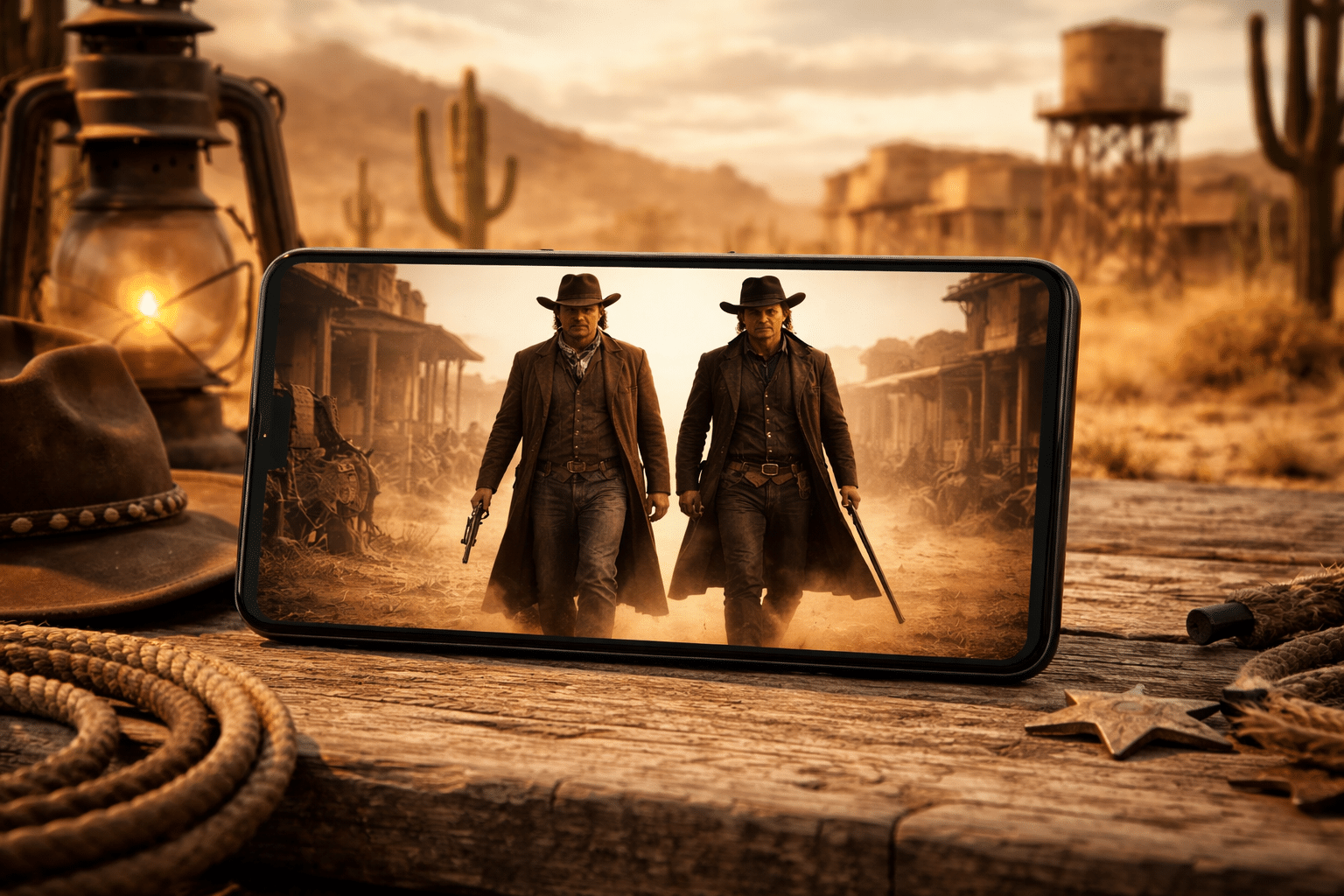
Watching Westerns Today: Accessibility and Appreciation 📱
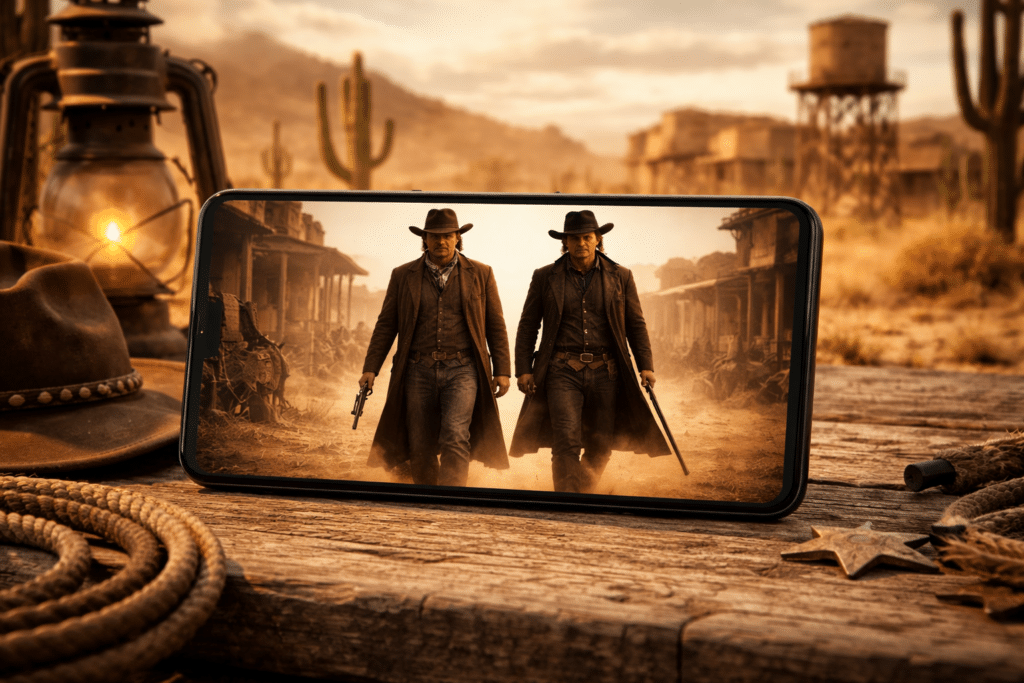
Modern streaming services have made classic and contemporary Westerns more accessible than ever. Whether discovering John Ford’s masterpieces for the first time or revisiting Sergio Leone’s operatic violence, today’s audiences can explore the genre’s rich history easily.
Approaching these films with historical context enhances appreciation. Understanding the production codes that restricted violence and language in classic Hollywood explains certain creative choices. Recognizing social commentary embedded in plots adds layers of meaning beyond surface entertainment.
For newcomers, starting with universally acclaimed titles provides solid foundation before exploring subgenres and more obscure entries. The films discussed here represent essential viewing for understanding not just Westerns but cinema history generally.
The Western’s Legacy in Modern Cinema 🎥
Contemporary action films, science fiction epics, and even superhero movies owe debts to Western conventions. The lone hero facing impossible odds, the final showdown, the journey across hostile territory—these narrative structures originated or were perfected in Westerns.
Star Wars consciously borrowed from Westerns and samurai films. Mad Max transplanted frontier lawlessness to post-apocalyptic Australia. The Mandalorian explicitly channels Western lone-gunslinger narratives in a space opera setting.
Directors like Quentin Tarantino, the Coen Brothers, and Taylor Sheridan continue creating films steeped in Western traditions, whether set in the historical West (Django Unchained, True Grit) or contemporary settings that evoke frontier mentality (Hell or High Water, Wind River).
Finding Your Path Through Western Cinema 🗺️
The genre offers something for every taste—classic Hollywood grandeur, Italian stylistic excess, revisionist darkness, or modern reinterpretations. Starting with acknowledged masterpieces provides grounding before exploring personal preferences.
Watch films chronologically to observe the genre’s evolution, or focus on specific directors, actors, or themes that resonate personally. Appreciate the craftsmanship in cinematography, editing, and sound design that distinguished these films technically as well as narratively.
Most importantly, approach these movies as living art rather than museum pieces. They contain violence, outdated attitudes, and problematic representations requiring critical viewing. Yet they also showcase magnificent filmmaking, powerful performances, and stories that continue speaking to fundamental human experiences.
The best Western films remind us that great cinema transcends genre boundaries. They’re not just cowboy movies—they’re explorations of morality, identity, violence, and civilization that happen to unfold against spectacular Western landscapes. That’s why they endure, inspire, and continue attracting new generations of viewers. 🌅
