
Anúncios
Imagine unwrapping each morning with a steaming cup that whispers stories of distant gardens, ancient remedies, and mindful moments waiting to unfold.
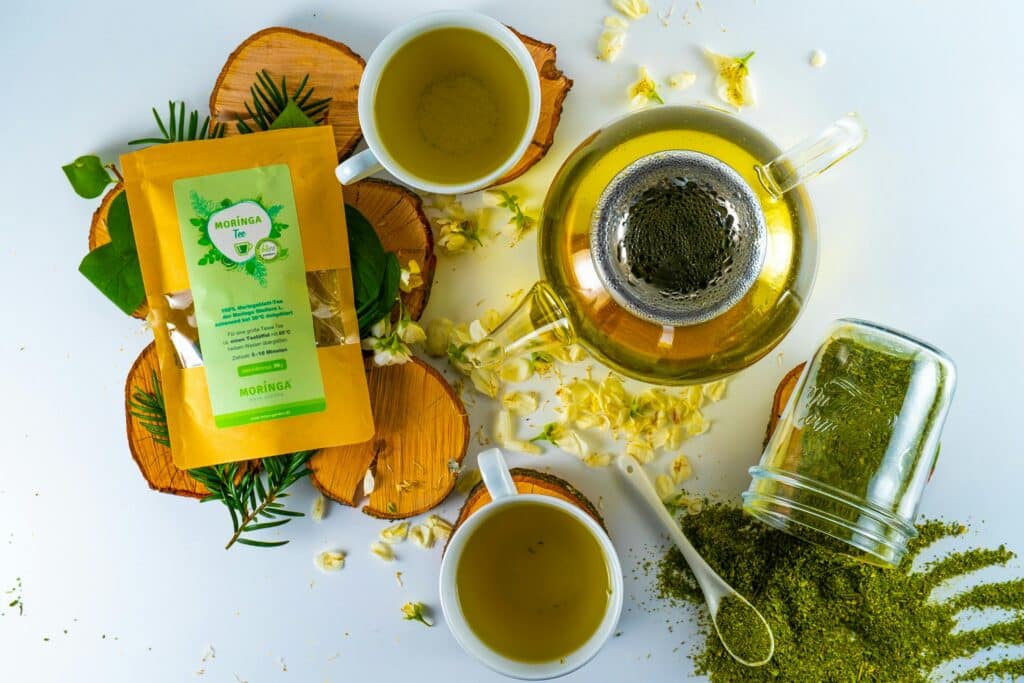


In our fast-paced world where coffee often reigns supreme, there exists a gentler, more nuanced universe of natural teas that invite us to slow down, breathe deeply, and reconnect with both body and spirit. These botanical infusions aren’t merely beverages—they’re liquid poetry, each sip carrying the essence of leaves, flowers, roots, and herbs that have sustained civilizations for millennia.
Anúncios
The art of tea drinking transcends simple hydration. It becomes a ritual, a meditation, a conscious choice to nourish ourselves with intention. Whether you’re seeking calm after a chaotic day, an energizing boost without the jitters, or simply a delicious way to support your wellness journey, natural teas offer an accessible path to transformation that begins right in your own kitchen.
The Enchanting World of Herbal Infusions 🌿
Unlike traditional teas derived from the Camellia sinensis plant, herbal infusions—or tisanes—draw their magic from an expansive botanical kingdom. Each plant brings its own personality, flavor profile, and potential benefits to your cup, creating endless possibilities for exploration and discovery.
Anúncios
The beauty of these natural brews lies in their diversity. From the sunny optimism of chamomile flowers to the grounding wisdom of ginger root, from the refreshing clarity of peppermint to the mysterious allure of hibiscus, there’s a tea waiting to match every mood, moment, and personal preference.
What makes herbal teas particularly enchanting is their accessibility. You don’t need elaborate equipment, expensive ingredients, or advanced culinary skills. A simple kettle, your favorite mug, and quality herbs are all that stand between you and a transformative wellness practice that costs mere cents per cup.

Morning Awakening Blends: Greeting the Day with Gentle Energy ☀️
The first beverage you consume sets the tone for your entire day. Instead of jolting your system with harsh stimulants, consider welcoming morning with teas that energize while nurturing your body’s natural rhythms.
Ginger tea stands as a morning champion, offering warming properties that kindle your internal fire without overwhelming your senses. To prepare this zesty elixir, simply slice fresh ginger root thinly—about a tablespoon’s worth—and steep in boiling water for ten minutes. The resulting brew awakens digestion, reduces inflammation, and provides a spicy kick that sharpens mental clarity.
Peppermint tea brings a different kind of morning magic. Its cooling menthol compounds refresh the mind, ease any digestive discomfort from the night before, and provide an invigorating aroma that rivals any alarm clock. Fresh peppermint leaves offer the most vibrant flavor, though quality dried leaves work beautifully when fresh isn’t available.
For those seeking a more complex morning companion, try blending green rooibos with lemon verbena and a hint of dried orange peel. This caffeine-free combination delivers antioxidants, uplifting citrus notes, and a natural sweetness that requires no additional sweeteners.
Simple Morning Tea Ritual
Creating a meaningful morning tea practice doesn’t require extensive time. Even five mindful minutes can shift your entire day’s trajectory. Heat water while you stretch or set intentions. As the tea steeps, practice deep breathing. Sip slowly, savoring each mouthful rather than rushing through your cup while scrolling through notifications.
Midday Restoration: Teas for Focus and Balance 🍃
The afternoon slump is real, and while many reach for another coffee, natural teas offer sustainable energy without the subsequent crash that often follows caffeinated beverages.
Tulsi, also known as holy basil, emerges as an afternoon hero. This adaptogenic herb helps your body manage stress while maintaining mental clarity. Its slightly peppery, clove-like flavor creates a complex taste experience that keeps your palate engaged. Steep one teaspoon of dried tulsi in hot water for five to seven minutes, and you’ll discover why this plant has been revered in Ayurvedic traditions for thousands of years.
Lemon balm tea provides another midday option, particularly when anxiety or scattered thoughts threaten your productivity. This gentle member of the mint family calms the nervous system while supporting cognitive function—a rare combination that makes it perfect for afternoon work sessions. The preparation couldn’t be simpler: pour boiling water over fresh or dried leaves, cover to preserve the volatile oils, and steep for ten minutes.
For those drawn to floral experiences, hibiscus tea offers tart, cranberry-like flavors alongside impressive vitamin C content and blood pressure support. Its stunning ruby color transforms an ordinary afternoon into something ceremonial and special.
Evening Wind-Down: Cultivating Tranquility Through Tea 🌙
As daylight fades and your body begins its natural transition toward rest, evening teas become allies in releasing the day’s accumulated tension and preparing for restorative sleep.
Chamomile remains the undisputed champion of bedtime teas, and for good reason. Its delicate apple-like fragrance and mild, slightly sweet flavor create immediate associations with comfort and safety. The compound apigenin binds to specific brain receptors that promote sleepiness and reduce anxiety. For maximum benefit, use two teaspoons of dried chamomile flowers per cup, steep for a full ten minutes, and drink thirty minutes before your desired sleep time.
Passionflower tea offers more profound sedative properties for those struggling with racing thoughts or restless sleep. Its earthy, slightly grassy flavor pairs beautifully with a touch of honey. This vine has been used traditionally to ease nervous tension and improve sleep quality without morning grogginess.
Lavender, while often associated with aromatherapy, creates a surprisingly delicious tea when used sparingly. Its floral, slightly sweet profile calms the nervous system and signals to your body that it’s time to transition into rest mode. Combine dried lavender buds with chamomile for a synergistic evening blend that tastes like drinking a garden at twilight.
Creating Your Evening Tea Sanctuary
Transform your evening tea into a ritual that marks the boundary between day and night. Dim the lights, put away electronic devices, and give yourself permission to simply be present with your beverage. Notice the steam rising, the warmth spreading through your hands, the gradual relaxation of your shoulders. This intentional pause becomes as beneficial as the tea itself.
Digestive Harmony: Teas That Support Your Internal Ecosystem 🌺
Our digestive system serves as the foundation for overall wellness, and specific teas have been treasured for centuries for their ability to soothe, heal, and optimize this crucial bodily system.
Fennel tea addresses bloating, gas, and indigestion with remarkable effectiveness. Its licorice-like flavor might take some getting used to, but the relief it provides makes it worth acquiring the taste. Crush one teaspoon of fennel seeds slightly to release their essential oils, then steep in boiling water for ten minutes. Sip slowly after meals for maximum digestive benefit.
Dandelion root tea, despite being made from what many consider a garden nuisance, supports liver function and acts as a gentle digestive tonic. Its earthy, slightly bitter flavor develops complexity when roasted, creating a coffee-like experience without caffeine. This humble weed transformed into medicine exemplifies nature’s generous intelligence.
Ginger-turmeric combinations create powerful anti-inflammatory brews that support gut health while delivering warming, spicy flavors. Add a crack of black pepper to enhance turmeric absorption, and you’ve created a therapeutic beverage that rivals any pharmaceutical intervention for minor digestive complaints.
Immune Support Through Nature’s Pharmacy ✨
Rather than waiting until illness strikes, incorporating immune-supportive teas into your regular routine builds resilience and strengthens your body’s natural defense systems.
Elderberry tea has gained recent popularity for good reason—its antioxidant content and traditional use during cold and flu season make it a valuable addition to any wellness arsenal. The berries create a deep purple infusion with a tart, slightly sweet flavor that children and adults alike enjoy. Combine dried elderberries with hibiscus and rose hips for a vitamin-rich blend that tastes like summer preserved in a cup.
Echinacea, while having a distinctive tingling effect on the tongue, has been used traditionally to reduce the duration and severity of upper respiratory infections. Its earthy, slightly bitter profile blends well with peppermint and lemon balm for a more palatable immune-boosting brew.
Astragalus root, a cornerstone of Traditional Chinese Medicine, builds deep immune reserves when consumed regularly over time. Its mild, slightly sweet flavor makes it easy to incorporate into daily tea blends without overwhelming other ingredients.
The Art of Conscious Preparation: Turning Tea-Making Into Meditation 🫖
The preparation process itself offers therapeutic benefits that extend far beyond the finished beverage. Approaching tea-making with mindfulness transforms a mundane task into a centering practice that anchors you firmly in the present moment.
Begin by selecting your herbs with intention. Touch them, smell them, observe their colors and textures. As you measure ingredients, notice the sensory experience—the rustling of dried leaves, the weight of roots, the fragrance released when crushing seeds or flowers.
Water temperature matters more than many realize. Delicate flowers and leaves prefer water just below boiling, around 185-195°F, while roots, bark, and seeds benefit from a full rolling boil. Heating water slowly, listening to its changing sounds, becomes an exercise in presence.
Covering your steeping tea preserves volatile oils that would otherwise escape with the steam. This simple step maximizes both flavor and therapeutic compounds while giving you a moment to pause, breathe, and transition between activities.
Essential Tea-Making Equipment
You don’t need expensive gadgets, but a few quality tools enhance both the experience and the results. A simple tea strainer, a teapot or French press, and a kettle with temperature control represent worthwhile investments. Glass vessels allow you to witness the beautiful color transformations as teas steep, adding a visual dimension to the sensory experience.
Sustainable Sourcing: Honoring the Plants and Planet 🌍
Conscious consumption extends beyond what we put in our bodies to include how our choices impact broader ecosystems and communities. Selecting organic, ethically sourced herbs ensures you’re not ingesting pesticides while supporting agricultural practices that regenerate rather than deplete the earth.
Consider growing your own tea herbs when possible. Mint, lemon balm, chamomile, and lavender all thrive in containers or small garden spaces, providing fresh ingredients literally steps from your kitchen. The act of tending plants deepens your relationship with these botanical allies while ensuring the freshest possible ingredients.
When purchasing dried herbs, seek out companies that prioritize fair trade relationships, sustainable harvesting practices, and transparent supply chains. The extra dollar or two per ounce supports farmers, protects wild plant populations, and guarantees superior quality that you’ll taste in every cup.
Store your herbs properly in airtight containers away from light and heat to preserve their potency. Dried herbs generally maintain their properties for one year, though some roots and barks remain viable longer. Dating your containers helps ensure you’re always working with ingredients at their peak effectiveness.
Blending Basics: Crafting Your Personal Signature Infusions 🎨
Once you’ve explored individual herbs, the real creative adventure begins with blending. Combining complementary flavors and properties allows you to design custom teas perfectly suited to your unique needs and preferences.
Start with a base herb that comprises about 50% of your blend—this provides the dominant flavor and primary therapeutic action. Add supporting herbs at 25-30% to complement and enhance the base. Finish with accent herbs at 10-20% that provide aromatic top notes and complexity.
Balance is key when blending. Combine earthy with floral, bitter with sweet, warming with cooling. A successful blend creates harmony rather than competition among ingredients, allowing each element to shine while contributing to a greater whole.
Keep detailed notes about your experiments, recording proportions, steeping times, and your impressions. This documentation transforms casual tea drinking into an evolving personal practice where you continuously refine your relationship with these plant medicines.
Beyond the Cup: Integrating Tea Wisdom Into Daily Life 💫
Consider incorporating tea rituals into transition points throughout your day—morning awakening, midday renewal, evening wind-down. These predictable anchors create structure and rhythm, reminding you to pause, breathe, and check in with yourself amidst life’s demands.
Share the practice with others. Preparing tea for friends and family becomes an act of service and connection. Teaching children about different herbs and their properties plants seeds of botanical literacy and body awareness that will serve them throughout their lives.
The journey into natural teas isn’t about perfection or strict adherence to complex protocols. It’s an invitation to explore, experiment, and discover what brings you joy, comfort, and vitality. Each cup becomes an opportunity to nourish yourself on multiple levels—physical, emotional, and spiritual—through simple, accessible practices that connect you with thousands of years of human wisdom.
As you embark on or deepen your relationship with herbal infusions, remember that the most important ingredient is your own presence and intention. The plants offer their gifts freely; all that’s required is your willingness to receive them with gratitude and attention. In a world that constantly demands more, faster, better, the humble act of steeping and savoring a cup of tea becomes a quiet revolution—a declaration that you are worth the time, care, and gentleness these botanical allies provide.
