
Anúncios
The journey into literacy begins long before a child learns their ABCs, nestled within the warmth of shared stories and the magical dance of words that fill their earliest days.
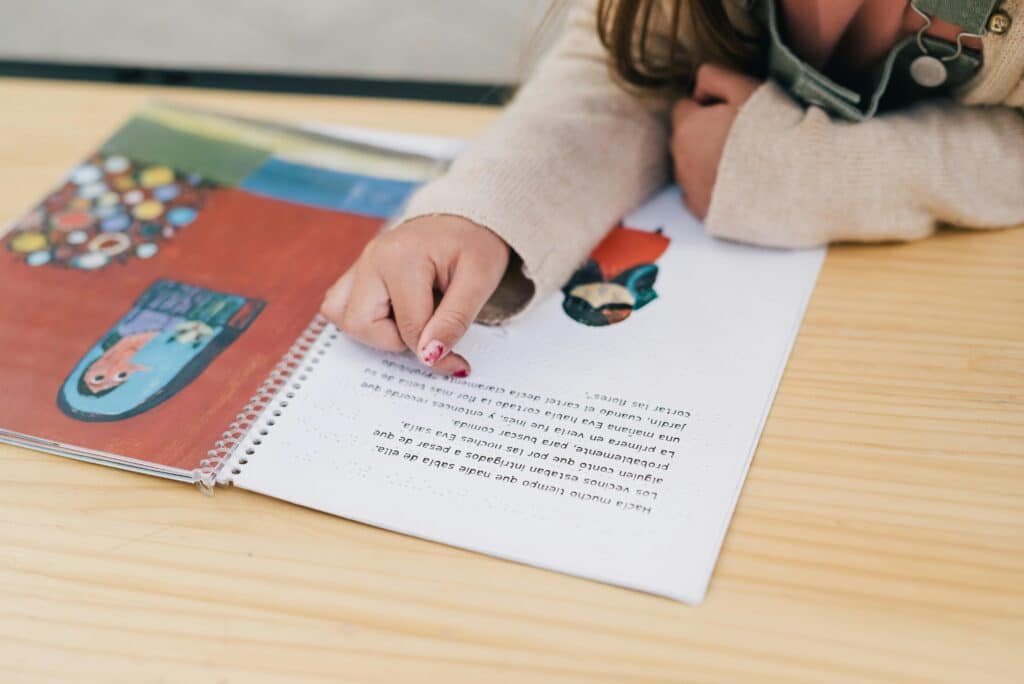


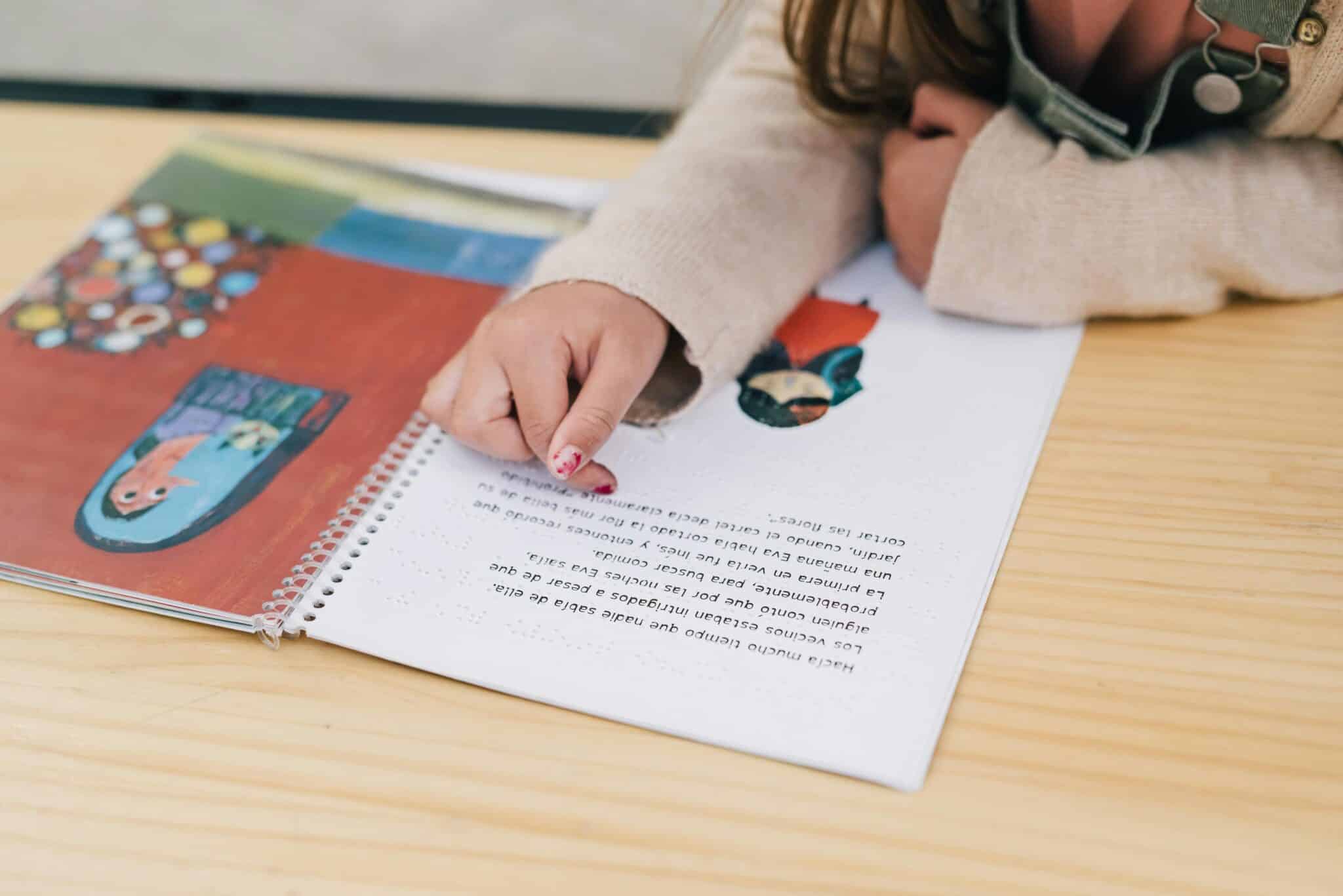
Picture this: a small hand reaching for a book with worn edges, eyes lighting up at familiar illustrations, tiny fingers tracing letters they don’t yet understand but somehow already love. This scene represents something profound—the birth of a lifelong relationship with reading. As someone who has spent years crafting narratives and exploring the depths of language, I’ve witnessed how those formative moments shape not just literacy skills, but entire worldviews.
Anúncios
The foundation of childhood literacy isn’t built in sterile classrooms or through rigid drills. Instead, it flourishes in the cozy corners where imagination meets opportunity, where curiosity is nurtured rather than forced. Understanding how to cultivate this love for reading requires us to step into the child’s world, seeing books not as educational tools but as portals to infinite possibilities.
🌱 The Magic Window: Why Early Years Matter So Much
The period from birth to age eight represents what neuroscientists call a “critical window” for language development.
Anúncios
During these years, a child’s brain forms neural connections at an astonishing rate—up to one million per second. Every word heard, every story shared, every letter traced creates pathways that will serve as the infrastructure for all future learning.
But here’s where it gets truly fascinating: children who are exposed to rich language environments don’t just learn to read earlier—they develop different relationships with reading itself. The activity transforms from a skill to be mastered into a pleasure to be savored, a tool for exploration, a companion for life’s journey.
Research shows that children who are read to regularly before kindergarten have significantly larger vocabularies and better comprehension skills. Yet the benefits extend far beyond academics. These early reading experiences build emotional intelligence, enhance creativity, and develop critical thinking skills that will serve them across all areas of life.
📚 Creating a Literary Ecosystem at Home
Think of your home as a garden where literacy can bloom. This doesn’t mean transforming your living room into a library (though that wouldn’t hurt!). Rather, it’s about making books and words an organic part of your family’s daily ecosystem.
Strategic Book Placement That Works Wonders
Children are naturally drawn to what’s accessible. Instead of keeping all books on high shelves or in closed cabinets, scatter them throughout your living spaces. A basket of board books near the play area, picture books on the coffee table, poetry collections in the kitchen—this casual availability sends a powerful message that reading is as natural as breathing.
Create what I call “reading nooks”—cozy spaces that invite lingering. A cushioned window seat, a tent made of blankets with a flashlight inside, or even just a special chair designated as the “story throne.” These physical spaces become associated with the pleasure of reading, creating positive emotional anchors.
The Power of Seeing You Read ✨
Children are master imitators. If they consistently see the adults in their lives engaged with books, magazines, or even reading on tablets, they internalize that reading is a valuable, enjoyable activity. Talk about what you’re reading. Share interesting passages. Model the joy of discovery that comes from a well-turned phrase or a compelling plot twist.
I remember working with a family where the parents instituted “silent reading hour” after dinner. Everyone—from the toddler with picture books to the parents with novels—spent time reading in the same room. The youngest child, barely three, initially just flipped through pages. Within months, he was “reading” entire stories to his stuffed animals, mimicking the intonation and enthusiasm he’d observed.
🎭 Making Letters Come Alive Through Play
The most effective early literacy instruction doesn’t feel like instruction at all. It feels like play, adventure, discovery. When learning is joyful, it sticks—not just in memory but in the heart.
Multi-Sensory Alphabet Adventures
Letters don’t need to live only on paper. Form them with playdough, trace them in sand, build them with blocks, or create them with your bodies. Bake alphabet cookies and eat them in order. Use magnetic letters on the refrigerator to spell family members’ names. Write words in shaving cream on the bathroom mirror during bath time.
Each sensory experience creates multiple memory pathways. A child who has felt the curve of the letter ‘S’ in clay, traced it with finger paint, and found it in alphabet soup has a richer, more embodied understanding than one who has simply seen it on a page.
Storytelling as a Gateway Skill
Before children can read stories, they can tell them. Encourage narrative creation through various prompts: “What do you think happened next?” “If you were this character, what would you do?” “Let’s make up a story about this toy.”
These oral storytelling experiences build crucial pre-literacy skills: understanding of narrative structure, cause and effect, character development, and the power of language to create worlds. They also boost confidence in using language creatively.
📖 Choosing Books That Captivate and Challenge
Not all books are created equal when it comes to engaging young readers. The goal is to find that sweet spot between accessible and challenging, familiar and novel, comforting and exciting.
Age-Appropriate Doesn’t Mean Boring
Board books for infants should have high-contrast images, rhythmic text, and interactive elements like textures or flaps. Toddlers benefit from simple narratives with repetitive phrases they can anticipate and “read” along with. Preschoolers can handle more complex plots, richer vocabulary, and books that introduce new concepts.
However, don’t underestimate young children’s capacity for sophisticated themes when presented appropriately. Some of the most beloved children’s books—think “Where the Wild Things Are” or “The Giving Tree”—deal with complex emotions and situations while remaining accessible.
Building a Diverse Library
Variety isn’t just the spice of life—it’s essential for literacy development. Your home collection should include:
- Fiction and non-fiction across multiple subjects
- Poetry and rhyming books that play with language sounds
- Books featuring diverse characters and cultures
- Wordless picture books that encourage narrative creation
- Concept books about numbers, colors, shapes, and emotions
- Books in different formats: pop-ups, touch-and-feel, lift-the-flap
- Stories reflecting your child’s own life and experiences
This diversity exposes children to the full range of what reading offers—information, entertainment, emotional connection, aesthetic pleasure, and more.
🌟 The Art of Reading Aloud: Techniques That Transform
Reading aloud might seem straightforward, but there’s genuine artistry in doing it well. The way you share stories can dramatically impact how children experience and internalize them.
Bringing Characters to Life
Use different voices for different characters. Vary your pacing—slow down for suspenseful moments, speed up for exciting action. Add sound effects. Whisper secrets, roar like monsters, squeak like mice. This theatrical approach transforms reading from passive listening to immersive experience.
Don’t worry about being a professional performer. Children aren’t critics—they’re your most enthusiastic audience. Your willingness to be silly and expressive gives them permission to engage fully with stories themselves.
Interactive Reading Strategies
Rather than simply reading from beginning to end, engage children as active participants. Ask predictive questions: “What do you think will happen?” Point out details in illustrations. Make connections to their own experiences: “Remember when we saw a bird like this at the park?”
For older preschoolers, occasionally let your finger follow along with the text as you read, helping them connect the spoken words with the written ones. This subtle action plants the seeds for understanding print directionality and word boundaries.
💡 Integrating Literacy Into Daily Routines
Literacy learning doesn’t require special time set aside—though dedicated reading time is valuable. Some of the most powerful learning happens organically within daily life.
Kitchen Literacy
Cooking together offers countless opportunities: reading recipes, identifying words on packages, writing shopping lists, measuring ingredients (which involves number literacy), and following sequential instructions. Let children “write” their own recipe books with drawings and scribbles that represent their culinary creations.
Environmental Print Exploration
The world is covered in text. Point out words everywhere: street signs, store logos, cereal boxes, traffic signals. Play games like “letter hunts” where you search for specific letters during car rides or walks. This helps children understand that print carries meaning and is everywhere around them.
Bedtime Routines That Reinforce Learning
The bedtime story is a sacred ritual in many families, and for good reason. The calm, intimate atmosphere creates optimal conditions for bonding and learning. But consider expanding beyond just reading books. Tell family stories, sing songs with rhyming lyrics, or create ongoing serial stories where each night adds a new chapter.
📱 Navigating Digital Tools Thoughtfully
In our technology-saturated world, the question isn’t whether children will encounter digital reading tools, but how we can guide that interaction purposefully.
Quality educational apps can supplement traditional literacy activities when chosen carefully. Look for apps that encourage interaction rather than passive consumption, that adapt to the child’s skill level, and that emphasize creativity and problem-solving.
However, digital tools should complement, not replace, physical books and human interaction. The tactile experience of turning pages, the absence of distracting notifications, and the focused attention of a parent reading aloud cannot be replicated by even the best app.
Set clear boundaries around screen time, and when you do use digital literacy tools, engage with them together. Ask questions, discuss what you’re seeing, and make it an interactive experience rather than parking the child in front of a device.
🎨 Writing Before Writing: Pre-Literacy Mark-Making
Reading and writing develop in tandem, each reinforcing the other. Long before children can form proper letters, they can engage in meaningful mark-making that builds the foundations for writing.
Provide abundant opportunities for drawing, scribbling, and experimental writing. Keep art supplies accessible—crayons, markers, chalk, pencils. Celebrate their “writing” even when it’s just scribbles. “Tell me about what you wrote” validates their efforts and reinforces that marks on paper communicate meaning.
As fine motor skills develop, introduce activities that strengthen the hand muscles needed for writing: playing with playdough, using tweezers or tongs to pick up small objects, stringing beads, or using scissors. These seemingly unrelated activities build the physical capability required for letter formation.
🌈 When Challenges Arise: Supporting Struggling Learners
Not every child follows the same literacy timeline, and that’s perfectly normal. Some children seem to absorb letters and sounds effortlessly, while others need more time and support. Both paths are valid.
If you notice your child consistently struggling or showing signs of frustration, avoid comparing them to peers or pushing too hard. Instead, focus on making reading pressure-free and pleasurable. Sometimes taking a step back and simply enjoying stories together without any instructional agenda is exactly what’s needed.
Trust your instincts. If concerns persist, consult with pediatricians or early childhood specialists who can assess whether additional support might be beneficial. Early intervention for genuine difficulties makes a significant difference, but so does distinguishing between a child who needs extra help and one who simply develops on a different schedule.
💫 Celebrating Small Victories and Maintaining Momentum
Every tiny step in the literacy journey deserves recognition. The first time a child recognizes a letter in a new context, identifies a word independently, or chooses to look at books during free play—these moments matter.
Create rituals around literacy achievements. Maybe you add a star to a chart each time you finish a book together, or you have a special celebration when your child reads their first word. These celebrations shouldn’t feel like pressure but rather acknowledgment of growth.
Remember that literacy development isn’t linear. There will be plateaus, regressions, and sudden leaps forward. A child who was obsessed with books last month might ignore them this month in favor of building blocks or pretend play. This is normal and healthy. Forced reading creates resistance; patient availability creates readers.
🏆 The Long View: Building Readers for Life
Ultimately, our goal isn’t just teaching children to decode words on a page. We’re nurturing humans who turn to books for comfort, who seek out stories for pleasure, who use reading as a tool for learning and growth throughout their lives.
This means prioritizing joy and curiosity over drills and benchmarks, especially in these early years. A child who reaches kindergarten knowing all their letters but hating books has been poorly served. A child who arrives enthusiastic about stories, curious about words, and confident in their ability to learn has been given an incomparable gift.
The love of reading you cultivate now will ripple through your child’s entire life, influencing their education, career, relationships, and inner world. Books become faithful companions, sources of wisdom, windows into experiences they’ll never have, and mirrors reflecting their own humanity back to them.
So be patient with the process. Read the same book seventeen times in a row if that’s what your child wants. Let them hold the book upside down and “read” in their own language. Celebrate the backwards letters and phonetic spellings. Answer the endless questions. Make up silly songs about consonants. Turn off the phone and surrender fully to story time.
These moments—sitting together with books, exploring language, sharing in the magic of narrative—are shaping more than literacy skills. They’re building a foundation of connection, curiosity, and love that will support your child through every chapter of their unfolding story. And isn’t that, after all, what all the best stories do? They remind us that we’re not alone, that the world is full of wonder, and that there’s always another page to turn, another adventure waiting just beyond the words.
