
Anúncios
Zumba has revolutionized the fitness world by blending high-energy dance moves with cardiovascular exercise, creating a joyful path to better health and wellness.
When you think about working out, what comes to mind? Treadmills, weight lifting, or perhaps yoga stretches? While these traditional forms of exercise certainly have their place, there’s something uniquely powerful about moving your body to infectious Latin rhythms while torching calories and building strength. That’s exactly what Zumba offers—a fitness experience that doesn’t feel like punishment but rather like a celebration.
Anúncios
Since its accidental creation in the 1990s by Colombian dancer and choreographer Alberto “Beto” Pérez, Zumba has grown into a global phenomenon embraced by millions. The concept is brilliantly simple: combine dance movements inspired by salsa, merengue, cumbia, reggaeton, and other international music styles with interval training principles. The result? A full-body workout that improves cardiovascular health, builds endurance, and lifts your spirits—all without feeling like traditional exercise. 💃
The Science Behind the Dance: How Zumba Transforms Your Body
Zumba isn’t just about having fun—though that’s certainly a major component. The physical benefits are backed by solid scientific research. During a typical one-hour Zumba class, participants can burn between 400 to 600 calories, depending on intensity level, body composition, and individual effort. This calorie expenditure rivals traditional cardio workouts like running or cycling, but with significantly more enjoyment for many people.
Anúncios
The workout incorporates principles of interval training, alternating between high-intensity bursts and moderate recovery periods. This approach has been shown to improve cardiovascular fitness more effectively than steady-state cardio. Your heart rate elevates during fast-paced salsa segments, then recovers slightly during slower merengue sequences, creating the perfect formula for cardiovascular conditioning.
Beyond cardiovascular benefits, Zumba engages multiple muscle groups simultaneously. The dance movements strengthen your core, legs, glutes, and arms while improving flexibility and coordination. The constant directional changes and rhythmic patterns enhance proprioception—your body’s ability to sense its position in space—which becomes increasingly important as we age.
Mental Health Benefits That Go Beyond the Physical 🧠
The connection between physical movement and mental wellness is well-documented, and Zumba exemplifies this relationship beautifully. The combination of music, movement, and social interaction creates a powerful cocktail of mood-boosting chemicals in your brain. During exercise, your body releases endorphins—natural painkillers that create feelings of euphoria often called the “runner’s high.”
But Zumba takes this further. The musical component activates reward centers in the brain, while the social aspect of group classes combats loneliness and builds community. Research published in the American Journal of Health Behavior found that participants in dance-based fitness programs reported significantly lower stress levels and improved self-esteem compared to those in traditional exercise programs.
The dance element also requires cognitive engagement. Learning choreography, remembering sequences, and coordinating movements with music all stimulate neuroplasticity—the brain’s ability to form new neural connections. This cognitive stimulation may help protect against age-related cognitive decline and improve memory function.
Accessibility for Every Body and Every Age
One of Zumba’s greatest strengths is its inclusive nature. Unlike many fitness programs that require specific skill levels or physical capabilities, Zumba welcomes everyone. The basic principle is simple: move to the music in whatever way feels good for your body. There’s no right or wrong way to Zumba—only your way.
Instructors typically offer modifications for different fitness levels within the same class. If high-impact jumps aren’t suitable for your joints, you can march in place instead. If complex arm movements feel overwhelming, you can simplify them. This adaptability makes Zumba appropriate for teenagers, seniors, pregnant women (with medical clearance), and people recovering from injuries.
The program has also diversified to serve specific populations. Zumba Gold caters to older adults and beginners with gentler movements and slower tempos. Aqua Zumba takes the party to the pool, providing resistance training with reduced joint impact. Zumba Toning adds lightweight maraca-like toning sticks to sculpt and strengthen. Strong Nation (formerly Strong by Zumba) focuses on high-intensity interval training with music specifically engineered to match every squat, lunge, and burpee. ✨
Building Community Through Shared Movement
Humans are inherently social creatures, and isolation can seriously impact our health and wellbeing. Zumba classes create instant communities where people from diverse backgrounds unite through a shared love of music and movement. The group environment provides accountability—you’re more likely to show up when you know your classmates will notice your absence.
Many participants report that their Zumba class becomes the highlight of their week, not just for the physical workout but for the social connection. Friendships formed in these classes often extend beyond the studio, creating support networks that enhance overall quality of life. In an increasingly digital world where genuine human connection can feel scarce, this community aspect shouldn’t be underestimated.
Practical Tips for Getting Started with Zumba
Ready to experience the Zumba phenomenon for yourself? Here’s how to begin your journey toward better health through dance:
- Find the right class: Look for licensed Zumba instructors at local gyms, community centers, or dedicated dance studios. Most facilities offer trial classes so you can test the waters before committing.
- Wear comfortable clothing: Choose breathable, moisture-wicking fabrics that allow full range of motion. Avoid overly loose clothing that might tangle during spins and turns.
- Invest in proper footwear: Cross-training or dance sneakers with good lateral support work best. Avoid running shoes, which are designed for forward motion and may grip too much during pivots.
- Hydrate properly: Drink water before, during, and after class. The energetic nature of Zumba means you’ll sweat significantly.
- Start at your own pace: Don’t worry about getting every move perfect on day one. Focus on moving continuously and enjoying the music—precision will come with practice.
- Listen to your body: While Zumba should challenge you, it shouldn’t cause pain. Modify movements as needed and take breaks when necessary.
Creating Your Home Zumba Practice 🏠
Can’t make it to a studio? No problem. Technology has made Zumba more accessible than ever. Official Zumba apps and online platforms offer extensive libraries of classes you can take anytime, anywhere. This flexibility is perfect for busy schedules, remote locations, or those who prefer privacy while learning new moves.
When creating a home practice space, you don’t need much—just enough room to move freely in all directions. A living room with furniture pushed aside works perfectly. Good speakers or headphones enhance the musical experience, and a mirror helps you check your form (though it’s certainly not required).
The key to maintaining a home practice is scheduling it like any other important appointment. Choose specific days and times, and treat them as non-negotiable. Many people find that morning Zumba sessions energize their entire day, while evening classes help release work-related stress.
Nutrition and Recovery: Supporting Your Zumba Journey
Exercise is only one component of wellness—what you eat and how you recover matter tremendously. To maximize the benefits of your Zumba practice, consider these nutritional guidelines:
Before class, eat a light snack containing easily digestible carbohydrates about 30-60 minutes beforehand. A banana, apple slices with almond butter, or a small handful of crackers provides quick energy without causing digestive discomfort during all those hip movements and jumps.
After class, your body needs both protein and carbohydrates to repair muscles and replenish energy stores. A balanced meal or snack within two hours of finishing helps optimize recovery. Think Greek yogurt with berries, a turkey sandwich on whole grain bread, or a smoothie with protein powder and fruit. 🥤
Hydration deserves special attention. Beyond water during class, consider your overall daily fluid intake. The general recommendation is roughly half your body weight in ounces of water daily—more if you’re exercising intensely or living in hot climates.
Rest and Recovery Are Part of the Process
Enthusiasm for Zumba sometimes leads people to attend multiple classes daily, but your body needs recovery time to adapt and strengthen. Most fitness experts recommend 2-4 Zumba sessions weekly for optimal results without overtraining risk. On non-Zumba days, consider complementary activities like yoga, strength training, or leisurely walks.
Quality sleep is perhaps the most underrated component of fitness success. During sleep, your body repairs muscle tissue, consolidates motor learning (like those new dance sequences), and regulates hormones that control appetite and energy. Aim for 7-9 hours of quality sleep nightly to support your wellness goals.
Long-Term Wellness: Making Zumba a Lifestyle
The true power of Zumba lies not in any single session but in its sustainability as a long-term wellness practice. Unlike punishment-based fitness approaches that people abandon after weeks or months, Zumba’s joyful nature makes consistency easier. When exercise feels like celebration rather than obligation, you’re far more likely to maintain it for years.
As you progress in your Zumba journey, you’ll likely notice changes beyond the physical. Many practitioners report increased confidence that extends into other life areas. The courage required to move your body freely in front of others translates into greater willingness to take healthy risks elsewhere. The discipline of regular attendance builds self-trust and follow-through skills applicable to any goal.
Consider tracking your progress not just through traditional metrics like weight or measurements, but through qualitative observations. How do you feel during and after class? Are you sleeping better? Do you have more energy throughout your day? Are you more patient with challenging situations? These subjective improvements often matter more than any number on a scale. 📊
Expanding Your Dance Fitness Horizons
Once Zumba becomes part of your routine, you might feel inspired to explore related dance fitness formats. Bollywood-inspired classes offer energetic movements from Indian cinema. Afrobeat classes celebrate African dance traditions. Latin Dance Cardio focuses specifically on partnered Latin styles like bachata and salsa. Each variation provides similar cardiovascular benefits while exposing you to different cultural expressions through movement.
Some Zumba enthusiasts even pursue instructor certification, transforming their personal practice into an opportunity to serve others. Becoming a licensed instructor requires training, but it’s achievable for dedicated students regardless of dance background. Sharing the gift of joyful movement with your community creates profound fulfillment that extends far beyond personal fitness goals.
Overcoming Common Obstacles and Misconceptions
Despite Zumba’s accessibility, certain barriers prevent people from trying it. Let’s address the most common concerns:
“I have no rhythm or dance experience.” This is perhaps the most frequent objection, and it’s completely understandable. Here’s the truth: Zumba doesn’t require dance training or natural rhythm. The repetitive nature of choreography means you’ll learn through exposure. Even if you never perfectly match the instructor, continuous movement to music still delivers all the health benefits. Remember, everyone in that room was once a beginner too.
“I’m too out of shape to start.” Zumba meets you where you are. Start with beginner or Zumba Gold classes designed for fitness newbies. Take breaks whenever needed. March in place instead of jumping. The beautiful thing about Zumba is that any movement counts—there’s no fitness threshold you must reach before beginning.
“I’m too old for this.” Age is genuinely just a number in Zumba classes. Participants range from teenagers to octogenarians, all moving together. Zumba Gold specifically serves active older adults, with modifications for joint health and balance. Studies show that dance-based exercise may actually be one of the best activities for healthy aging, protecting cognitive function and maintaining independence. 👵👴
“I don’t want to exercise in public.” If group classes feel intimidating, start with home practice using apps or online videos. As your confidence builds, you might feel comfortable joining a class—or you might happily maintain your solo practice forever. Both approaches deliver health benefits.
The Cultural Richness of Zumba Music
Part of Zumba’s appeal lies in its musical diversity. Classes introduce participants to sounds from around the globe, creating cultural appreciation through embodied experience. Traditional salsa from Cuba, cumbia from Colombia, merengue from the Dominican Republic, reggaeton from Puerto Rico, flamenco from Spain, and Bollywood from India—all find expression in Zumba choreography.
This musical variety prevents boredom while educating participants about global cultures. Many people discover new favorite artists or musical genres through their Zumba practice. Some instructors provide cultural context about the dances, deepening appreciation for the movements beyond mere exercise.
The global nature of Zumba music also makes classes universally accessible. Language becomes irrelevant when everyone communicates through movement. This creates uniquely inclusive spaces where diverse populations unite through rhythm and joy.
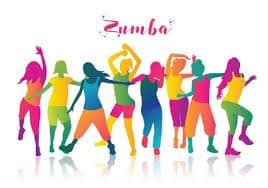
Your Invitation to Dance Toward Wellness 🌟
Wellness doesn’t require suffering. It doesn’t demand hours on machines you hate or restrictive diets that eliminate joy. Sustainable health comes from finding activities that nourish both body and spirit—and for millions worldwide, Zumba provides exactly that combination.
The journey toward better health through Zumba begins with a single decision: to try something new, to move your body with joy, to connect with others through shared rhythm. Whether you’re seeking weight management, cardiovascular health, stress relief, social connection, or simply more fun in your life, Zumba offers a proven path forward.
The music is waiting. The community is welcoming. Your body is ready—exactly as it is right now. All that remains is taking that first step onto the dance floor, literal or figurative, and allowing yourself to experience fitness as celebration. Your health and happiness deserve nothing less than an approach that honors both your physical needs and your inherent desire for joy.
So put on comfortable shoes, find a class or video that speaks to you, and let the rhythm guide you toward the vibrant health you deserve. The Zumba community is ready to welcome you with open arms and infectious energy. Your wellness journey is about to get a whole lot more enjoyable. 💪🎶
