
Anúncios
# HTML Article
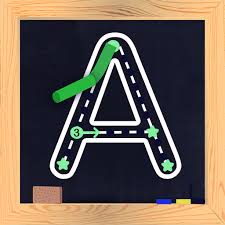


Learning to read and write at home is not only possible but can be deeply rewarding for both children and adults. With just a few minutes each day and the right strategies, you can transform lives without stepping outside your door.
Anúncios
The journey of literacy doesn’t have a strict age limit or a single correct path. Whether you’re helping your child discover the magic of letters or supporting an adult who missed formal education, home-based learning offers flexibility, privacy, and personalized pacing that traditional classrooms often can’t provide.
What makes home learning particularly powerful is consistency over intensity. You don’t need hours of exhausting study sessions. Instead, dedicating 15 to 30 minutes daily with focused, engaging activities creates neural pathways that strengthen over time. This approach respects the learner’s energy levels while building sustainable habits that lead to lasting literacy skills.
Anúncios
🏠 Creating Your Home Learning Space
Before diving into methods and techniques, establishing a dedicated learning environment sets the foundation for success. This doesn’t require a full classroom setup—just a comfortable, distraction-free corner where reading and writing become pleasant activities rather than chores.
Choose a spot with good lighting, preferably natural light. Keep essential materials within reach: pencils, erasers, paper, colorful markers, and a few age-appropriate books. For digital learners, ensure devices are charged and apps are ready before each session to avoid interruptions that break concentration.
The psychological impact of a consistent learning space shouldn’t be underestimated. When learners sit in the same spot daily, their brains begin associating that location with focus and discovery. This mental trigger helps even reluctant learners transition into learning mode more smoothly.
✍️ Starting With the Basics: Letter Recognition
For complete beginners, whether children or adults, letter recognition forms the absolute foundation. This stage isn’t about reading yet—it’s about making friends with the alphabet.
Start by introducing three to five letters at a time. Choose letters that appear frequently in everyday words: A, E, S, T, and O make excellent starting points. Write each letter clearly in both uppercase and lowercase forms. Trace them with your finger, saying the letter name aloud while tracing.
Multisensory approaches dramatically improve retention. Try these engaging methods:
- Form letters using playdough, clay, or even shaving cream on a table
- Draw giant letters in sand, rice, or flour spread on a tray
- Use textured materials like sandpaper letters for tactile learning
- Hunt for specific letters in magazines, newspapers, or product labels around the house
- Create letter collages using items that start with that letter
For adult learners who might feel embarrassed about starting from scratch, frame these activities as skill-building exercises rather than childish games. The same neural mechanisms apply regardless of age—engaging multiple senses creates stronger memory pathways.
🔤 Phonics: Connecting Sounds to Symbols
Once letter recognition feels comfortable, the next breakthrough happens when learners understand that letters represent sounds. This phonetic awareness transforms abstract symbols into tools for communication.
Begin with consonants that make consistent sounds: B, D, F, M, N, P, T. These letters generally produce the same sound regardless of context, making them less confusing for beginners. Practice the sound (not the letter name) repeatedly.
Then introduce short vowel sounds, starting with words that follow simple consonant-vowel-consonant patterns: cat, dog, sun, pen, hit. These three-letter words provide immediate success experiences that build confidence.
Dynamic activities for phonics practice include:
- Sound scavenger hunts: “Find three things in the kitchen that start with /b/”
- Rhyme time games: listing words that sound similar at the end
- Clapping syllables in familiar words to understand word structure
- Using mirrors to watch mouth movements while making different sounds
- Creating silly sentences where every word starts with the same sound
📱 Leveraging Technology for Literacy
Modern learners have access to tools that previous generations could never imagine. Educational apps transform literacy practice into interactive experiences that adapt to individual progress levels.
Quality literacy apps provide immediate feedback, track progress, and adjust difficulty automatically. They remove the pressure of performing in front of others, which particularly benefits shy children and adults who feel self-conscious about their reading level.

When selecting digital tools, look for programs that balance fun with educational rigor. The best applications incorporate game-like elements without sacrificing learning objectives. They should offer clear pronunciation guides, visual demonstrations, and progressive challenges that grow with the learner.
However, technology should complement rather than replace human interaction. Combine app-based practice with verbal discussions, handwritten work, and real-world reading opportunities for comprehensive literacy development.
✏️ Writing Practice That Doesn’t Feel Like Work
Reading and writing develop together, each skill reinforcing the other. But traditional writing exercises can feel tedious, especially for learners who struggle with fine motor control or haven’t held a pencil in years.
Start with large-scale movements before expecting neat handwriting. Let beginners write with their whole arm on large surfaces like whiteboards, chalkboards, or poster paper. This builds muscle memory without the frustration of trying to control tiny letters on lined paper.
Progress through these writing stages naturally:
- Tracing thick, dotted letters with fingers first, then crayons or markers
- Copying simple words from a model placed nearby
- Writing from dictation (someone says a word, learner writes it)
- Composing short sentences about personal interests or daily experiences
- Keeping a simple journal with drawings and labels
For adults, journaling becomes particularly powerful. Writing about real experiences, thoughts, and goals makes literacy immediately relevant. Even spelling mistakes don’t matter initially—the goal is connecting written language to authentic communication.
📚 Building Reading Fluency Step by Step
Fluency means reading smoothly, with appropriate speed and expression. It’s the bridge between decoding individual words and actually understanding stories or information.
Select reading materials carefully based on current ability. The text should contain mostly familiar words with just a few challenging ones. If a learner struggles with more than one word per ten, the material is too difficult and may cause frustration rather than growth.
Repeated reading of the same text dramatically improves fluency. This might seem boring, but it works. Each reading becomes smoother as word recognition becomes automatic. Choose engaging texts that learners actually want to revisit—funny poems, interesting facts, or stories with personal relevance.
Try these fluency-building techniques:
- Echo reading: experienced reader reads a sentence, learner repeats it
- Choral reading: read together simultaneously, which supports struggling readers
- Partner reading: take turns reading paragraphs or pages
- Recorded reading: learner records themselves and listens back, noting improvements
- Reader’s theater: act out simple scripts with expression and emotion
🎯 Strategic Time Management for Daily Practice
Consistency matters more than duration. A focused 15-minute session daily produces better results than sporadic hour-long marathons that leave everyone exhausted and resistant to future practice.
Identify the best time of day when energy and focus are highest. For children, this might be mid-morning after breakfast but before physical play. For working adults, early morning before other responsibilities intrude often works best. Protect this time as you would any important appointment.
Structure each session with predictable components that create comfortable routines:
- 2-3 minutes: warm-up with letter or sound review
- 5-7 minutes: new content or skill introduction
- 5-7 minutes: hands-on practice or reading
- 2-3 minutes: cool-down with a game or favorite activity
This structure prevents burnout while ensuring comprehensive skill coverage. The familiar pattern also reduces anxiety about what comes next, allowing learners to focus on content rather than procedure.
🎨 Making Learning Dynamic and Engaging
Passive learning rarely sticks, especially for literacy skills that require active practice. Transform study sessions into interactive experiences that engage emotions and creativity alongside cognitive skills.
Incorporate movement whenever possible. Jump while saying letter sounds, hop to spell words, or create letter shapes with your whole body. Physical activity increases blood flow to the brain and helps kinesthetic learners grasp concepts that seem abstract when sitting still.
Games disguise practice as play, reducing resistance and increasing motivation. Simple card games like matching uppercase to lowercase letters, memory games with word pairs, or board games where advancing requires reading instructions all strengthen literacy while creating positive associations.
Personalization makes content meaningful. If a child loves dinosaurs, use dinosaur names for reading practice. If an adult enjoys cooking, work with recipes. When learners see literacy as a tool to access topics they genuinely care about, motivation becomes intrinsic rather than externally imposed.
👨👩👧👦 Teaching Adults Versus Teaching Children
While the fundamental literacy skills remain the same, teaching approaches must adapt to the learner’s age, experiences, and psychological needs.
Children approach learning with natural curiosity but shorter attention spans. They benefit from colorful materials, frequent activity changes, and playful approaches. Praise effort and persistence rather than just correct answers to build resilience.
Adult learners bring life experience and motivation but may carry shame or anxiety about their literacy level. They need reassurance that learning at any age is possible and admirable. Use materials relevant to adult life—job applications, news articles, family communications—rather than children’s books which might feel condescending.
Adults often learn faster than children once they commit because they understand why literacy matters and can connect new information to existing knowledge frameworks. However, they may also resist methods that feel too “schoolish” if previous educational experiences were negative.
| Aspect | Children | Adults |
|---|---|---|
| Motivation | External (pleasing parents/teachers) | Internal (personal goals, employment) |
| Attention span | Shorter (10-20 minutes) | Longer but requires breaks |
| Best materials | Stories, songs, colorful visuals | Functional texts, real-world content |
| Emotional needs | Playfulness and encouragement | Dignity and respect |
| Learning pace | Gradual, developmental | Can be faster with focused practice |
📖 Choosing the Right Reading Materials
Not all books serve literacy development equally well. Decodable readers—books specifically designed with controlled vocabulary matching phonics skills—provide appropriate challenge for beginners.
As skills progress, gradually introduce authentic literature. For children, look for award-winning picture books with engaging illustrations that support text comprehension. For adults, find high-interest, low-level readers covering topics like biographies, current events, or practical how-to guides.
Libraries offer incredible free resources, and many now provide digital lending, making access even easier from home. Don’t overlook environmental print around your house—cereal boxes, street signs visible from windows, mail, and product labels all provide authentic reading opportunities.
Create a small home library tailored to the learner’s interests and level. Ownership of books increases engagement and allows for the repeated readings that build fluency.
💪 Overcoming Common Challenges and Plateaus
Every literacy journey encounters obstacles. Recognizing common challenges helps you address them strategically rather than interpreting them as failure.
Letter reversals (b/d, p/q) are extremely common and usually resolve with maturity and practice. Use multisensory techniques and mnemonic devices rather than corrections that create anxiety.
Motivation dips happen, especially when progress slows after initial rapid gains. Combat this by varying activities, celebrating small wins, and connecting literacy to real rewards like choosing a family movie by reading descriptions or ordering from a menu independently.
Some learners hit plateaus where progress seems to stall. This often means the brain is consolidating previous learning before the next breakthrough. Continue consistent practice without increasing pressure, and trust the process.
Learning differences like dyslexia require specialized approaches but don’t prevent literacy acquisition. If progress seems unusually slow despite consistent effort, consider consulting a literacy specialist who can assess specific needs and recommend targeted strategies.
🌟 Celebrating Progress and Building Confidence
Confidence transforms struggling readers into capable ones. Document progress through photos, saved writing samples, or reading logs that show how far you’ve come.
Celebrate milestones meaningfully—finishing a first book independently, writing a complete sentence without help, or recognizing all letters consistently. These achievements deserve recognition, whether through a special treat, certificate, or simply enthusiastic acknowledgment.
Help learners see themselves as readers and writers by providing authentic opportunities to use these skills. Children can read bedtime stories to younger siblings or stuffed animals. Adults might write shopping lists, text messages, or social media posts.
Public displays of literacy—like refrigerator galleries of written work or bookshelf displays of completed books—remind everyone that these skills are valued and worth the ongoing effort.
🚀 From Home Learning to Lifelong Literacy
The goal isn’t just decoding words on pages but developing a positive relationship with reading and writing that lasts beyond initial instruction.
Model literacy in daily life. Let learners see you reading for pleasure and purpose, writing notes, and using text to solve problems. This demonstrates that literacy isn’t just a school skill but a life tool.
Visit bookstores or libraries together when possible, treating these outings as adventures rather than errands. Allow learners to choose books based on interest, even if they seem slightly challenging—motivation often compensates for difficulty.
Connect with communities of readers, whether through online book clubs, library programs, or family reading challenges. Literacy becomes more meaningful when shared socially rather than practiced in isolation.
🎁 The Transformation Just Minutes Can Bring
The promise of home-based literacy instruction isn’t that it’s easy—it requires commitment, patience, and strategic effort. But it’s absolutely achievable, and the rewards extend far beyond reading and writing skills.
Learners gain independence, accessing information and entertainment previously locked behind the barrier of text. Self-esteem grows as they master skills that seemed impossibly difficult. Opportunities expand in education, employment, and personal growth.
Those few minutes daily compound into life-changing capability. Whether you’re teaching a preschooler their first letters, helping a teenager who struggled in school, or supporting an adult claiming the literacy they were denied earlier, you’re participating in one of the most profound transformations possible.
The journey begins with a single letter, a single word, a single day of practice. From that small start, entire worlds of meaning, story, and expression open. You don’t need a teaching degree or expensive materials—just consistency, creativity, and belief that literacy belongs to everyone, regardless of age or starting point.
Start today. Choose one strategy from this guide. Dedicate your first 15 minutes. Watch as those small investments of time create changes that ripple through every area of life. The power of literacy awaits, right there in your home, just minutes away from beginning. 📚✨
