Anúncios
# GPS Map Camera: Unlocking All the Benefits


In today’s digital age, capturing moments with precise location data has become essential for professionals and enthusiasts alike, transforming how we document our world.
Anúncios
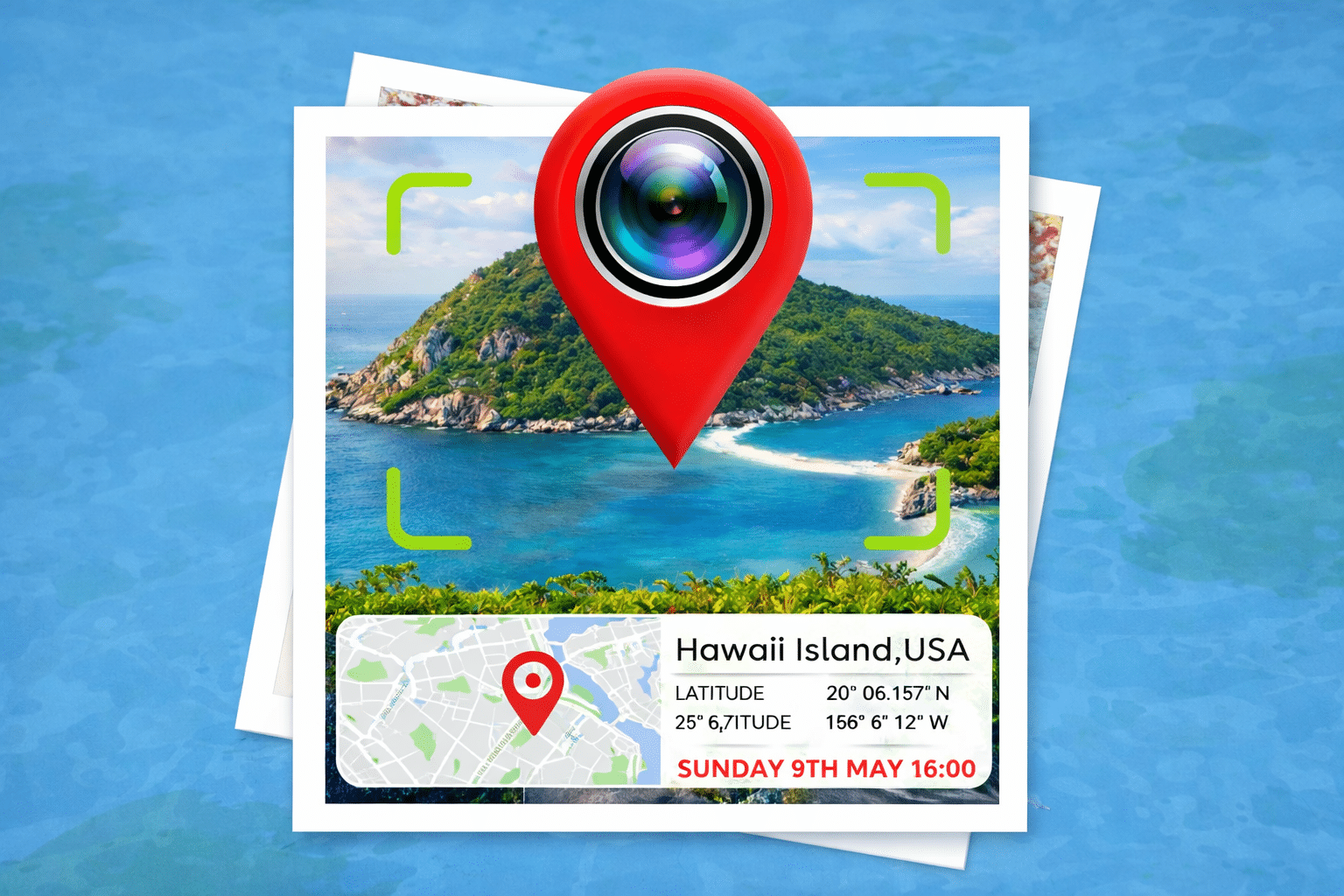
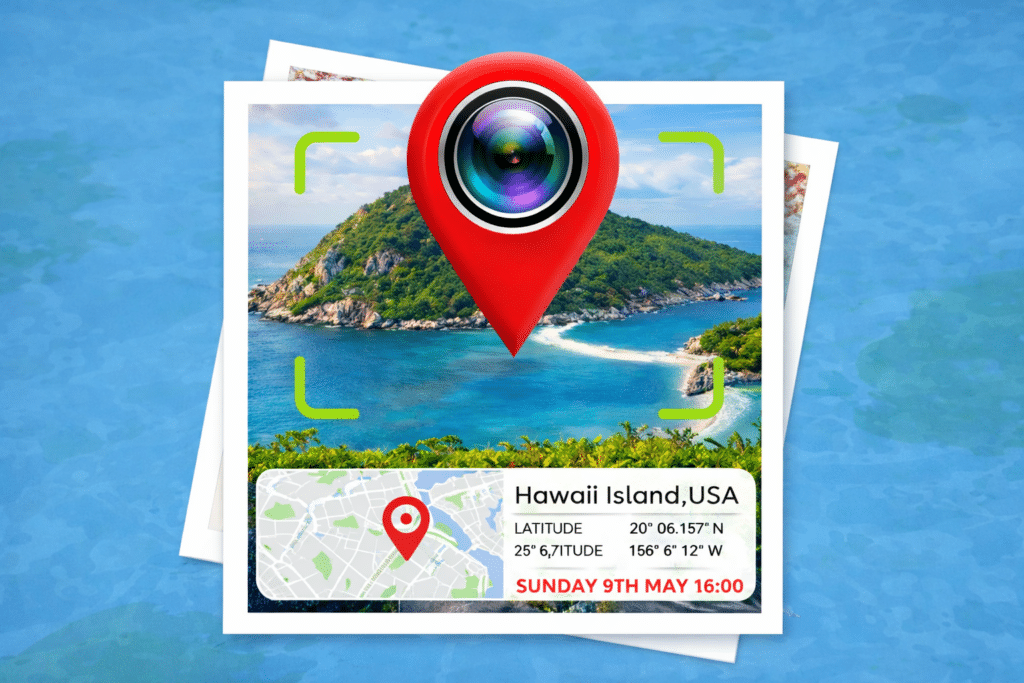
GPS Map Camera applications have revolutionized the way we take photographs by embedding geographic coordinates, timestamps, and location details directly onto images. This technology bridges the gap between visual documentation and spatial intelligence, creating a powerful tool for countless applications across various industries and personal projects.
Whether you’re a construction manager documenting job sites, a real estate agent showcasing properties, or an adventure enthusiast recording your travels, GPS map camera technology offers unprecedented accuracy and verification. Let’s explore the comprehensive benefits that make these applications indispensable in our increasingly location-aware world. 📍
Anúncios
Enhanced Professional Documentation and Accountability
For professionals across multiple industries, GPS map camera apps provide an invaluable layer of verification and transparency. Construction managers can timestamp every phase of a building project with exact coordinates, creating an irrefutable record of progress. This documentation proves essential when dealing with contractors, clients, or regulatory authorities who need concrete evidence of completed work.
Field service technicians benefit enormously from geotagged photos that confirm their presence at specific locations during maintenance calls or installations. Insurance adjusters can document accident scenes or property damage with precise location stamps that eliminate disputes about where incidents occurred. The time-stamped coordinates serve as digital witnesses that protect both service providers and clients.
Engineering firms and surveyors utilize GPS camera technology to create detailed visual records linked to exact geographic positions. This integration of photography with spatial data eliminates manual note-taking errors and ensures that every measurement, observation, or site condition is tied to its precise location on Earth. 🏗️
Real Estate and Property Management Advantages
Real estate professionals have discovered that GPS map camera apps transform how they market and document properties. Each listing photo can automatically include the property’s exact address, coordinates, and even directional information, providing potential buyers with comprehensive location context beyond what traditional photos offer.
Property inspectors create detailed visual inventories with embedded location data, making it easy to organize photos from multiple properties and reference specific areas within large estates or commercial complexes. Landlords and property managers document pre-move-in and post-move-out conditions with indisputable timestamp evidence, reducing security deposit disputes.
The ability to show prospective tenants or buyers the exact proximity to amenities, transportation, or landmarks through geotagged images adds a persuasive dimension to marketing materials. Properties can be showcased not just for their features but also for their strategic location advantages.
Travel Documentation and Adventure Tracking
Adventure seekers and travel enthusiasts have embraced GPS map camera technology as the ultimate way to chronicle their journeys. Every sunset, landmark, and hidden gem gets automatically tagged with coordinates that allow you to revisit locations years later or share exact spots with fellow travelers. ✈️
Hikers and outdoor explorers use geotagged photos as digital breadcrumbs, documenting trails, water sources, camping spots, and points of interest. This creates a visual GPS log that’s far more engaging and memorable than simple coordinate lists. If you discover an incredible viewpoint or secret waterfall, you’ll have the exact coordinates embedded in your photo.
Travel bloggers and content creators leverage location-stamped images to provide followers with actionable information about where photos were taken. This transparency builds trust and offers genuine value to audiences seeking to replicate experiences or plan their own adventures based on your documented travels.
Legal Evidence and Compliance Benefits
In our increasingly litigious society, having verifiable proof of location and time can be legally invaluable. GPS map camera applications create admissible evidence that courts and legal authorities recognize because the metadata is embedded directly into image files and often difficult to manipulate without detection.
Law enforcement officers document crime scenes, traffic accidents, and evidence collection with geotagged photos that establish chain of custody and location verification. Environmental inspectors record violations, contamination sites, or compliance issues with timestamp and coordinate data that withstand legal scrutiny.
Workplace safety documentation becomes more robust when incident photos include precise location stamps showing where accidents occurred within facilities. This helps companies demonstrate compliance with safety protocols and provides clear records for insurance claims or regulatory investigations. ⚖️
Scientific Research and Environmental Monitoring
Researchers conducting field studies benefit tremendously from GPS camera technology that automatically catalogs observations with spatial coordinates. Biologists tracking wildlife, botanists documenting plant species, or geologists examining rock formations can create organized visual databases where every image is precisely located.
Environmental monitoring projects use geotagged photography to track changes in ecosystems, coastal erosion, deforestation, or urban development over time. The embedded coordinates allow researchers to return to exact locations for longitudinal studies, ensuring consistency in data collection across months or years.
Citizen science initiatives leverage GPS camera apps to crowdsource environmental observations, with volunteers documenting everything from bird species to pollution incidents. The location verification ensures data quality and allows scientists to map phenomena with unprecedented geographic detail. 🌍
Enhanced Social Media and Content Sharing
Modern social media users appreciate the storytelling enhancement that location data brings to their content. GPS map camera apps allow you to create visually rich posts that show not just what you experienced but exactly where it happened, adding context and authenticity to your digital narrative.
Influencers and content creators use geotagged images to build credibility and provide value to followers. When you share a stunning restaurant meal, breathtaking view, or interesting street art with precise location information, you’re offering practical guidance rather than just aesthetic content.
The ability to organize personal photo libraries geographically transforms how we remember and share experiences. Instead of endless scrolling through chronological feeds, you can revisit memories by location, creating virtual maps of your life experiences that show everywhere you’ve been and what you saw there. 📱
Business Operations and Asset Management
Companies with distributed operations or extensive physical assets use GPS camera technology for inventory management and asset tracking. Facility managers photograph equipment installations with embedded location data, creating searchable databases that show exactly where each asset is positioned.
Delivery and logistics companies document proof of delivery with geotagged photos showing packages at specified addresses. This eliminates disputes about whether items were delivered to correct locations and provides customers with verifiable confirmation.
Retail chains conducting store audits, merchandising compliance checks, or competitive intelligence gathering use GPS camera apps to organize thousands of photos across multiple locations. The embedded coordinates automatically categorize images by store location without manual data entry.
Emergency Response and Disaster Documentation
First responders and emergency management personnel rely on GPS camera applications during crisis situations. Firefighters document building layouts, hazards, and access points with location stamps that help coordinate multi-unit responses. Emergency medical technicians capture accident scene details with precise coordinates for medical records and insurance documentation. 🚨
Disaster assessment teams surveying hurricane damage, earthquake destruction, or flood impacts use geotagged photography to create comprehensive damage maps. The location data allows relief organizations to prioritize resources and target assistance where it’s needed most based on visual evidence tied to specific addresses.
Search and rescue operations benefit from location-stamped photos that document search patterns, found evidence, or terrain obstacles. Teams can share visual information with precise coordinates, ensuring that all responders have accurate situational awareness regardless of communication limitations.
Educational Applications and Field Trips
Educators leading field trips or outdoor learning experiences use GPS camera technology to create interactive educational materials. Students can photograph geological formations, historical landmarks, or ecological features with embedded coordinates, building personal learning portfolios that connect classroom concepts to real-world locations.
Geography and environmental science classes benefit from assignments where students document land use patterns, architectural styles, or ecosystem variations across different locations. The geotagged images become data points for spatial analysis projects that teach research methodology alongside subject content.
Historical preservation projects engage students in documenting local heritage sites with GPS-stamped photographs that contribute to community archives. This experiential learning creates meaningful connections between students and their local environment while producing valuable documentation. 📚
Agricultural and Land Management Uses
Farmers and agricultural professionals employ GPS camera apps to document crop conditions, pest infestations, irrigation issues, or harvest progress across extensive acreage. The location stamps allow them to precisely identify problem areas and track interventions over growing seasons.
Land surveyors and agricultural consultants create visual records of property boundaries, soil conditions, drainage patterns, and terrain features with embedded coordinates. This documentation supports precision agriculture initiatives and land use planning with visual evidence tied to exact positions.
Forestry management benefits from geotagged photos documenting tree health, harvest operations, reforestation efforts, and wildlife habitat. The spatial data integrates with GIS systems to create comprehensive forest management plans based on ground-truth visual observations. 🌾
Privacy Control and Customization Features
Quality GPS map camera applications offer robust privacy controls that let users decide when and how location data is embedded. You can disable geotagging for personal photos while keeping it active for professional documentation, ensuring you maintain control over your location information.
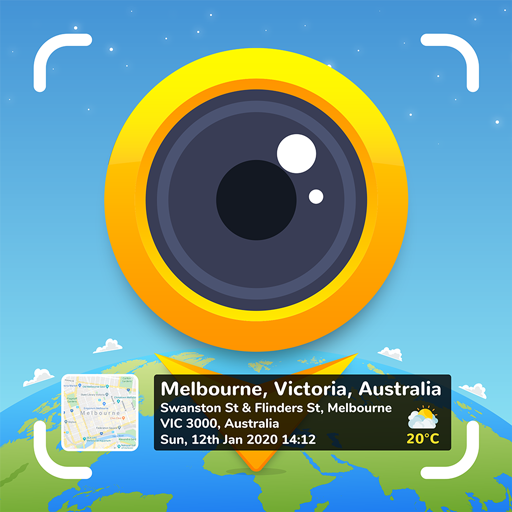
Customizable display options allow you to choose which data appears on your photos—coordinates only, full addresses, timestamps, compass directions, altitude, or custom text overlays. This flexibility ensures the information serves your specific needs without cluttering images with unnecessary details.
Advanced apps provide location accuracy settings, allowing you to balance battery consumption against precision requirements. For casual photography, approximate locations suffice, while professional applications demand the highest accuracy GPS can provide. 🔒
Integration with Mapping and Cloud Services
Modern GPS camera applications seamlessly integrate with mapping platforms and cloud storage services, automatically organizing your geotagged photos on interactive maps. You can visualize all your photos as pins on a world map, clicking through to view images from specific locations.
Cloud synchronization ensures your location-stamped photos are backed up and accessible across devices while maintaining all embedded metadata. This creates a persistent geographic photo archive that survives device upgrades and provides long-term documentation security.
Export capabilities allow you to share location data in various formats compatible with GIS software, mapping applications, or database systems. This interoperability makes GPS camera apps valuable tools within larger workflow systems rather than isolated applications.
Cost Savings Through Efficiency Gains
Organizations implementing GPS camera technology report significant cost savings through improved efficiency and reduced disputes. The time saved on manual documentation, location recording, and photo organization translates directly to labor cost reductions and productivity improvements.
Insurance companies processing claims with geotagged photo evidence experience faster resolution times and fewer fraudulent claims. Construction companies reduce change order disputes when photographic evidence with timestamps and coordinates documents site conditions and work progress.
Field service operations optimize routing and scheduling when managers can verify technician locations through geotagged service photos. This accountability improves customer service while reducing fuel costs and time waste from inefficient routes. 💰
Future-Proofing Your Visual Documentation
As location-based services become increasingly important in our connected world, GPS camera technology ensures your photo archives remain relevant and useful for future applications. Images with embedded spatial data can be repurposed for uses not yet imagined, from augmented reality experiences to AI-powered location intelligence.
The standardized metadata formats used by GPS camera apps ensure long-term compatibility with evolving technologies. Your geotagged photos today will remain readable and useful decades from now, preserving not just visual memories but also the geographic context that makes them meaningful.
Investing in GPS camera technology now creates documentation assets with compounding value—every geotagged photo adds to a spatial database that becomes more valuable as it grows. Whether for personal memories or professional records, location-aware photography provides enduring benefits that traditional images simply cannot match. 🚀
Getting Started with GPS Map Camera Technology
Beginning your journey with GPS map camera applications requires simply downloading a quality app and enabling location services on your device. Most apps offer intuitive interfaces that work like your standard camera app but automatically embed location data without requiring technical expertise.
Start by experimenting with the customization options to find display settings that meet your needs. Test different accuracy levels to understand the balance between precision and battery consumption for your typical use cases.
As you build your geotagged photo library, you’ll discover increasingly creative ways to leverage location data—from creating travel maps to building professional portfolios or simply organizing memories by the places they happened. The benefits multiply as your collection grows and you find new applications for spatial photography.
GPS map camera technology represents a fundamental enhancement to digital photography that adds dimension, context, and verification to every image you capture. Whether you’re documenting professional work, recording adventures, or simply preserving memories, embedding location intelligence into your photos creates value that extends far beyond the visual content alone. The comprehensive benefits touch every aspect of how we capture, organize, share, and utilize photographic documentation in our increasingly location-aware world. 🌟
