
Anúncios
Digital television has revolutionized how we consume content, offering crystal-clear image quality, immersive sound, and reliable signal transmission that transforms the viewing experience.
The transition from analog to digital broadcasting marked a significant milestone in television history. This technological shift brought unprecedented improvements in signal quality, channel availability, and overall user experience. Understanding what makes digital TV the superior choice helps consumers make informed decisions about their entertainment systems.
Anúncios
Whether you’re setting up a new home entertainment system or upgrading from older technology, knowing the benefits and technical aspects of digital television ensures you get the most out of your viewing experience. Let’s explore why digital TV provides the best signal quality available today. 📺
Understanding Digital Television Technology
Digital television operates fundamentally differently from its analog predecessor. Instead of transmitting continuous waves that can degrade over distance, digital TV sends discrete packets of data containing audio and video information. This binary transmission method ensures that the signal either arrives perfectly or not at all—there’s no middle ground of static or snow.
Anúncios
The encoding process compresses video and audio data efficiently without sacrificing quality. Advanced compression algorithms like MPEG-2 and MPEG-4 allow broadcasters to transmit high-definition content over the same bandwidth previously used for lower-quality analog signals. This efficiency means more channels can exist in the same frequency spectrum.
Digital signals also incorporate error correction technology. When minor interference occurs, the receiver can automatically correct transmission errors, maintaining picture and sound quality. This built-in resilience makes digital TV significantly more reliable than analog broadcasting, especially in challenging reception environments.
Superior Signal Quality and Clarity ✨
The most noticeable advantage of digital television is the exceptional picture quality. High-definition broadcasts deliver resolution up to 1920×1080 pixels, providing sharp, detailed images that bring content to life. Colors appear more vibrant and accurate, while contrast ratios reveal subtle details in both bright and dark scenes.
Audio quality receives equal attention in digital broadcasting. Multi-channel surround sound capabilities create immersive soundscapes that enhance movies, sports, and music programs. The digital format preserves audio fidelity throughout transmission, eliminating the hiss and distortion common in analog broadcasts.
Consistency represents another key benefit. With digital TV, you either receive a perfect signal or no signal at all. Gone are the days of adjusting antennas to reduce ghosting or fine-tuning channels to minimize static. When properly configured, digital television delivers consistent, reliable performance day after day.
Weather Resistance and Signal Stability
Digital television signals demonstrate remarkable resilience against weather conditions. While severe storms can still impact reception, typical weather variations that would have significantly degraded analog signals barely affect digital transmissions. Rain, wind, and atmospheric conditions that once caused picture quality to fluctuate now have minimal impact on your viewing experience.
The digital cliff phenomenon—where signals remain strong until a critical threshold—actually works in viewers’ favor. Rather than experiencing gradual degradation, digital TV maintains full quality until signal strength becomes critically low. This means you enjoy perfect viewing quality most of the time, rather than constantly dealing with varying picture quality.
More Channels and Content Variety 🎬
Digital broadcasting’s efficiency allows networks to offer multiple channels within a single frequency allocation. Multicasting enables broadcasters to transmit several standard-definition channels or one high-definition channel plus additional subchannels. This expansion dramatically increases available content without requiring additional spectrum.
Viewers benefit from specialized programming options. Networks can dedicate subchannels to specific genres like classic movies, news, weather, or local programming. This diversification means more choices without additional equipment or subscription fees, making digital TV an excellent value proposition.
Electronic program guides (EPGs) enhance the viewing experience by providing easy navigation through expanded channel lineups. These interactive guides display schedule information, program descriptions, and even ratings, helping viewers discover new content and plan their viewing schedules efficiently.
Setting Up for Optimal Reception
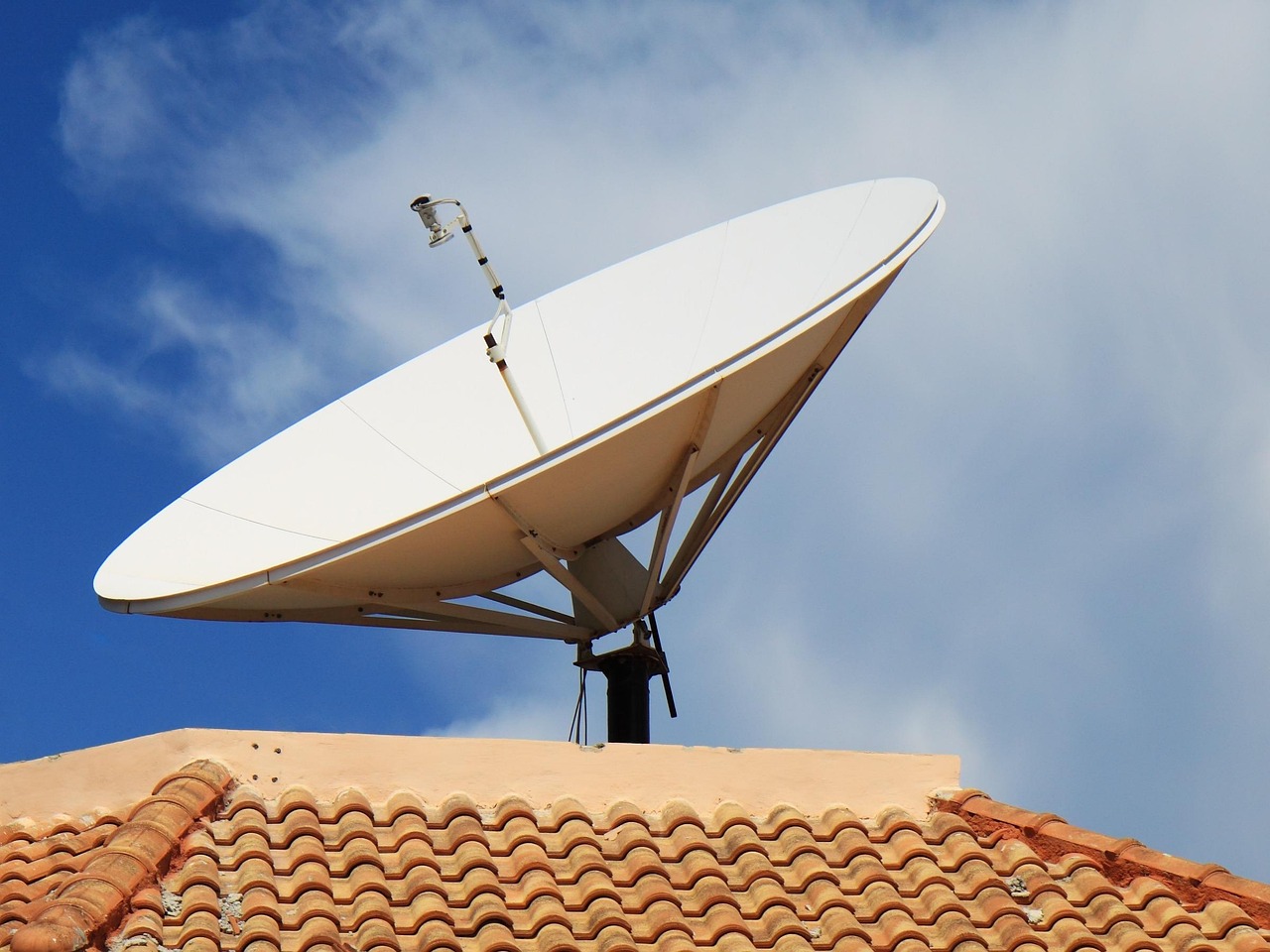
Achieving the best digital TV signal starts with proper antenna selection. Modern digital antennas are designed specifically to capture UHF and VHF frequencies used in digital broadcasting. Indoor antennas work well in urban areas close to transmission towers, while outdoor antennas provide superior performance in suburban and rural locations.
Antenna placement significantly impacts signal quality. Elevation improves reception, so mounting antennas higher—whether on rooftops or in attic spaces—typically yields better results. Directional antennas should point toward broadcast towers, while multidirectional models offer convenience when signals arrive from multiple directions.


Cable quality matters more than many realize. Using proper coaxial cable (RG-6 is preferred) minimizes signal loss between antenna and television. Keeping cable runs short and avoiding excessive splitters maintains signal strength. Quality connectors properly tightened prevent signal degradation and ensure reliable connections.
Scanning for Available Channels
After installation, performing a complete channel scan discovers all available broadcasts. Most digital televisions include automatic scanning features that search both VHF and UHF frequency ranges. Running rescans periodically catches newly launched channels and updates station information as broadcasters make changes.
Signal strength indicators help optimize antenna positioning. Many TVs display signal quality metrics during scanning, allowing real-time adjustment of antenna direction and placement. Taking time to fine-tune positioning ensures maximum channel availability and consistent reception quality.
Troubleshooting Common Signal Issues 🔧
Pixelation occurs when signal strength falls below optimal levels. This manifests as blocky artifacts or frozen frames. Moving or adjusting your antenna often resolves these issues. Checking cable connections and ensuring cables aren’t damaged also helps maintain proper signal flow.
Interference from electronic devices sometimes impacts reception. Wireless routers, computers, and other electronics can generate radio frequency interference. Keeping antennas away from potential interference sources or using shielded cables minimizes these disruptions.
Some channels may disappear periodically due to atmospheric conditions or tower maintenance. The FCC allows broadcasters to conduct equipment upgrades and maintenance that temporarily affects signal availability. Patience and periodic rescanning usually restore missing channels once work completes.
Amplifiers and Signal Boosters
Signal amplifiers benefit viewers in fringe reception areas. These devices boost weak signals, improving reception quality and channel availability. However, amplification must be applied carefully—excessive amplification can overload receivers and actually degrade performance in strong signal areas.
Pre-amplifiers installed near antennas provide the best results by boosting signals before they travel through cables. Distribution amplifiers help when splitting signals to multiple televisions, compensating for signal loss through splitters and longer cable runs.
Comparing Digital TV With Cable and Streaming 📊
Over-the-air digital television offers distinct advantages over paid alternatives. The most obvious benefit is cost—once you invest in an antenna and receiver, programming is completely free. No monthly subscription fees or hidden charges make digital TV an economical choice for budget-conscious viewers.
Picture quality often surprises viewers who assume paid services always look better. Broadcast digital TV transmits uncompressed or lightly compressed signals, resulting in superior image quality compared to heavily compressed cable or streaming content. Sports and action programming particularly benefit from this higher-quality transmission.
Reliability differences become apparent during high-demand events. Streaming services can buffer or crash when millions simultaneously watch major events. Cable systems sometimes experience outages. Over-the-air digital TV broadcasts continue uninterrupted, providing dependable access to important programming.
Combining Services for Complete Coverage
Many households successfully combine digital TV with streaming services. Using free over-the-air broadcasts for network programming, news, and sports while subscribing to streaming platforms for on-demand content and specialty programming creates a comprehensive, cost-effective entertainment solution.
This hybrid approach maximizes value while minimizing expenses. Viewers enjoy the reliability and quality of broadcast television alongside the convenience and variety of streaming platforms, creating a customized entertainment experience that meets diverse household needs.
The Future of Digital Broadcasting 🚀
Next-generation broadcasting technologies continue advancing. ATSC 3.0, the latest standard, introduces even more capabilities including 4K resolution, improved mobile reception, and interactive features. This evolution ensures digital television remains relevant and competitive in an increasingly connected media landscape.
Enhanced features like targeted advertising, interactive content, and seamless integration with internet services position digital broadcasting for continued relevance. Broadcasters can deliver personalized experiences while maintaining the reliability and quality that define over-the-air television.
Mobile reception improvements expand viewing possibilities beyond traditional home settings. ATSC 3.0 enables robust mobile reception, allowing viewers to watch broadcast television on smartphones and tablets while traveling. This flexibility matches modern viewing habits without sacrificing signal quality.
Environmental and Economic Benefits 🌍
Digital television’s efficiency extends beyond picture quality. Reduced power consumption compared to older analog transmission equipment makes digital broadcasting more environmentally sustainable. Broadcasters can reach audiences while using less energy, contributing to reduced carbon footprints across the industry.
For consumers, eliminating monthly subscription fees represents significant long-term savings. A household spending $100 monthly on cable saves $1,200 annually by switching to free over-the-air digital TV. Over a decade, that amounts to $12,000—substantial savings that can be directed toward other priorities.
Community access to information improves when quality television is freely available. Digital broadcasting ensures all community members can access news, emergency information, and educational programming regardless of financial circumstances. This universal access strengthens informed citizenship and community resilience.
Making the Switch to Digital TV
Transitioning to digital television requires minimal investment. Modern televisions include built-in digital tuners, eliminating the need for external converter boxes. Older analog TVs require inexpensive digital converter boxes to receive broadcasts, making the upgrade accessible even on tight budgets.
Research local channel availability before purchasing equipment. Websites and apps provide signal strength predictions based on your location, helping determine appropriate antenna types. Understanding your local broadcast landscape ensures you select equipment that meets your specific needs and location challenges.
Installation can be a DIY project or professional service depending on complexity and comfort level. Simple indoor antenna setups require only plugging in and scanning for channels. Outdoor installations involving roof mounting and long cable runs may benefit from professional installation ensuring optimal performance and safety.
Maximizing Your Digital TV Experience
Exploring all available channels reveals hidden gems. Many digital subchannels offer classic programming, independent films, and specialized content not available elsewhere. Taking time to browse your full channel lineup uncovers entertainment options you might otherwise miss.
Recording capabilities enhance convenience when paired with digital video recorders designed for over-the-air content. These devices capture broadcasts for later viewing, providing time-shifting functionality without subscription fees. Some models include streaming integration, creating unified entertainment hubs.
Regular maintenance ensures continued performance. Periodically checking antenna condition, cable connections, and performing channel rescans keeps your system functioning optimally. These simple maintenance tasks prevent small issues from becoming major problems.
Real-World Performance and User Satisfaction ⭐
User experiences consistently highlight satisfaction with digital TV quality and value. Viewers appreciate crystal-clear pictures, reliable reception, and zero monthly costs. Many report discovering more content than expected, with digital subchannels providing entertainment diversity rivaling paid services.
Sports fans particularly value digital TV’s superior picture quality during fast-action sequences. The uncompressed or lightly compressed broadcasts preserve motion clarity that compressed cable and streaming often cannot match, making over-the-air broadcasts the preferred choice for many sports enthusiasts.
Families enjoy the peace of mind that comes with reliable, free entertainment. Children can watch educational programming, parents can stay informed with news broadcasts, and everyone can enjoy movies and series without subscription management or unexpected charges.
Why Digital TV Delivers the Best Signal
The superiority of digital television signals stems from fundamental technological advantages. Digital encoding, error correction, efficient compression, and modern transmission methods combine to deliver unmatched reliability and quality. These technical benefits translate directly into superior viewing experiences.
Accessibility represents another crucial advantage. Digital TV democratizes access to quality entertainment and information. Geographic location and income level become less restrictive when high-quality broadcasts are freely available over the air, strengthening communities and expanding opportunities.
Ongoing technological advancement ensures digital broadcasting remains at the forefront of home entertainment. Investment in next-generation standards demonstrates the industry’s commitment to continuous improvement, promising even better experiences in years ahead while maintaining the core benefits that make digital TV exceptional today.
The combination of superior signal quality, cost-effectiveness, reliability, and ongoing innovation makes digital television the smart choice for modern viewers. Whether you’re seeking to reduce entertainment costs, improve picture quality, or simply enjoy dependable television access, digital broadcasting delivers the best signal available. Making the switch opens doors to exceptional viewing experiences without ongoing financial commitments. 📺✨
