
Anúncios
Ever wondered what that beautiful plant in your garden is called, or why your indoor plants keep wilting despite your best efforts? Technology has transformed plant care into something anyone can master.
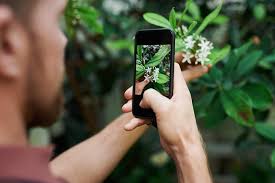


Plant identification apps have revolutionized how we interact with the botanical world around us. These powerful tools combine artificial intelligence, vast botanical databases, and smartphone cameras to deliver instant insights about any plant you encounter. Whether you’re a seasoned gardener, a curious nature enthusiast, or someone who struggles to keep houseplants alive, these applications offer solutions that were once only available to professional botanists.
Anúncios
The beauty of modern plant identification technology lies in its simplicity and accessibility. Gone are the days of carrying heavy field guides or spending hours flipping through botanical encyclopedias. Today, a simple photo taken with your smartphone can unlock a wealth of information about plant species, care requirements, potential problems, and health diagnostics—all within seconds. This democratization of botanical knowledge empowers everyone to become a more informed plant parent and nature observer. 🌿
How Plant Identification Technology Actually Works
Plant identification apps leverage sophisticated machine learning algorithms trained on millions of plant images. When you snap a photo of a plant, the app analyzes various visual features including leaf shape, flower structure, bark texture, fruit characteristics, and overall growth patterns. This data is then compared against extensive databases containing information on hundreds of thousands of plant species from around the world.
Anúncios
The accuracy of these applications has improved dramatically over recent years. Early versions struggled with similar-looking species or plants photographed in challenging lighting conditions. Modern apps, however, achieve identification accuracy rates exceeding 95% for common species, rivaling professional botanists in many cases. The technology continues to learn and improve with each user submission, creating a continuously expanding and refining knowledge base.
What makes these apps truly remarkable is their ability to recognize plants at various life stages. Whether you’re photographing a seedling, a mature plant in full bloom, or even a dried specimen, the AI can often make accurate identifications by analyzing the specific characteristics visible in your image.
Beyond Simple Identification: Comprehensive Plant Health Diagnostics 🔍
While identifying unknown plants is incredibly useful, the diagnostic capabilities of modern plant apps represent their most valuable feature for everyday users. These applications don’t just tell you what plant you have—they analyze its current health status and provide actionable recommendations for improvement.
The health diagnostic function examines visual symptoms in your plant photos to detect common problems. Yellowing leaves, brown spots, wilting stems, or unusual discoloration all provide clues about what your plant is experiencing. The app’s AI interprets these symptoms to determine whether your plant is suffering from overwatering, underwatering, nutrient deficiencies, pest infestations, diseases, or environmental stress.
Water-Related Issues Detected Instantly
One of the most common challenges plant owners face is getting watering right. Too much water can lead to root rot and fungal problems, while too little causes wilting and browning. Plant identification apps analyze leaf texture, color patterns, and drooping characteristics to determine your plant’s hydration status with surprising precision.
When you photograph a plant showing signs of distress, the app can distinguish between overwatering symptoms (yellowing lower leaves, mushy stems, mold on soil) and underwatering indicators (crispy leaf edges, drooping throughout the plant, dry soil visible). This distinction is crucial because the remedies are completely opposite, and misdiagnosis often makes problems worse.
Sunlight and Light Exposure Analysis
Light requirements vary dramatically between plant species. Succulents and cacti thrive in direct sunlight, while ferns and many tropical houseplants prefer shade or filtered light. Plant apps help you determine whether your plant is receiving appropriate light levels by analyzing symptoms of light stress.
Signs of too much sun include bleached or scorched leaves, brown crispy patches, and faded coloration. Insufficient light manifests as leggy growth, small leaves, loss of variegation in colored varieties, and leaning toward light sources. The app identifies these patterns and recommends optimal placement for your specific plant species.
Key Features That Make These Apps Indispensable
Modern plant identification applications offer far more than simple name recognition. They’ve evolved into comprehensive plant care companions that support you throughout your gardening journey. Understanding the full range of features helps you maximize the value of these tools.
Instant Identification From Multiple Angles
You can photograph leaves, flowers, fruits, bark, or the overall plant habit. The more distinctive the feature you capture, the more accurate the identification. Apps typically allow you to submit multiple photos of the same plant from different angles, which significantly improves accuracy for difficult-to-identify species.
Personalized Care Guides and Reminders 📱
Once a plant is identified, most apps provide detailed care instructions specific to that species. These guides cover watering frequency, light requirements, ideal temperature ranges, humidity preferences, fertilization schedules, pruning advice, and common problems to watch for. Some apps even send push notifications reminding you when it’s time to water, fertilize, or perform seasonal maintenance.
Pest and Disease Recognition
Beyond environmental stress, plants face threats from insects, fungi, bacteria, and viruses. Advanced plant apps can identify common pests like aphids, spider mites, scale insects, and mealybugs from photos. They also recognize disease symptoms such as powdery mildew, rust, blight, and various leaf spots. Most importantly, they provide treatment recommendations tailored to the specific problem and plant type.
Toxicity Information for Pet Owners
For households with pets or young children, knowing whether a plant is toxic is essential. Plant identification apps typically include comprehensive toxicity information, warning you about plants that could be harmful if ingested. This feature alone can prevent serious health emergencies and helps you make informed decisions about which plants to keep in accessible locations.
Popular Plant Identification Apps Worth Downloading
Several excellent apps dominate the plant identification space, each with unique strengths. While many offer similar core functions, subtle differences in database size, user interface, and additional features may make one more suitable for your specific needs.
PlantNet: The Community-Driven Option 🌍
PlantNet is a citizen science project that relies on user contributions to expand its database. It’s particularly strong for wild plants and native species from various regions. The app is completely free and doesn’t display advertisements, making it accessible to everyone. Its identification algorithm is robust, though it performs best with clear, well-lit photos of distinctive plant parts like flowers or fruits.
PictureThis: Comprehensive Care Platform
PictureThis offers one of the most extensive databases with over 17,000 plant species. Its standout feature is the detailed health assessment and diagnosis capability. The app provides step-by-step treatment plans for identified problems and includes a gardening guide with articles on various plant care topics. While it offers a free version, premium features require a subscription.
PlantSnap: Global Coverage Excellence
PlantSnap boasts an impressive database covering plants from all continents. It excels at identifying ornamental garden plants, houseplants, and landscaping specimens. The app includes a social feature allowing users to share their plant discoveries and connect with other plant enthusiasts. The interface is intuitive and visually appealing, making it enjoyable to use regularly.
Maximizing Accuracy: Tips for Better Plant Photos 📸
While plant identification apps are remarkably sophisticated, you can significantly improve identification accuracy by following best practices when photographing plants. The quality and composition of your photo directly impacts the app’s ability to make correct identifications.
Natural lighting produces the best results. Photograph plants during daylight hours when possible, avoiding harsh midday sun that creates strong shadows. Overcast days provide ideal diffused lighting that captures true colors and details without glare or dark spots.
Get close enough to capture clear details, but include enough context for the app to understand the plant’s structure. For leaves, fill most of the frame with the leaf while showing its attachment to the stem. For flowers, capture both the bloom and surrounding foliage when possible.
Focus is critical. Tap your phone screen on the most important part of the plant to ensure it’s sharp and clear. Blurry photos confuse the identification algorithm and reduce accuracy rates significantly.
Choose distinctive features when possible. Flowers are often the most reliable identification feature, followed by fruits, then leaves, and finally bark or overall habit. If your plant has multiple distinctive features visible, take several photos and submit them together.
Real-World Applications Beyond Home Gardening 🏡
Plant identification apps serve purposes far beyond helping houseplant enthusiasts. Their applications extend across numerous fields and activities, making them valuable tools for diverse user groups.
Hiking and Nature Exploration
Outdoor enthusiasts use these apps to identify wildflowers, trees, and other plants encountered on trails. This enhances the hiking experience by deepening understanding of local ecosystems. Knowing which plants are edible, medicinal, or poisonous can also be valuable for wilderness safety.
Educational Tools for Students and Teachers
Biology teachers incorporate plant identification apps into lessons, allowing students to engage with botany through hands-on experience. Students can document local flora, create digital herbarium collections, and learn plant taxonomy in practical, memorable ways.
Landscape Planning and Garden Design
When you encounter beautiful plants in public gardens, parks, or neighbors’ yards, plant identification apps help you determine what they are so you can incorporate them into your own landscape. This discovery process inspires garden design and helps you select plants proven to thrive in your local climate.
Foraging and Herbalism
While plant apps should never be the sole basis for deciding whether to consume wild plants, they serve as valuable preliminary identification tools for foragers and herbalists. Always verify edibility through multiple reliable sources before consuming any wild plant, but apps provide an excellent starting point for learning about useful plants in your area.
Understanding the Limitations and Using Apps Responsibly ⚠️
Despite their impressive capabilities, plant identification apps aren’t infallible. Understanding their limitations helps you use them effectively and safely.
Identification accuracy decreases for rare species, hybrids, and cultivars. Apps are trained primarily on wild species and common cultivated varieties. Unusual garden hybrids or newly developed cultivars may not be in the database, leading to misidentification or no match results.
Photo quality dramatically impacts results. Poor lighting, motion blur, or photos taken from too far away reduce accuracy. If you receive unexpected results, try retaking the photo under better conditions before accepting the identification.
Never consume plants based solely on app identification. While these tools are excellent for learning and general identification, they should not be trusted for making decisions about edibility, especially with wild plants. Misidentification of toxic plants could have serious health consequences.
Regional databases vary in comprehensiveness. Apps typically perform best for plants from regions with large user bases. If you’re identifying plants in less commonly covered areas, results may be less reliable.
The Future of Plant Technology and AI-Powered Gardening 🚀
Plant identification and diagnostic technology continues to evolve rapidly. Emerging developments promise even more powerful tools for plant enthusiasts in the coming years.
Integration with smart home systems is becoming more common. Imagine sensors that monitor soil moisture, light levels, and temperature for your houseplants, automatically communicating with your phone to alert you when action is needed. Some premium systems already offer these capabilities, and they’re becoming more affordable and accessible.
Augmented reality features are being developed that overlay care information and identification details directly onto your camera view. Point your phone at a plant and see its name, care requirements, and current health status displayed in real-time on your screen.
Expanded disease and pest databases will improve diagnostic capabilities. As more users contribute photos of plant problems, AI systems learn to recognize increasingly subtle symptoms and rare conditions. This crowdsourced knowledge accelerates the development of comprehensive diagnostic tools.
Predictive analytics may soon warn you about potential problems before they become visible. By analyzing growth patterns, environmental conditions, and species-specific vulnerabilities, future apps could alert you to take preventive action against likely issues.
Transforming Your Relationship With Plants Through Technology 🌱
Plant identification apps represent more than convenient tools—they fundamentally change how we interact with the botanical world. They make plant knowledge accessible to everyone, regardless of prior experience or education in botany.
For beginners, these apps provide confidence. Instead of fearing that you’ll kill every plant you touch, you gain access to expert guidance that helps you succeed. Understanding exactly what your plants need removes the guesswork and anxiety from plant care.
Experienced gardeners benefit from expanded knowledge. Even lifelong plant enthusiasts encounter unfamiliar species or challenging diagnostic situations. Apps provide quick answers and fresh perspectives that complement traditional knowledge.
The environmental impact extends beyond individual gardens. As more people develop interest in plants through these accessible tools, awareness of biodiversity, native species, and ecosystem health increases. This growing botanical literacy supports broader conservation efforts and environmental stewardship.
Children particularly benefit from the interactive nature of plant apps. Identifying plants becomes a game, encouraging outdoor exploration and fostering early appreciation for nature. These positive childhood experiences often develop into lifelong environmental awareness and responsible attitudes toward the natural world.
Getting Started With Your Plant Identification Journey Today
Beginning to use plant identification apps requires nothing more than your smartphone and curiosity. Download one or several of the recommended applications and start experimenting with plants around your home, garden, or neighborhood.
Start with plants you already know. This helps you understand how the app works and builds confidence in its accuracy. Photograph familiar houseplants or common garden species and see how well the app identifies them.
Create a digital garden journal by photographing and identifying all your plants. Most apps allow you to build personal collections where you can add notes, track care activities, and monitor changes over time. This documentation becomes invaluable for understanding what works best for each plant.
Join the community features within the apps. Many platforms include social elements where users share photos, ask questions, and offer advice. These communities provide additional support beyond the AI algorithms and connect you with fellow plant enthusiasts worldwide.
Experiment with the diagnostic features regularly. Don’t wait until plants look seriously unhealthy. Periodic check-ins help you catch problems early when they’re easier to correct. This proactive approach prevents minor issues from becoming major disasters.
The intersection of technology and botany has created tools that would have seemed like science fiction just a decade ago. Today, anyone with a smartphone can access botanical expertise that rivals professional training. Whether you’re rescuing a struggling houseplant, identifying wildflowers on a hike, or simply wanting to know more about the green world around you, plant identification apps open doors to deeper understanding and more successful plant care. The power of botanical knowledge truly is now in your pocket, ready whenever curiosity strikes or your plants need help. 🌿✨
