
Anúncios
There are certain songs that become the soundtrack of our lives, embedding themselves so deeply in our memory that just a few notes can transport us back in time instantly.
Music possesses an extraordinary power to connect with our emotions, creating lasting impressions that withstand the test of time. Whether it’s a childhood lullaby, a teenage anthem, or a wedding dance song, these melodies become woven into the fabric of who we are. The human brain processes music in remarkable ways, linking sounds to specific memories, feelings, and even scents from particular moments in our lives.
Anúncios
Understanding why certain songs remain unforgettable while others fade away reveals fascinating insights into human psychology, neuroscience, and the universal language of melody. This exploration takes us through personal connections, cultural phenomena, and the science behind musical memory, showing us exactly why some tracks become permanent residents in our mental playlist. 🎵
The Neuroscience Behind Musical Memory
Our brains are wired to remember music differently than other forms of information. When we hear a song, multiple areas of the brain activate simultaneously, creating a rich tapestry of neural connections. The auditory cortex processes the sounds, the hippocampus stores the memory, and the amygdala attaches emotional significance to the experience.
Anúncios
Research has shown that musical memories are often preserved even when other cognitive functions decline. Alzheimer’s patients who struggle to remember their own children’s names can still sing every word of songs from their youth. This phenomenon occurs because music engages both hemispheres of the brain and activates the cerebellum, creating redundant pathways that protect these memories from degradation.
The repetitive nature of music also plays a crucial role in memory formation. Choruses, verses, and melodic patterns repeat throughout a song, essentially training our brains through repetition. Each listen strengthens the neural pathways, making the song easier to recall over time. This is why you can remember lyrics to hundreds of songs but might struggle to memorize a speech or presentation.
Emotional Anchoring: When Songs Capture Moments ❤️
The most unforgettable songs are typically those connected to significant emotional experiences. Your first dance at a wedding, a road trip with best friends, or a difficult breakup can all become permanently linked to whatever music was playing at that moment. This phenomenon is called “emotional anchoring,” and it’s one of the most powerful forces in musical memory.


When we experience heightened emotions, our brains release neurotransmitters like dopamine and norepinephrine, which essentially tell our memory systems, “This is important—save this.” If music is part of that experience, it gets saved along with everything else, creating an indissoluble bond between the melody and the memory.
Think about the songs that make you cry every single time you hear them. That emotional response isn’t random—it’s your brain retrieving the entire emotional context surrounding that song. You’re not just hearing music; you’re re-experiencing a fragment of your past, complete with the feelings, sensations, and even physical responses you had during the original moment.
The Nostalgia Effect and Musical Time Travel
There’s a reason why people often feel that music from their teenage years and early twenties is somehow “better” than current music. This isn’t just rose-tinted glasses—it’s a documented psychological phenomenon called the “reminiscence bump.” During our formative years, we’re experiencing many things for the first time, and our brains are particularly receptive to creating lasting memories.
Songs from this period become intertwined with our identity formation. The music you loved at fifteen helped shape who you became as an adult. When you hear those songs now, you’re reconnecting with a younger version of yourself, often triggering intense nostalgia. This emotional journey backward can be comforting, bittersweet, or even therapeutic, depending on the memories attached.
Nostalgia itself activates reward centers in the brain, producing feelings of warmth, happiness, and social connection. This is why reunion concerts, classic rock stations, and “throwback Thursday” playlists remain perpetually popular. They offer us a form of time travel, allowing us to visit earlier versions of ourselves while remaining safely grounded in the present.

Cultural Soundtracks: Songs That Defined Generations
Beyond personal memories, certain songs become unforgettable because they captured the spirit of an entire era or cultural moment. These tracks transcend individual experience and become part of our collective consciousness. Think of “Bohemian Rhapsody” by Queen, “Imagine” by John Lennon, or “Smells Like Teen Spirit” by Nirvana—songs that defined not just musical movements but entire generational identities.
These cultural landmarks remain unforgettable because they’re reinforced through repeated exposure across different contexts. They play at sporting events, in movies, during political campaigns, and at celebrations worldwide. Each repetition strengthens the collective memory, ensuring that even people who weren’t alive when the song was released know every word.
Social sharing also amplifies musical memory. When millions of people share the same song as a touchstone, it creates a sense of community and shared experience. Hearing these songs doesn’t just trigger personal memories—it connects us to a broader human experience, reminding us that we’re part of something larger than ourselves.
The First Time Effect 🎧
There’s something uniquely powerful about hearing a song for the first time and feeling it resonate with your soul. That initial listening experience often creates the strongest imprint. Music psychologists have noted that the first few times we hear a song are when the most robust neural connections are formed, especially if we’re emotionally engaged.
This is why discovering new music feels so exciting during adolescence and young adulthood—our brains are primed for forming these deep connections. As we age, we tend to become more selective, and fewer songs break through to create that “instant classic” feeling. However, when a song does manage to capture our attention with the same intensity, it can still become just as unforgettable as those early favorites.
The context of first hearing a song matters tremendously. Was it at a concert where you felt the bass vibrate through your chest? On the radio during a perfect summer afternoon? Shared by someone you loved? All these elements combine to create a multi-sensory memory that’s far richer and more durable than simple melody recognition.
Repetition, Earworms, and Musical Obsession
Sometimes songs become unforgettable not through profound emotional connection but through sheer repetition. We’ve all experienced earworms—those catchy melodies that loop endlessly in our minds, sometimes for days. While this can be annoying, it’s actually a testament to music’s powerful grip on our cognitive processes.
Earworms typically share certain characteristics: they have simple, repetitive melodies, unusual intervals that catch our attention, or lyrics with distinctive rhythms. Songs like “Happy Birthday,” commercial jingles, or viral pop hits lodge themselves in our memory precisely because they’re designed to be sticky. Their simplicity makes them easy to remember, and their catchiness ensures they repeat in our minds even without external prompting.
Interestingly, trying to forget an earworm often makes it stronger. This is due to the ironic process theory—the more we try not to think about something, the more we think about it. The solution, paradoxically, is often to listen to the song all the way through, giving your brain the closure it needs to move on to something else.
Personal Anthems and Identity Formation 🌟
Many people have personal anthems—songs that feel like they were written specifically about or for them. These tracks often arrive during pivotal moments of self-discovery or transformation, providing comfort, inspiration, or validation during challenging times. Once a song becomes intertwined with your sense of self, it achieves a special kind of unforgettable status.
Teenagers are particularly prone to adopting musical identities, using favorite bands and songs as social signals and self-expression tools. The music you champion becomes part of how you present yourself to the world. Even decades later, those songs remain unforgettable because they’re connected to the fundamental question of “Who am I?”
Personal anthems often resurface during times of stress or change, functioning as emotional anchors that remind us of our core values and experiences. They can provide strength during difficulties or celebrate moments of triumph. This functional aspect—music as a psychological tool—ensures these songs maintain their prominence in our memories throughout our lives.
The Role of Lyrics in Lasting Musical Memories
While instrumental music can certainly be unforgettable, lyrics add another dimension to musical memory. Words provide narrative structure, concrete imagery, and specific meanings that our brains can grasp and recall. A powerful combination of melody and lyrics creates a dual-coding effect, where the information is stored both verbally and musically, making it doubly accessible.
Poetry set to music becomes easier to remember than poetry alone. This is why ancient cultures used songs to preserve histories, stories, and knowledge before written language became widespread. The musical component provides a framework that supports verbal recall, which is why you can probably recite dozens of song lyrics but might struggle to memorize a poem of similar length.
Lyrics that speak to universal human experiences—love, loss, hope, rebellion—tend to create the most lasting memories. When a songwriter articulates something you’ve felt but couldn’t express, that song becomes a personal treasure. It gave voice to your experience, validating your emotions and creating a permanent connection between the music and your inner life.
Technological Changes and Musical Accessibility 📱
The way we consume music has changed dramatically over recent decades, and these changes affect which songs become unforgettable. In the era of vinyl records and cassette tapes, people listened to entire albums repeatedly, creating deep familiarity with every track. Physical limitations meant smaller music collections, and songs were heard dozens or hundreds of times.
Today’s streaming platforms offer unlimited access to millions of songs, fundamentally changing our relationship with music. While this abundance is wonderful, it can also create a shallower engagement with individual tracks. When you can skip instantly to something new, you might not give songs the repeated listens necessary for deep memory formation.
However, technology also enables new forms of musical memory. Personalized playlists, algorithmic recommendations, and the ability to instantly replay a beloved song can create powerful new associations. The “songs of the year” features on streaming platforms have become modern time capsules, freezing musical moments in digital amber and creating new pathways for nostalgia.
The Healing Power of Remembered Music 💚
Music therapy increasingly relies on the phenomenon of unforgettable songs. Therapists use familiar music to help patients with dementia, depression, PTSD, and various other conditions. Because musical memories are so resilient, they can serve as bridges to other memories and emotions that might otherwise be inaccessible.
For people with Alzheimer’s disease, music from their youth can temporarily restore lucidity and connection. Patients who haven’t spoken in months may suddenly sing along to a beloved song, their faces lighting up with recognition and joy. These moments demonstrate that somewhere deep in the brain, these songs remain perfectly preserved, waiting for the right trigger to bring them back to consciousness.
The therapeutic applications extend beyond memory disorders. Songs associated with positive memories can improve mood, reduce anxiety, and provide comfort during difficult times. Creating personalized playlists of meaningful music has become a recognized intervention for managing depression and stress, harnessing the power of musical memory for healing purposes.
Creating New Unforgettable Musical Moments
Understanding what makes songs unforgettable empowers us to intentionally create meaningful musical experiences. Instead of passively consuming background music, we can actively engage with songs in contexts that will create lasting memories. Attending live concerts, sharing music with loved ones, and associating songs with important personal milestones all enhance the likelihood that music will stay with us.
Being present during musical experiences makes them more memorable. Put away distractions, listen with quality headphones or speakers, and allow yourself to fully experience the emotional and aesthetic dimensions of the music. This mindful listening creates the neural conditions for lasting memory formation.
Introducing children to diverse, quality music during their formative years gives them a rich foundation of musical memories that will last a lifetime. The lullabies you sing, the songs you dance to together, and the music playing during family moments become part of their personal soundtrack, shaping their relationship with music for decades to come.
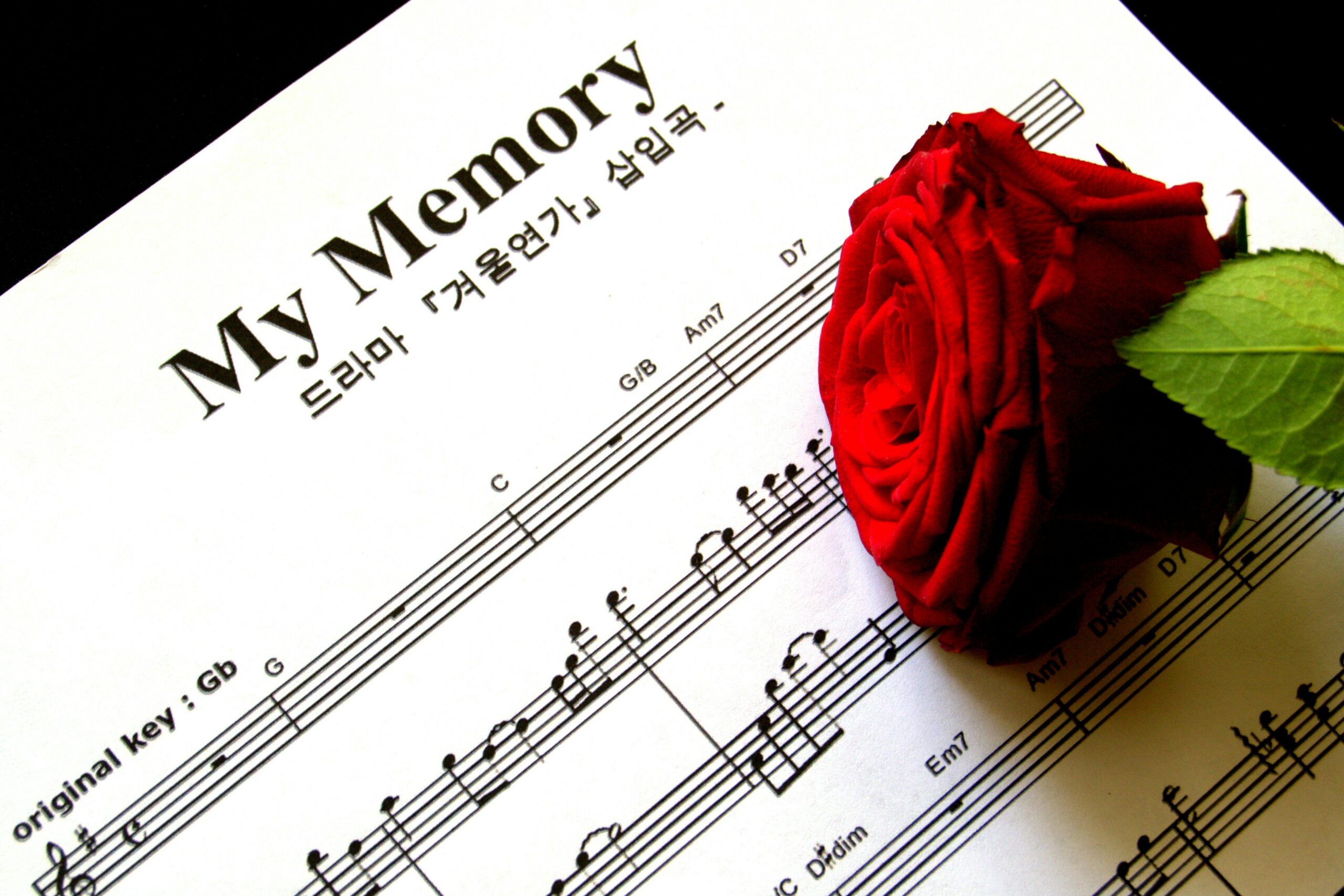
When Songs Become More Than Music 🎶
The songs we never forget ultimately transcend their role as entertainment. They become markers of time, emotional touchstones, and connections to our past selves. They remind us of who we were, who we loved, and what mattered to us at different life stages. In this way, our personal soundtracks tell the story of our lives as eloquently as any autobiography.
These unforgettable songs also connect us to others. Shared musical memories create bonds between people, whether it’s an entire generation connected by a cultural phenomenon or two people who will always associate a particular song with each other. Music is among humanity’s most powerful tools for creating and maintaining social connections.
As technology evolves and musical styles change, the fundamental human need for meaningful musical experiences remains constant. The songs we carry with us throughout our lives serve as companions, comforters, and chronicles of our journey. They deserve our attention, our appreciation, and our recognition of the profound role they play in making us who we are.
The next time a song from your past unexpectedly plays and takes you on an emotional journey, don’t dismiss it as simple nostalgia. Recognize it for what it truly is: a remarkable demonstration of music’s power to capture moments, preserve emotions, and create meaning that lasts a lifetime. These unforgettable songs are gifts we give ourselves, time capsules of feeling that we can open whenever we need to remember where we’ve been and who we’ve become along the way.
