
Anúncios
Radio apps have revolutionized how we consume audio content, bringing thousands of stations from around the world directly to our smartphones with just a tap.
Whether you’re commuting to work, exercising at the gym, or relaxing at home, radio streaming apps offer an incredible way to stay connected with music, news, sports, and talk shows. The beauty of these applications lies in their ability to transcend geographical boundaries, allowing listeners to tune into local stations or explore international broadcasts effortlessly.
Anúncios
From traditional FM/AM stations that have gone digital to internet-only broadcasters, the variety available through radio apps is truly staggering. These platforms have become essential companions for millions of users who crave entertainment, information, and companionship throughout their daily routines. Let’s explore everything you need to know about radio listening apps and how they’re transforming the audio landscape. 📻


Why Radio Apps Are More Popular Than Ever
The resurgence of radio through mobile applications represents a fascinating cultural shift. While some predicted radio’s demise in the digital age, streaming apps have actually breathed new life into this classic medium. The convenience factor cannot be overstated—users no longer need dedicated hardware or antennas to access their favorite stations.
Anúncios
Modern radio apps offer features that traditional receivers could never provide. Users can pause live broadcasts, rewind to catch missed segments, and set sleep timers for bedtime listening. Many applications also include alarm clock functions that wake you up to your preferred station, replacing conventional alarm sounds with morning shows or gentle music.
The personalization aspect also drives popularity. Most apps learn your listening habits and recommend stations based on your preferences. This smart curation helps users discover new content they genuinely enjoy, whether that’s jazz from New Orleans, electronic music from Berlin, or news commentary from London.
Top Features to Look for in Radio Streaming Applications
Not all radio apps are created equal. When choosing the right application for your needs, several key features deserve consideration. A well-designed interface makes navigation intuitive, allowing quick access to favorite stations and easy browsing through categories like genre, location, or language.
Search functionality is crucial. The best apps let you find stations by name, city, frequency, or content type. Advanced filtering options help narrow down thousands of options to exactly what you’re seeking at any given moment.
Audio quality settings matter significantly, especially for users with limited data plans. Look for apps that offer variable bitrate options, allowing you to balance sound quality with data consumption. Some applications automatically adjust quality based on your connection speed, ensuring uninterrupted playback.
Offline recording capabilities represent another valuable feature. Several premium apps allow you to record shows for later listening, perfect for catching time-sensitive content when you’re without internet access. This functionality transforms radio from a purely live medium into something more flexible and user-controlled.
Understanding Different Types of Radio Apps 🎧
The radio app ecosystem includes several distinct categories. Aggregator apps compile thousands of stations from various sources into one searchable database. These platforms excel at variety, offering everything from tiny community stations to major international broadcasters under one roof.
Station-specific apps come directly from individual broadcasters. Major networks often develop proprietary applications featuring their programming along with exclusive content, podcasts, and interactive features. These apps typically offer the highest quality streams of their respective stations and additional behind-the-scenes material.
Genre-focused applications cater to specific musical tastes or content preferences. Whether you’re passionate about classical music, heavy metal, sports talk, or true crime podcasts, specialized apps curate stations around particular themes, making discovery easier for enthusiasts.
Hybrid apps combine live radio with on-demand content, podcasts, and even music streaming services. These comprehensive platforms aim to be your all-in-one audio solution, eliminating the need for multiple applications cluttering your device.

How Radio Apps Handle Data Consumption
Data usage remains a primary concern for mobile users streaming audio content. Understanding how radio apps consume data helps you make informed decisions and avoid unexpected overage charges from your carrier.
Most radio streams operate between 64kbps and 320kbps, with higher bitrates delivering better sound quality but consuming more data. A typical 128kbps stream uses approximately 56MB per hour—modest compared to video streaming but significant for users with limited plans.
Many applications include data-saving modes that reduce stream quality when you’re on cellular networks while maintaining higher fidelity over Wi-Fi. This intelligent switching helps preserve your data allowance without requiring constant manual adjustments.
Some apps offer Wi-Fi-only modes, preventing accidental streaming over cellular connections. This simple safeguard proves invaluable for users who primarily listen at home or in locations with reliable wireless networks.
Exploring Global Content Through Radio Applications 🌍
One of the most exciting aspects of radio apps is accessing international content. With just a few taps, you can transport yourself virtually anywhere in the world, experiencing different cultures through their radio programming.
Language learners particularly benefit from this global accessibility. Listening to stations in your target language provides authentic exposure to conversational speech, regional accents, and cultural references that textbooks rarely capture. Many users supplement formal language studies with daily radio listening, dramatically improving comprehension and pronunciation.
Expatriates and immigrants use radio apps to maintain connections with their home countries. Hearing familiar voices, local news, and music from home combats homesickness and keeps users informed about events in their native regions despite physical distance.
Cultural explorers discover new music genres, political perspectives, and artistic movements by sampling stations from unfamiliar territories. This auditory tourism broadens horizons without requiring travel, fostering understanding and appreciation across borders.
The Technology Behind Seamless Radio Streaming
Modern radio apps rely on sophisticated technology to deliver smooth, reliable streams. Understanding these technical foundations helps users troubleshoot problems and appreciate the engineering that makes their listening experience possible.
Most applications use adaptive streaming protocols that automatically adjust quality based on connection stability. When bandwidth fluctuates, the app seamlessly shifts between bitrates, preventing frustrating interruptions or buffering delays.
Cloud-based architectures enable apps to aggregate thousands of stations without maintaining massive local databases. When you search for a station, the app queries remote servers that constantly update their directories, ensuring access to the latest available broadcasts.
Buffering strategies vary between applications. Some maintain small buffers for near-live listening, while others cache several minutes of audio to prevent interruptions during brief connectivity losses. This technical decision affects both the listening experience and data consumption patterns.
Privacy Considerations When Using Radio Apps 🔒
Like all connected applications, radio streaming platforms collect various types of user data. Being informed about privacy practices helps you make choices aligned with your comfort level regarding data sharing.
Most apps track listening habits to provide personalized recommendations. This data collection typically includes which stations you favorite, how long you listen to particular broadcasts, and what times of day you engage with the app. While this information improves user experience, it also creates detailed profiles of your preferences.
Location permissions enable apps to suggest local stations, but they also reveal your physical whereabouts to the service provider. Many applications function perfectly well without location access if you’re willing to manually search for stations rather than relying on automatic local suggestions.
Reading privacy policies, though tedious, reveals what data companies collect, how they use it, and whether they share it with third parties. Premium or paid versions of apps often include enhanced privacy protections, limiting data collection and eliminating behavioral advertising.
Monetization Models: Free vs. Premium Radio Apps
Radio applications employ various revenue strategies that affect user experience in different ways. Free apps typically rely on advertising, displaying banner ads within the interface or playing audio commercials between songs or during natural breaks in programming.
Ad-supported models make radio accessible to everyone regardless of financial means, democratizing access to global content. However, advertisements can interrupt flow, consume additional data, and sometimes compromise privacy through behavioral tracking.
Premium subscriptions remove advertising while often adding enhanced features like unlimited recording, exclusive stations, higher quality streams, and advanced playback controls. Monthly fees typically range from $3 to $10, positioning these services as affordable upgrades for dedicated listeners.
Some applications use freemium models, offering basic functionality free while reserving premium features for paying subscribers. This approach lets users test the platform before committing financially, while still providing a path for developers to generate sustainable revenue.
Radio Apps for Specific Audiences and Interests
Specialized radio applications cater to niche audiences with particular content needs. Sports fans can find apps dedicated exclusively to sports talk, live game broadcasts, and analysis programming from leagues and teams worldwide.
News enthusiasts benefit from apps aggregating news stations across the political spectrum, enabling informed citizenship through diverse perspective consumption. Some platforms even organize stations by ideological orientation, helping users either find like-minded content or intentionally seek opposing viewpoints.
Music discovery apps combine traditional radio with algorithm-driven recommendations, introducing listeners to new artists within their preferred genres. These platforms often include artist information, concert listings, and purchase links alongside streaming content.
Religious and spiritual communities enjoy dedicated apps broadcasting sermons, meditations, religious music, and faith-based discussions. These specialized platforms create digital gathering spaces for believers seeking daily spiritual nourishment.
Integrating Radio Apps with Smart Home Devices 🏠
The proliferation of smart speakers and connected home systems has expanded how we interact with radio applications. Voice commands let you tune stations hands-free, perfect while cooking, cleaning, or otherwise occupied.
Most major radio apps integrate with platforms like Amazon Alexa, Google Assistant, and Apple HomeKit. This compatibility means simply saying “play jazz radio” or “tune to BBC World Service” instantly starts playback through your smart speaker.
Multi-room audio systems allow synchronized playback throughout your home. Start a station in the kitchen, and it follows you seamlessly as you move between rooms—a modern take on the whole-house audio systems previously reserved for luxury installations.
Routine automation adds another dimension. Program your smart home to play morning news when your alarm triggers, switch to relaxing music during evening hours, or start sports broadcasts when your favorite team plays. Radio becomes an ambient element of your automated lifestyle.
Troubleshooting Common Radio App Issues
Even the best applications occasionally encounter problems. Knowing basic troubleshooting steps helps restore functionality quickly without frustration.
Buffering or playback interruptions usually stem from connectivity issues. Check your internet speed, move closer to your Wi-Fi router, or switch from cellular to wireless networks. Closing background apps can free resources, improving performance on older devices.
If specific stations won’t play, they may be temporarily offline or experiencing technical difficulties. Try alternative stations or check the broadcaster’s website for service announcements. Sometimes clearing the app’s cache resolves stubborn playback problems.
Audio quality issues might require adjusting stream settings. If sound seems distorted, try lowering the bitrate. Conversely, if quality seems poor despite good connectivity, increase bitrate settings for clearer audio.
Battery drain can occur with extended streaming. Enable power-saving modes within the app, reduce screen brightness, or use devices plugged into power sources for long listening sessions. Some apps include specific battery optimization features worth exploring.
The Future of Radio Apps and Audio Streaming 🚀
Technological advancement continues reshaping radio applications in exciting ways. Artificial intelligence increasingly powers content recommendations, creating eerily accurate suggestions based on complex pattern recognition across millions of users.
Interactive features are expanding, with live chat rooms accompanying broadcasts, real-time polling during shows, and direct messaging with hosts. Radio evolves from one-way communication into participatory experiences where listeners actively engage with content creators.
Augmented audio experiences layering contextual information over broadcasts represent emerging possibilities. Imagine listening to a travel show while your app displays maps, photos, and booking links related to discussed destinations—radio enhanced with visual and interactive elements.
Personalized station creation using AI to blend content from multiple sources according to your exact preferences may soon become standard. These virtual stations would mix news from preferred outlets, music matching your taste, and topics aligned with your interests into unique, individualized broadcasts.
Making the Most of Your Radio App Experience
Maximizing enjoyment from radio applications involves more than just downloading and pressing play. Creating organized favorites lists helps you quickly access preferred stations without searching repeatedly. Most apps allow custom categories, enabling organization by mood, activity, or content type.
Exploring beyond your comfort zone discovers hidden gems. Dedicate time periodically to sampling unfamiliar genres, languages, or regions. You might stumble upon new favorite artists, fascinating programs, or perspectives that broaden your worldview.
Utilizing sleep timers and alarms integrates radio naturally into daily routines. Falling asleep to gentle music or waking to energizing morning shows beats harsh alarm sounds while keeping you connected to news and entertainment.
Sharing discoveries with friends builds community around radio listening. Many apps include social features for recommending stations, creating collaborative playlists, or discussing programs. Radio remains fundamentally communal despite modern individualized consumption patterns.
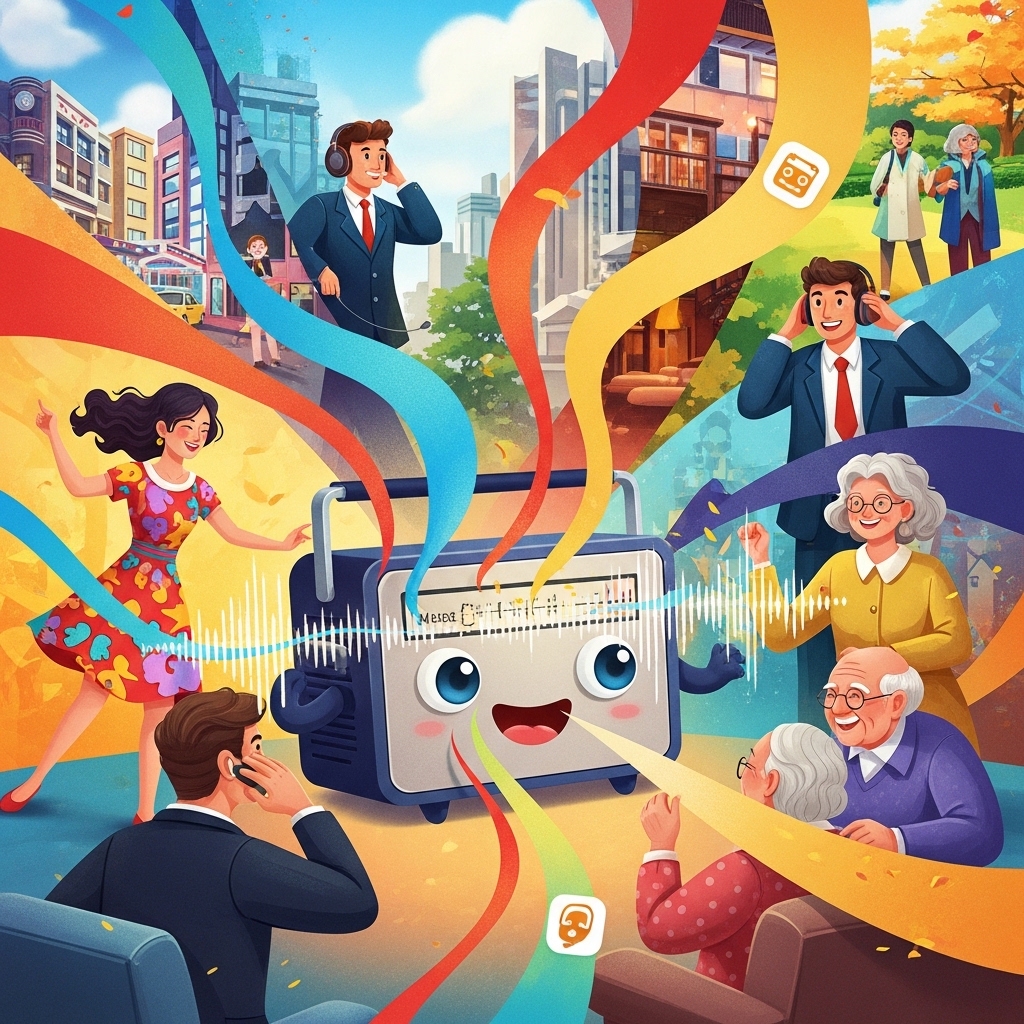
Radio apps represent the perfect marriage of traditional broadcasting’s communal nature with modern technology’s convenience and personalization. Whether you’re seeking music discovery, news analysis, sports coverage, or simple companionship, these applications deliver the world’s audio content directly to your pocket. By understanding their features, capabilities, and potential, you can transform how you consume audio content and stay connected to the voices, sounds, and stories that matter most to you. The golden age of radio isn’t behind us—it’s just getting started in digital form. 🎶
