
Anúncios
Turning 50 is not a limitation—it’s an invitation to move smarter, feel stronger, and reclaim the energy you thought was gone forever.
If you’ve noticed that getting out of a chair takes a bit more effort, or that your joints protest louder than they used to, you’re not alone. Mobility naturally declines with age, but here’s the good news: gentle, consistent movement can reverse much of that stiffness and bring back the vitality you deserve.
Anúncios
This article is designed specifically for you—someone over 50 who wants practical, safe exercises that fit into daily life without overwhelming your schedule or your body. Let’s explore how light movement can transform your mornings, your mood, and your overall well-being.
🌅 Why Mobility Matters More After 50
Mobility isn’t just about touching your toes or doing splits. It’s about maintaining the freedom to do what you love—gardening, playing with grandchildren, traveling, or simply walking through the grocery store without discomfort.
Anúncios
As we age, our muscles lose mass, joints become stiffer, and connective tissues lose elasticity. This process, called sarcopenia, begins around age 30 but accelerates after 50. The result? Reduced range of motion, increased fall risk, and a general feeling of being “stuck” in your own body.
But here’s the empowering truth: research shows that even modest physical activity can slow—and sometimes reverse—these changes. A study published in the Journal of Aging and Physical Activity found that adults over 50 who engaged in light resistance and flexibility training improved their functional mobility by up to 40% within just 12 weeks.
💪 The Energy-Mobility Connection You Need to Know
You might think exercise drains energy, but the opposite is true. Gentle movement actually boosts energy levels by improving circulation, enhancing oxygen delivery to cells, and stimulating mitochondrial function—the powerhouses of your cells.
When you move regularly, your body becomes more efficient at producing ATP, the molecule responsible for energy. This means less afternoon fatigue, better sleep quality, and a noticeable improvement in mental clarity.
Additionally, light exercise triggers the release of endorphins and serotonin, neurotransmitters that elevate mood and combat the lethargy often associated with sedentary lifestyles.
🧘 Gentle Exercises That Make a Real Difference
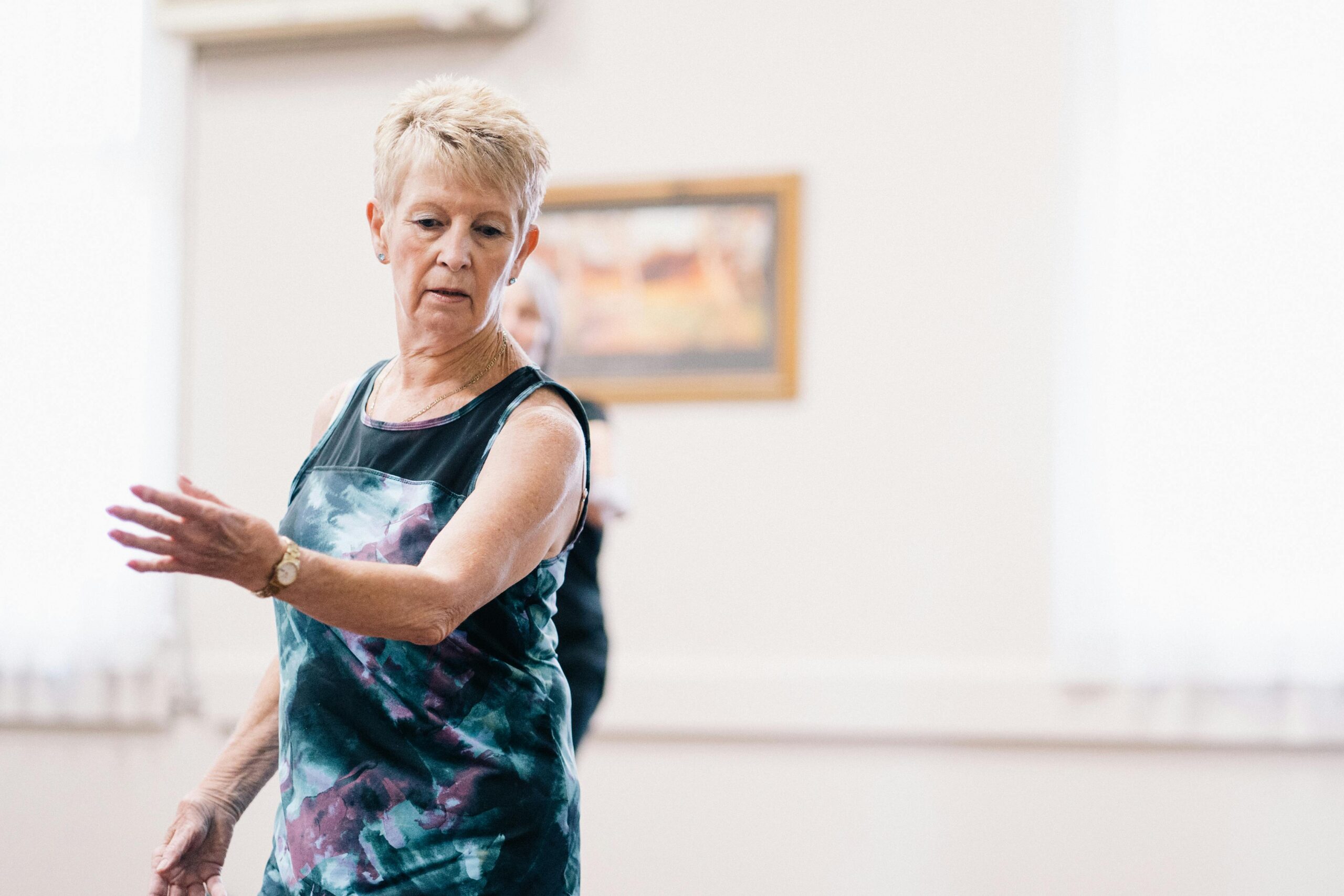


The exercises below are specifically chosen for their low impact, high benefit nature. They require no special equipment, can be done at home, and are safe for most people over 50. Always consult your healthcare provider before starting any new exercise routine, especially if you have chronic conditions.
✨ Seated Spinal Twist
This exercise improves spinal mobility, aids digestion, and releases tension in the back and shoulders.
Sit on a sturdy chair with your feet flat on the floor. Place your right hand on the back of the chair and your left hand on your right knee. Gently twist your torso to the right, looking over your shoulder. Hold for 15-20 seconds, breathing deeply. Repeat on the other side.
Perform this 3 times per side, ideally in the morning or after prolonged sitting.
✨ Ankle Circles
Ankle mobility is crucial for balance and fall prevention. This simple move increases blood flow and reduces stiffness.
Sit or stand (holding onto a wall for balance). Lift one foot slightly off the ground and rotate your ankle in a circular motion—10 circles clockwise, then 10 counterclockwise. Switch feet.
This exercise is perfect while watching TV or during a phone call.
✨ Wall Push-Ups
Build upper body strength without the strain of traditional push-ups.
Stand about two feet away from a wall, feet hip-width apart. Place your palms flat against the wall at shoulder height. Slowly bend your elbows and lean toward the wall, then push back to the starting position. Perform 10-15 repetitions.
This strengthens your chest, shoulders, and triceps while improving functional pushing strength.
✨ Heel-to-Toe Walk
This classic balance exercise improves coordination and strengthens the muscles that stabilize your ankles and hips.
Stand tall and place one foot directly in front of the other, heel touching toe. Walk forward in a straight line for 20 steps. Use a wall or counter for support if needed.
Practice this daily to enhance your proprioception—your body’s awareness of its position in space.
✨ Cat-Cow Stretch
A favorite from yoga, this move increases spinal flexibility and relieves back pain.
Get on your hands and knees, with wrists under shoulders and knees under hips. Inhale as you arch your back, lifting your head and tailbone (Cow). Exhale as you round your spine, tucking your chin and pelvis (Cat). Repeat 10 times, moving slowly and mindfully.
This exercise is especially beneficial first thing in the morning to awaken your spine.
🕐 How to Build a Sustainable Routine
Consistency beats intensity every time, especially after 50. Instead of aiming for long, exhausting sessions, focus on short, frequent movement breaks throughout your day.
Start with just 5 minutes each morning. Choose two or three exercises from the list above and perform them gently. As your body adapts, gradually increase the duration or add new movements.
Set reminders on your phone to move every hour. Even standing up, stretching your arms overhead, or walking around your home counts as valuable activity.
Pair your exercises with existing habits. For example, do ankle circles while your coffee brews, or practice wall push-ups while waiting for dinner to cook. This technique, called habit stacking, makes new routines stick.
🛡️ Safety Tips You Shouldn’t Ignore
Listen to your body. Mild discomfort during a stretch is normal, but sharp pain is a red flag. Stop immediately if something feels wrong.
Warm up before exercising. A few minutes of gentle marching in place or arm circles increases blood flow and prepares your muscles.
Stay hydrated. Dehydration reduces joint lubrication and increases injury risk, especially in older adults.
Wear supportive footwear. Proper shoes with good arch support and non-slip soles prevent falls and provide stability during standing exercises.
Modify as needed. If balance is an issue, always use a chair or wall for support. There’s no shame in adapting exercises to fit your current abilities.
🌟 The Mental Health Bonus of Daily Movement
Physical benefits are only half the story. Regular gentle exercise profoundly impacts mental and emotional health, especially for those over 50.
Movement reduces cortisol, the stress hormone, while boosting brain-derived neurotrophic factor (BDNF), which supports neuron growth and cognitive function. Translation? You’ll feel calmer, think more clearly, and may even reduce your risk of cognitive decline.
A 2022 study in the American Journal of Geriatric Psychiatry found that older adults who engaged in light physical activity at least four times per week reported 30% fewer symptoms of depression and anxiety compared to their sedentary peers.
Additionally, establishing a movement routine gives you a sense of accomplishment and control—two powerful antidotes to the feelings of helplessness that sometimes accompany aging.
🥗 Supporting Your Mobility With Nutrition
Exercise and nutrition work hand in hand. Certain foods support joint health, reduce inflammation, and provide the energy your muscles need to function optimally.
Prioritize protein. Aim for at least 25-30 grams per meal to preserve muscle mass. Good sources include eggs, Greek yogurt, fish, chicken, beans, and tofu.
Embrace omega-3 fatty acids. Found in salmon, walnuts, flaxseeds, and chia seeds, omega-3s reduce joint inflammation and support brain health.
Load up on colorful vegetables. Antioxidants in berries, leafy greens, and bell peppers combat oxidative stress and protect your cells from aging.
Don’t forget vitamin D and calcium. These nutrients are essential for bone strength. Consider fortified dairy products, leafy greens, and sensible sun exposure.
📅 A Simple 7-Day Starter Plan
If you’re unsure where to begin, try this gentle week-long plan designed to ease you into a sustainable routine.
- Day 1: Seated spinal twist (3 times per side) + ankle circles (10 each direction, both feet)
- Day 2: Wall push-ups (10 reps) + cat-cow stretch (10 rounds)
- Day 3: Heel-to-toe walk (20 steps) + seated spinal twist (3 times per side)
- Day 4: Ankle circles + wall push-ups (increase to 12 reps if comfortable)
- Day 5: Cat-cow stretch + heel-to-toe walk (try 25 steps)
- Day 6: Combine all five exercises, 1 set each
- Day 7: Gentle walk around your neighborhood or home for 10 minutes
After completing this week, repeat the cycle or gradually add more repetitions and new movements as your confidence grows.
🎯 Real Stories, Real Results
Margaret, 62, from Ohio, started with just ankle circles and seated twists after years of avoiding exercise due to knee pain. Within a month, she noticed less stiffness in the mornings and could play with her grandchildren without discomfort. “I thought my active days were over,” she shared. “Now I feel like I’ve been given a second chance.”
Tom, 58, a retired teacher, incorporated wall push-ups and heel-to-toe walks into his daily routine. Six weeks later, his balance improved so much that he confidently returned to hiking—a hobby he’d abandoned after a fall two years prior.
These aren’t extraordinary people with special genetics. They’re everyday individuals who committed to small, consistent actions and reaped life-changing rewards.
🚀 Taking the First Step Today
The hardest part of any journey is the beginning. But here’s the beauty of gentle mobility exercises: you don’t need to be fit, flexible, or pain-free to start. You just need to be willing to try.
Set a timer for five minutes right now. Choose one exercise from this article and do it. Just one. That single action is a declaration that you’re taking control of your health and your future.
Tomorrow, do it again. And the next day. Before you know it, movement will become as natural as brushing your teeth—and the benefits will ripple through every area of your life.
🌈 Your Body Still Has So Much to Give
Age is not a prison sentence. It’s simply a new chapter with different rules and opportunities. The exercises outlined in this article are more than just movements—they’re tools for reclaiming independence, confidence, and joy.
Your body has carried you through decades of life. It deserves care, respect, and the chance to thrive. With gentle, consistent effort, you can reduce pain, increase energy, and move through your days with the grace and vitality you thought were lost.
So take that first step. Your future self—stronger, more mobile, and full of energy—is waiting for you on the other side. 💚
